.png)



Dealing with a toilet that won’t flush can be a real hassle, especially if you’re in a busy household. Fortunately, if your toilet isn’t clogged, there are several simple fixes you can try without calling a plumber. In this guide, we’ll walk you through practical steps on how to fix a toilet that won’t flush but isn’t clogged in Calgary. Let’s get started!
If your toilet isn’t flushing properly, but you’re sure it’s not clogged, the problem might lie within the tank itself. A common culprit is the flapper mechanism. Let’s take a closer look at how to diagnose and address issues with this essential part of your toilet.
The flapper is a rubber or plastic piece located at the bottom of the tank. Its job is to create a seal that holds water in the tank until you flush. When you press the flush handle, the flapper lifts, releasing water into the bowl. If the flapper isn’t working correctly, your toilet might not flush with enough power, or it might run constantly.
Here’s how to check if your flapper is doing its job:
Several things can go wrong with the flapper:
If you notice any of these issues, don’t worry! Replacing or adjusting the flapper is usually a simple and inexpensive fix. You can find replacement flappers at most hardware stores. If you’re not comfortable doing it yourself, My Calgary Plumber is always here to help.
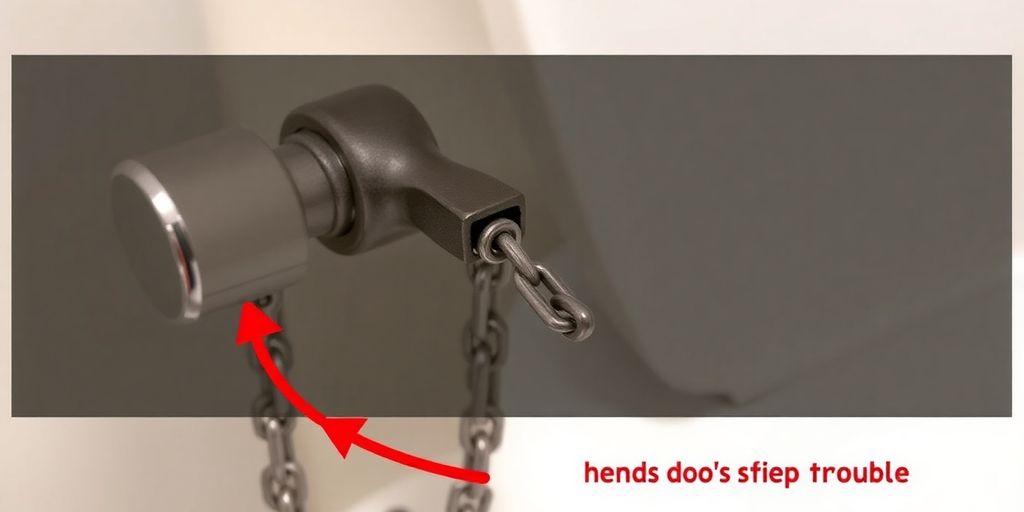
If your toilet isn’t flushing correctly, but you’re sure it’s not a clog, the problem might lie with the flush handle and chain. These components are responsible for initiating the flush, and if they’re not working correctly, you’ll be left with a stubbornly unflushed toilet. Let’s take a look at how to troubleshoot these parts.
First, take a look at the connections. Open the toilet tank and examine the flush handle and the chain that connects it to the flapper.
Loose connections are a common culprit. If you find any, tighten them with a screwdriver or pliers. If a part is broken, it will need to be replaced.
The chain’s length is important for a proper flush. If it’s too long, it might not lift the flapper high enough, resulting in a weak flush. If it’s too short, it could hold the flapper open, causing the toilet to run constantly.
A properly adjusted chain allows the flapper to open fully and then close completely, ensuring a full flush and preventing water waste.
Sometimes, the flush handle itself can be the problem. Over time, the handle can become worn, bent, or broken. If you’ve checked the connections and adjusted the chain, but the toilet still won’t flush, the handle might need to be replaced.
Replacing a flush handle is a relatively simple task. Simply remove the old handle and install the new one, making sure to connect the chain properly. If you’re not comfortable doing it yourself, My Calgary Plumber is always here to help.
If your toilet isn’t flushing properly, but you’re sure there’s no clog, the fill valve and water level are good places to investigate. These components are responsible for refilling the tank after a flush, and if they’re not working right, your toilet won’t have enough water to do its job.
The fill valve’s job is to refill the toilet tank after each flush. If it’s failing, the tank might not fill completely, or it might take a very long time. Here’s what to look for:
If you suspect a problem, try cleaning the fill valve first. You can often disassemble it and soak the parts in vinegar to remove mineral deposits. If that doesn’t work, replacing the fill valve is a relatively simple and inexpensive DIY project. Or, you can call My Calgary Plumber and we’ll take care of it for you.
The water level in your toilet tank is crucial for a good flush. If the water level is too low, there won’t be enough force to clear the bowl. Most toilets have a water level marking inside the tank.
Here’s how to adjust the water level:
It’s important to note that overfilling the tank can lead to water waste and potential leaks. Always stay within the recommended water level marking.
Sometimes, a simple cleaning is all your fill valve needs. Mineral buildup and debris can interfere with its operation. Here’s how to clean it:
If cleaning doesn’t improve the fill valve’s performance, it might be time to consider a replacement. And remember, My Calgary Plumber is always here to help if you’re not comfortable tackling this yourself.
Ever notice how sometimes your toilet acts like it’s trying to flush, but just… can’t? It might not be a clog. It could be an air trap. Basically, air gets stuck in the pipes, blocking the water from flowing properly. This can significantly reduce the flushing power of your toilet. It’s like trying to run with someone holding you back – the water just doesn’t have the momentum it needs.
So, how do you know if you’ve got an air trap? Here are a few things to look for:
Okay, you suspect an air trap. What now? Here are a few things you can try:
Dealing with plumbing issues can be frustrating. If you’re not comfortable tackling these problems yourself, don’t hesitate to reach out to a professional. It’s better to be safe than sorry, especially when it comes to your home’s plumbing system.
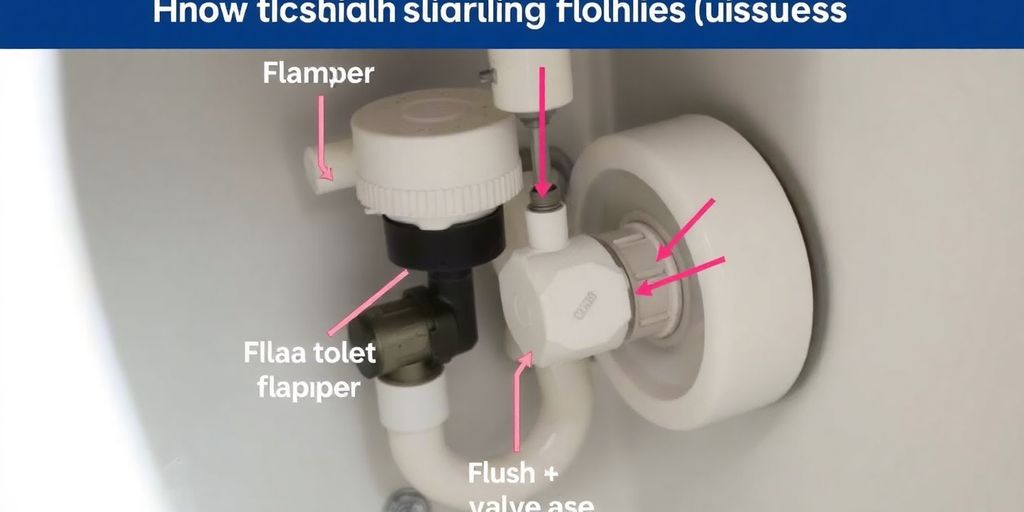
Sometimes, the issue isn’t as simple as a flapper or a chain. It might be something inside the tank itself that’s causing your toilet troubles. Let’s take a closer look at some of those components.
The flush valve is what releases water from the tank into the bowl when you flush. If it’s cracked or damaged, it won’t seal properly, leading to a weak or incomplete flush. Here’s what to do:
This might seem obvious, but it’s worth a look. Even a small crack in the tank can cause water to leak out, reducing the amount of water available for a proper flush. A cracked tank will need to be replaced.
All the components inside your toilet tank need to work together to create a tight seal. If any of these seals are compromised, you’ll lose water pressure, resulting in a weak flush.
Maintaining these seals is key to a properly functioning toilet. Regular inspection and timely replacement of worn parts can prevent a lot of headaches down the road.
Sometimes, the issue isn’t inside the toilet itself, but rather with the water supply feeding it. Before you get too deep into internal repairs, it’s wise to check the basics.
The first thing you should do is locate the toilet’s shut-off valve, usually found on the wall behind the toilet. Make sure this valve is fully open. It sounds simple, but sometimes these valves get partially closed accidentally, restricting water flow and preventing a proper flush. Try turning the valve counterclockwise as far as it will go. If it was partially closed, this might solve your problem immediately.
Next, take a look at the supply line connecting the shut-off valve to the toilet tank. Check for any signs of leaks or damage. Even a small leak can reduce the water pressure reaching the tank. If you notice any moisture or corrosion, it might be time to replace the supply line. A new supply line is an inexpensive fix that can make a big difference.
If the shut-off valve is open and the supply line looks good, the problem might be with your home’s overall water pressure. Low water pressure throughout your house can affect the toilet’s ability to flush effectively. Here are a few things to consider:
If you suspect low water pressure is the issue, it’s best to consult with a professional plumber. They can diagnose the problem and recommend solutions, such as installing a pressure booster.
Sometimes, despite your best efforts, a toilet refuses to flush properly. It’s frustrating, I know. You’ve checked the flapper, jiggled the handle, and maybe even peeked into the tank with a flashlight. But the problem persists. That’s when it’s time to consider calling in the pros at My Calgary Plumber. We’re here to help when DIY turns into a plumbing puzzle.
There are a few telltale signs that indicate it’s time to bring in a professional plumber. Don’t wait until a small issue becomes a major headache. Here’s when to make the call:
Calling a plumber isn’t just about fixing the immediate problem; it’s about ensuring the long-term health of your plumbing system. Here’s what you gain from a professional assessment:
Ignoring a toilet issue can lead to bigger, more expensive problems down the road. A professional assessment can catch minor issues before they turn into major emergencies.
While you might need a plumber now, there are things you can do to prevent future toilet troubles. Regular maintenance can save you from unexpected plumbing emergencies. Here are a few tips:
Don’t hesitate to call My Calgary Plumber at (403) 640-7789. We’re available 24/7 to handle all your plumbing needs. We’re here to help keep your plumbing system running smoothly and efficiently.
If you’re feeling overwhelmed or unsure about your plumbing issues, don’t hesitate to reach out for help. Professional plumbers have the skills and experience to handle any problem safely and effectively. Visit our website today to learn more about how we can assist you with your plumbing needs!
So, there you have it! Fixing a toilet that won’t flush but isn’t clogged isn’t as daunting as it seems. With just a few simple checks and adjustments, you can get your toilet back to working order without needing to call in a plumber. Remember to check the flapper, inspect the chain, and ensure the water level is right. If you run into trouble, don’t hesitate to reach out to a professional. They can help you avoid bigger issues down the line. Now, go ahead and tackle that toilet—you’ve got this!
Start by looking at the flapper in the tank. It controls the water flow when you flush. If it’s not working right, the toilet won’t flush.
Check if the handle feels loose or if it doesn’t move the chain properly. Sometimes, you may just need to tighten the connections.
If the water level is low, the toilet may not flush fully. You can adjust the fill valve to make sure the tank fills to the right level.
Air traps are pockets of air in the plumbing that can stop water from flowing properly. Identifying and fixing these can help your toilet flush better.
If you’ve tried fixing the toilet and it still won’t flush, or if you see leaks or hear strange noises, it’s a good idea to call a plumber.
Regular maintenance is key. Make sure everyone knows what can and can’t be flushed, and consider having a plumber check your toilet periodically.