.png)



If you’ve found yourself asking, “Why Is My Toilet Losing Water Overnight?” you’re not alone. Many homeowners face this frustrating issue, and it can stem from a variety of reasons. Low water levels in your toilet bowl might seem like a minor inconvenience, but they can signal larger plumbing problems. Let’s break down the common causes, the impact of low water levels, and how to fix the issue so your toilet can function properly again.
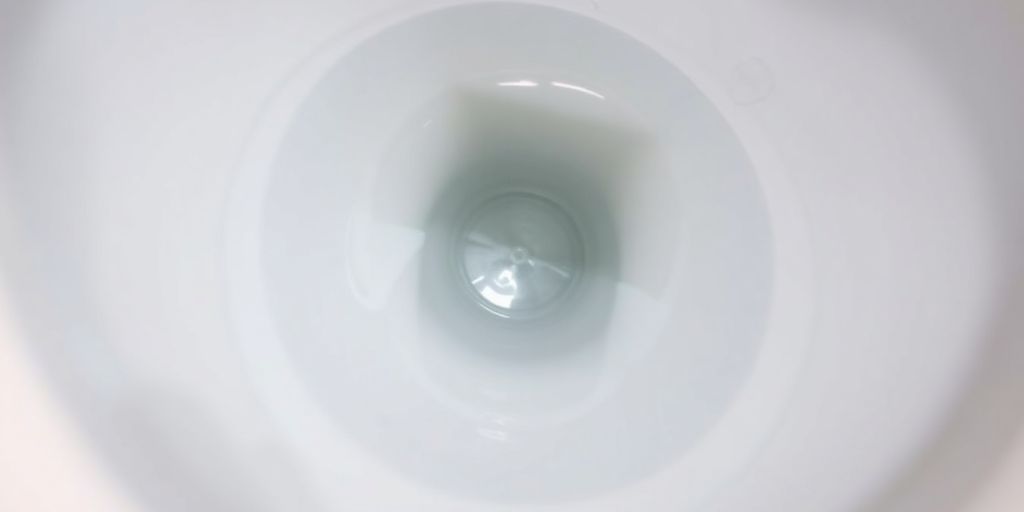
Is the water level in your toilet bowl lower than usual? It might seem like a small thing, but a consistently low water level can actually signal a bigger plumbing issue. Let’s explore some of the common reasons why this might be happening in your home. Ignoring it could lead to bigger problems down the road, so let’s get to the bottom of it!
One of the most frequent causes of low toilet bowl water is a partial obstruction in your drain pipes. It’s not always a complete blockage, but even a small buildup of debris can restrict the flow of water and cause the bowl to empty more than it should. This can be due to:
Addressing pipe obstructions promptly is important. If left unchecked, they can lead to complete blockages, potentially causing messy and costly backups.
Even a small, slow leak can cause a noticeable drop in your toilet bowl’s water level over time. Check around the base of the toilet for any signs of water, as this could indicate a problem with the wax ring seal. Other potential leak sources include:
The fill valve is the mechanism inside your toilet tank that refills the tank (and subsequently the bowl) after each flush. If this valve isn’t working correctly, it might not be filling the tank to the proper level, resulting in a lower water level in the bowl. Common fill valve problems include:
Your toilet’s vent pipe allows air to enter the drain system, which helps maintain proper water pressure and flow. If this vent pipe becomes blocked, it can create a vacuum that siphons water out of the toilet bowl. Signs of a vent pipe blockage include:
So, you’ve noticed the water level in your toilet bowl is lower than usual. It might seem like a minor thing, but trust me, it can lead to some pretty unpleasant situations. Let’s talk about why keeping that water level right where it should be is actually pretty important.
Low water levels can seriously compromise your bathroom’s hygiene. The water in your toilet bowl acts as a barrier, preventing nasty odors and bacteria from escaping the sewer line. When the water level drops, that barrier weakens, and things can get pretty gross, pretty fast. It’s not just about the smell; it’s about keeping your bathroom a clean and healthy space for you and your family. Nobody wants a toilet that’s basically a breeding ground for germs.
One of the most immediate and noticeable effects of low toilet bowl water is the increase in unpleasant odors. The water acts as a seal, preventing sewer gases from entering your bathroom. When that water level is low, those gases can seep through, making your bathroom smell like, well, a sewer. Air fresheners can only do so much; addressing the root cause is the real solution. It’s like trying to cover up a skunk smell with perfume – it just doesn’t work.
While it might not be immediately obvious, consistently low water levels can actually lead to damage over time. Here’s how:
Ignoring low water levels can lead to bigger, more expensive problems down the road. Addressing the issue early can save you a lot of hassle and money in the long run. Think of it as preventative maintenance for your plumbing system.
Alright, so you’ve noticed your toilet bowl water level is looking a little low. Before you panic and call a plumber, there are a few things you can try yourself. Let’s get into some DIY fixes that might save you time and money. Remember, if you’re not comfortable with any of these steps, it’s always best to call a professional like My Calgary Plumber. We’re here to help!
The fill valve is what controls how much water goes into your toilet tank after you flush. Adjusting it can often solve the problem of low water levels in the bowl. Here’s how to tackle it:
If your fill valve is old or damaged, it might be time to replace it. They’re relatively inexpensive and easy to install. You can find them at most hardware stores.
Leaks, even small ones, can cause your toilet bowl water level to drop overnight. Here’s how to hunt them down:
Sometimes, a partial clog can cause a siphoning effect, pulling water out of the bowl. Here’s how to clear it:
If you’ve tried these DIY fixes and your toilet bowl water level is still low, it might be time to call in the pros. My Calgary Plumber is always ready to help with more complex plumbing issues.
Maintaining your toilet might not be the most glamorous task, but trust me, it’s worth it. Think of it like taking care of your car – a little attention now can save you from big headaches (and expenses) later. Regular maintenance keeps things running smoothly and prevents those annoying low water level issues from popping up in the first place. Let’s get into why this is so important.
Make it a habit to check your toilet regularly. I’m talking about a quick peek every month or so. Look for any signs of leaks around the base of the toilet or the tank. Listen for any unusual sounds, like the toilet running when it shouldn’t be. Catching these small problems early can prevent them from turning into major plumbing disasters. Check the fill valve, supply valve, flush valve, and supply line twice a year. A little observation goes a long way.
Keeping your toilet clean isn’t just about appearances; it’s also about function. Mineral buildup and grime can mess with the moving parts inside the tank, leading to leaks and other problems. Use a toilet bowl cleaner regularly to prevent buildup. Consider using enzyme-based cleaners monthly to help prevent blockages in sewer lines. These cleaners are designed to break down organic matter, keeping your pipes clear and your toilet working efficiently. Plus, a clean toilet is just more pleasant to use, right?
Okay, so you’ve done your best with the DIY approach, but sometimes, you just need to call in the pros. If you’re dealing with persistent low water levels, frequent clogs, or any signs of a serious plumbing issue (like water damage), it’s time to call My Calgary Plumber. Don’t wait until the problem gets worse and more expensive to fix. We have the tools and experience to diagnose and resolve even the most complex toilet problems.
Think of regular toilet maintenance as an investment in your home’s plumbing system. It’s a small effort that can pay off big time in terms of preventing costly repairs and ensuring your toilet functions properly for years to come. Plus, it gives you peace of mind knowing that you’re doing everything you can to keep your plumbing in top shape.
Sometimes, the mystery of a toilet losing water overnight goes beyond simple fixes. When basic troubleshooting doesn’t solve the problem, it’s time to consider more complex plumbing issues that might be at play. These situations often require a professional plumber to diagnose and resolve.
A partially blocked or damaged sewer line can cause a toilet to lose water. The blockage creates a vacuum effect, siphoning water from the toilet bowl. This is often accompanied by other signs, such as slow-draining sinks or gurgling sounds from your drains.
Sewer line issues can be tricky to diagnose without specialized equipment. A camera inspection can help pinpoint the exact location and nature of the problem, whether it’s a root intrusion, a collapsed pipe, or a buildup of debris.
While it might sound far-fetched, shifts in your home’s foundation can impact your plumbing. Even slight movements can cause pipes to crack or become misaligned, leading to leaks that affect the toilet bowl water level. Look for cracks in walls or floors near the bathroom as potential indicators.
Sometimes, the leak isn’t obvious. It could be hidden within walls or under floors, making it difficult to detect. Professional plumbers have the tools and experience to find these elusive leaks, using techniques like pressure testing and thermal imaging to locate the source of the water loss. If you suspect a hidden leak, it’s best to call in the experts to prevent further damage to your home.
It’s far better to stop problems before they start, especially when it comes to your toilet. Nobody wants to deal with a constantly running toilet or a mysteriously low water level. By taking a few proactive steps, you can keep your toilet working properly and avoid those annoying (and potentially costly) issues. Let’s explore some simple strategies to keep your toilet in top shape.
Consider upgrading your toilet with water-saving devices. These aren’t just good for the environment; they can also save you money on your water bill. Dual-flush converters are a great option, allowing you to use less water for liquid waste. You might also look into adjustable flappers that let you control how much water is used per flush. These small changes can make a big difference in the long run.
Make it a habit to check your toilet regularly. A quick inspection every few months can catch small problems before they become big headaches. Look for leaks around the base of the toilet, listen for unusual sounds, and make sure all the parts inside the tank are working correctly. Regular checks can save you from unexpected plumbing emergencies.
Regular maintenance checks are important. It’s a good idea to check the toilet at least every 3 months. This will help you catch any problems early on, before they become major issues.
Make sure everyone in your household knows what can and cannot be flushed down the toilet. This might seem obvious, but it’s a common cause of clogs and other plumbing problems. Things like feminine hygiene products, diapers, and excessive amounts of toilet paper can all cause issues. A little education can go a long way in preventing future water loss and plumbing headaches.
Here’s a quick list of things to avoid flushing:
Sometimes, a toilet that’s losing water isn’t just a minor annoyance; it can be a sign of bigger plumbing issues lurking beneath the surface. Ignoring these signs could lead to costly repairs down the road. It’s like ignoring that weird noise your car is making – it might go away, but it could also mean your engine is about to give out. Let’s look at some red flags that suggest it’s time to call in a professional, like us at My Calgary Plumber.
Is your toilet making noises it shouldn’t? Gurgling, whistling, or constant running sounds are not normal. Gurgling could indicate a problem with your vent pipe, meaning your plumbing system isn’t breathing properly. Whistling often points to issues with the fill valve, and a constantly running toilet is a classic sign of a faulty flapper or fill valve. These sounds might seem harmless, but they can be symptoms of more significant problems within your plumbing system. Don’t just turn up the TV to drown them out; investigate!
We all get the occasional clog, but if you’re plunging your toilet multiple times a week, that’s a problem. Frequent clogs can indicate a blockage further down the drain line or even in the main sewer line. It could be caused by tree roots infiltrating the pipes, a buildup of debris, or even a collapsed section of pipe. Ignoring frequent clogs can lead to sewage backups, which are messy, unsanitary, and expensive to clean up.
Water where it shouldn’t be is always a bad sign. Check around the base of your toilet for any signs of leaks, water stains on the ceiling below, or damp spots on the walls. Even small leaks can cause significant damage over time, leading to mold growth, structural problems, and costly repairs.
If you notice any of these signs, it’s best to call a professional plumber sooner rather than later. Addressing plumbing problems early can save you a lot of money and headaches in the long run. We at My Calgary Plumber are always here to help!
So, if your toilet is losing water overnight, don’t just shrug it off. It’s not just a minor annoyance; it could signal a bigger plumbing issue. Whether it’s a leak, a problem with the fill valve, or something else, figuring it out sooner rather than later can save you from more headaches down the road. Take a little time to check things out or call in a pro if you need to. Keeping your toilet in good shape is key to a smooth-running home. Trust me, you’ll be glad you did!
There are several reasons your toilet might be losing water. It could be due to a leak, problems with the fill valve, or even evaporation.
You can check for leaks by looking for water around the base of the toilet or by adding food coloring to the tank. If the color appears in the bowl, you have a leak.
If the fill valve is not working, it may need to be adjusted or replaced. You can do this yourself, or you may want to call a plumber for help.
Signs of a clogged toilet include slow draining, gurgling sounds, or water rising in the bowl when you flush.
It’s a good idea to check your toilet every few months for leaks or other issues to keep it running well.
Yes, many toilet leaks can be fixed with simple tools and parts from a hardware store. If you’re not comfortable, though, it’s best to call a plumber.