.png)




If you’ve ever heard your toilet flush on its own, you might have thought it was haunted. But don’t worry—it’s just a plumbing issue known as ghost flushing. This annoying problem not only disrupts your peace but can also waste a lot of water. In this article, we’ll explore what causes these phantom flushes, how to identify the problem, and what you can do to fix it. So, if you’ve been wondering, “Why does my toilet flush on its own? (Phantom Flushing Explained)”—keep reading!
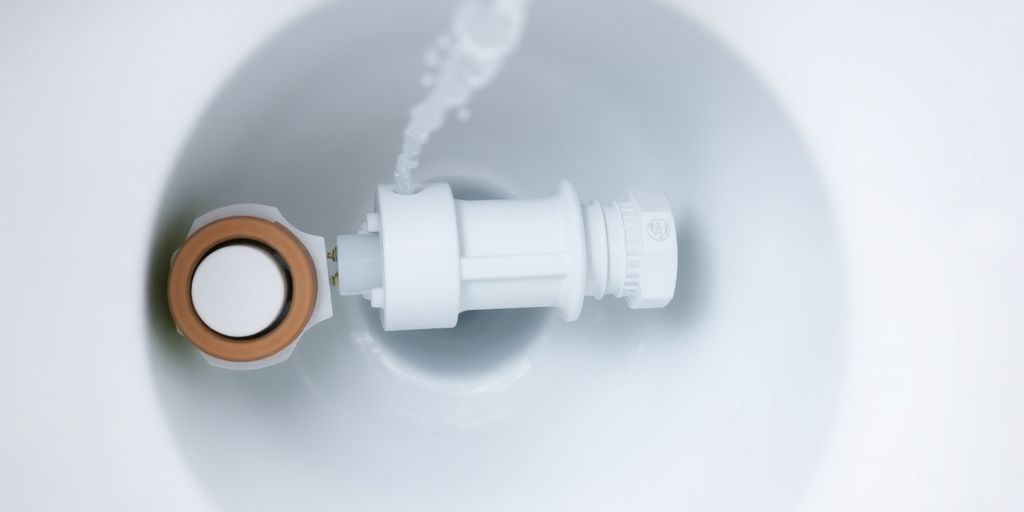
Ghost flushing, also known as phantom flushing, is when your toilet seems to flush on its own, without anyone actually initiating it. It’s a common issue, and while it might seem like something spooky is going on, the reality is usually a simple plumbing problem. The toilet tank refills independently, causing the fill valve to activate periodically. This happens because water is leaking from the tank into the bowl.
Ghost flushing is more common than you might think. Many homeowners experience this at some point. It often goes unnoticed for a while, which can lead to wasted water and higher utility bills. The older your plumbing fixtures are, the more likely you are to encounter this issue. Regular maintenance can help prevent it, but it’s good to know what to look for.
While the idea of a toilet flushing on its own might conjure up images of ghosts or other supernatural phenomena, rest assured that it’s almost always a mechanical issue. There’s no need to call a paranormal investigator! The most common causes are related to the toilet’s components wearing out or malfunctioning. Understanding this can save you from unnecessary worry and help you focus on practical solutions. If you hear your toilet running at odd times, it’s time to investigate the toilet repair and not the supernatural.
Ghost flushing isn’t a sign of paranormal activity. It’s a plumbing issue that can be resolved with a bit of troubleshooting or a call to a professional plumber. Don’t let it spook you; it’s usually an easy fix.
Phantom flushing can be a real head-scratcher. You hear your toilet running even when no one’s used it. It’s not a ghost (probably!), but it is a sign something’s amiss with your toilet’s inner workings. Let’s break down the usual suspects behind this watery mystery.
The flapper valve is often the main culprit behind phantom flushing. This rubber or silicone piece sits at the bottom of the tank and creates a seal to prevent water from leaking into the bowl. Over time, flappers can become brittle, warped, or covered in mineral deposits, preventing a tight seal. When this happens, water slowly seeps into the bowl, triggering the fill valve to kick in and refill the tank – hence, the phantom flush. It’s a pretty common issue, especially in older toilets. You might need a toilet repair if this is the case.
Cracks in the toilet tank, even hairline ones, can lead to phantom flushing. These cracks allow water to escape slowly but surely, causing the tank to refill intermittently. Sometimes the crack is obvious, but other times it can be hidden, especially if it’s on the back of the tank near where it connects to the wall. Temperature changes can worsen cracks, so what starts as a tiny leak can become a bigger problem over time. Keep an eye out for any dampness around the base of the tank. If you see any, it’s time to investigate further. A cracked tank might mean it’s time for a new toilet.
The fill valve’s job is to refill the tank after a flush and then shut off the water supply once it reaches the correct level. If the fill valve malfunctions, it might not shut off completely, causing a continuous trickle of water into the tank. This constant trickle can then trigger the flushing mechanism periodically. Debris or mineral buildup can also interfere with the fill valve’s operation. Sometimes, adjusting the float can solve the problem, but other times, the entire fill valve needs replacing. It’s worth checking this component if you’re experiencing phantom flushing, especially if you also notice unusual toilet noises.
Phantom flushing isn’t just annoying; it’s also wasteful. All that extra water adds up on your water bill and puts unnecessary strain on your plumbing system. Addressing the issue promptly can save you money and prevent further damage down the line.
So, you suspect your toilet is ghost flushing? Good call. Before you start tearing things apart, let’s figure out exactly what’s going on. A little detective work can save you time and money. It’s all about observing and testing.
The flapper is usually the main suspect in a ghost flushing case. It’s that rubber or silicone piece at the bottom of the tank that lifts to let water into the bowl. Over time, it can get worn out, cracked, or covered in mineral deposits, preventing a tight seal. Here’s what to look for:
Okay, let’s get a little more hands-on. Here’s a simple test to see if you have an internal leak:
If the water level drops, the flapper is likely the culprit. However, it could also be a crack in the tank itself, though that’s less common.
Sometimes, the problem isn’t inside the tank at all. External leaks can also cause your toilet to flush on its own, especially if they affect the water pressure in your system. Here’s what to check:
So, you’ve identified that your toilet is indeed ghost flushing. Now what? Don’t worry; most of the time, it’s a pretty straightforward fix. Here’s a breakdown of how to tackle it.
Before you call in a professional, there are several things you can try yourself. First, turn off the water supply to the toilet. This is usually a valve located behind the toilet near the floor. This will prevent any further water waste while you’re working. Then:
If you’re comfortable, you can also try the dye test. Add a few drops of food coloring to the toilet tank and wait about 20-30 minutes without flushing. If color appears in the bowl, it indicates a leak from the tank.
Sometimes, troubleshooting isn’t enough, and you’ll need to replace parts. Here’s when it’s a good idea to swap out components:
While many phantom flush issues can be resolved with DIY fixes, there are times when it’s best to call a professional plumber. If you’ve tried the troubleshooting steps and replaced components without success, there might be a more complex issue at play. Also, if you’re uncomfortable working with plumbing or dealing with water supply lines, it’s always best to err on the side of caution and call in a pro. A plumber can diagnose the problem accurately and ensure that the repairs are done correctly, preventing further damage or water waste. Don’t hesitate to contact My Calgary Plumber for assistance. Ignoring the problem can lead to increased utility bills and potential long-term plumbing damage.
Ghost flushing can be a nuisance, but with a few preventative measures, you can keep your toilet working smoothly and avoid those unexpected flushes. It’s all about staying ahead of potential problems and nipping them in the bud before they turn into bigger issues. Let’s explore some simple steps you can take.
Regular maintenance is key to preventing ghost flushing. Think of it as a routine check-up for your toilet. Here’s what you should do:
Regular maintenance not only prevents ghost flushing but also extends the lifespan of your toilet and its components. It’s a small investment of time that can save you money and hassle in the long run.
Maintaining the correct water level in your toilet tank is crucial. If the water level is too high, it can cause the fill valve to malfunction and lead to ghost flushing. Here’s how to adjust it:
Fluctuations in water pressure can sometimes contribute to ghost flushing. Sudden changes in pressure can cause the fill valve to open unexpectedly, leading to a phantom flush. Here’s what you can do:
Ghost flushing might seem like a minor annoyance, but the cumulative effect of these small leaks can lead to significant water waste. Think about it: each time your toilet refills due to a phantom flush, it’s using water unnecessarily. Over days, weeks, and months, this wasted water adds up, impacting our overall water resources. This is especially concerning in areas facing water scarcity or drought conditions.
Beyond the environmental impact, ghost flushing directly affects your wallet. All that wasted water translates into higher water bills. You’re essentially paying for water that’s going straight down the drain without serving any purpose. It’s like throwing money away, drip by drip. Addressing phantom flushes promptly can lead to noticeable savings on your monthly utility expenses.
While the immediate concerns of ghost flushing are water waste and increased bills, the long-term effects on your plumbing system shouldn’t be ignored. Constant leaks and refills can put extra strain on various components, potentially leading to premature wear and tear. This can result in more extensive and costly repairs down the line. Furthermore, the continuous presence of water where it shouldn’t be can encourage the growth of mold and mildew, creating additional problems within your bathroom. Regular maintenance and timely repairs can prevent bioaerosol emissions and protect your plumbing infrastructure from lasting damage.
Ignoring ghost flushing can lead to a cascade of problems, from higher bills to significant plumbing issues. Addressing the root cause promptly not only saves water and money but also safeguards your home’s plumbing system for the long haul.
While many causes of phantom flushing can be addressed with DIY solutions, there are times when calling a professional plumber is the most sensible course of action. Don’t hesitate to reach out – it could save you money and stress in the long run.
Knowing when to throw in the towel and call for professional help is key. Here are some telltale signs that the problem is beyond a simple fix:
Before you call a plumber, it’s helpful to have a general idea of what to expect in terms of cost. Toilet repair costs can vary depending on the complexity of the issue, the parts needed, and the plumber’s hourly rate.
Here’s a general idea:
Keep in mind that these are just estimates, and the actual cost may vary. It’s always a good idea to get a quote from a few different plumbers before making a decision.
Selecting the right plumber is crucial for ensuring quality work and fair pricing. Here are some tips for finding a reliable plumbing service:
Don’t let a phantom flushing toilet haunt you! If you’re unsure about tackling the problem yourself, call My Calgary Plumber today. We’ll diagnose the issue and provide a reliable, affordable solution. Ignoring the problem could lead to bigger issues, like a blocked drain vent, so it’s best to get it checked out sooner rather than later.
If you’re feeling overwhelmed or unsure about your plumbing issues, it’s time to get help from a professional. Don’t wait until a small problem turns into a big mess. Visit our website today to learn more about how we can assist you with your plumbing needs!
So, there you have it! If your toilet is flushing on its own, it’s not a ghostly prank but a plumbing issue that needs attention. Most of the time, it’s just a worn-out flapper or a small leak causing the problem. You can do a quick check yourself with some food coloring to see if that’s the culprit. If you find that the flapper is fine, then it might be time to call in a plumber for a more thorough inspection. Ignoring the issue can lead to wasted water and higher bills, so it’s best to tackle it sooner rather than later. Remember, a little maintenance goes a long way in keeping your bathroom drama-free!
Ghost flushing is when your toilet flushes by itself without anyone pressing the handle. This usually happens because water is leaking from the tank into the bowl.
Your toilet might flush on its own due to a faulty flapper valve, a crack in the toilet tank, or issues with the fill valve.
You can check for leaks by putting food coloring in the tank. If the water in the bowl changes color after 30 minutes, you have a leak.
Yes, ghost flushing is a common issue that many people experience with their toilets.
Yes, you can often fix ghost flushing by replacing the flapper valve or adjusting the fill valve. If you’re unsure, you may want to call a plumber.
To prevent ghost flushing, regularly check and maintain your toilet’s parts, adjust water levels, and monitor for leaks.