.png)




Sump pumps are vital for keeping your basement dry and free from water damage. However, if you notice your sump pump frequently turning on and off, it can be frustrating and concerning. This issue, often referred to as “short cycling,” can lead to increased wear on the pump and higher energy bills.
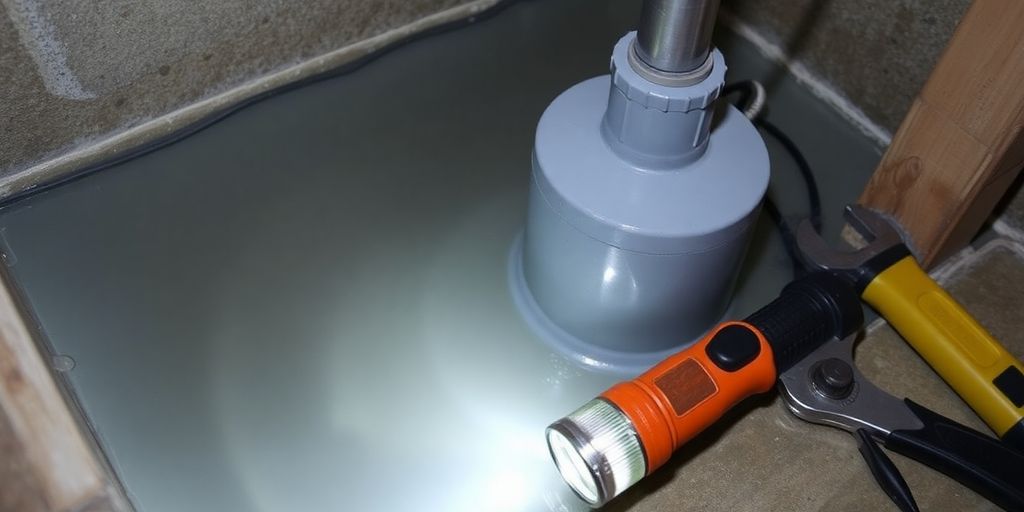
If you’re dealing with a sump pump that seems to have a mind of its own, constantly switching on and off, it’s important to first understand how these systems are supposed to work. Let’s break down the basics so you can better diagnose the problem.
Most residential sump pumps are submersible, meaning they sit inside a pit (the sump pit) typically located in the lowest part of your basement or crawl space. The primary job of a sump pump is to remove excess water that accumulates around your home’s foundation, preventing flooding and water damage. When water levels rise in the pit, a float switch activates the pump, which then discharges the water away from your home through a discharge pipe.
Understanding the parts of your sump pump can help you troubleshoot issues more effectively. Here are the main components:
Like any mechanical system, your sump pump needs regular attention to function properly. Neglecting maintenance can lead to a variety of problems, including:
Regular maintenance, such as cleaning the pit and inspecting the components, can help prevent many common issues and extend the life of your sump pump. It’s a small investment that can save you from costly repairs or replacements down the road.
If your sump pump is turning on and off more frequently than usual, it’s a sign something isn’t quite right. This rapid cycling, also known as short cycling, puts unnecessary strain on the pump, shortening its lifespan and potentially leading to costly repairs or even a complete breakdown. Let’s explore some of the common culprits behind this issue.
The float switch is what tells your sump pump when to turn on and off. It’s designed to move freely with the water level in the sump pit. If the float switch gets stuck, tangled, or obstructed, it can cause the pump to cycle rapidly or even run continuously. Imagine it like a light switch that’s jammed – it can’t properly signal the pump to stop.
Your sump pump has a check valve on the discharge pipe. This valve is designed to prevent water that has already been pumped out from flowing back into the sump pit. If the check valve fails, the water flows back, causing the pump to turn on again shortly after it has just finished pumping. This leads to frequent cycling and can significantly reduce the pump’s efficiency.
A faulty check valve is like a revolving door for water. It lets the water out, but then it swings right back in, forcing the pump to work overtime.
The discharge pipe carries water away from your home’s foundation. If this pipe becomes blocked or has issues, it can cause water to back up into the sump pit, triggering the pump to cycle more often. Common problems include:
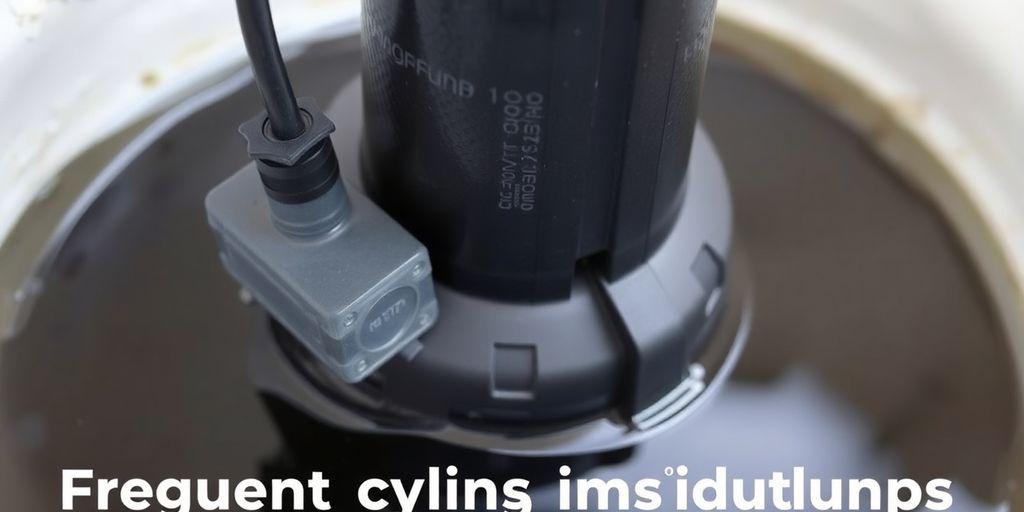
If your sump pump is acting up, turning on and off way too often, the float switch is a prime suspect. It’s the part that tells the pump when to kick in and when to stop, so when it malfunctions, it can cause all sorts of issues. Let’s take a closer look at how to spot and deal with float switch problems.
One of the most common signs is that the sump pump runs constantly or cycles on and off rapidly. This usually means the float switch is stuck in either the ‘on’ or ‘off’ position. Here are a few things to watch out for:
Alright, time to get your hands a little dirty. Here’s how to check the float switch:
If you’ve determined that the float switch is indeed the problem, replacing it is often the best solution. You can buy a replacement switch at most hardware stores or online. Here’s a general guide:
If you’re not comfortable working with electrical components or plumbing, it’s always best to call a professional. A qualified plumber can quickly diagnose the problem and replace the float switch safely and efficiently.
Replacing the float switch can often resolve the issue of a sump pump that keeps turning on and off. However, if the problem persists, there may be other underlying causes, such as a faulty check valve or a clogged discharge pipe. In such cases, it’s best to consult with a professional plumber to diagnose and address the root cause of the problem.
If your sump pump is turning on and off too often, the check valve might be the culprit. Let’s take a closer look at how to evaluate its functionality.
The check valve is a simple but important part of your sump pump system. It’s a one-way valve installed on the discharge pipe. When the sump pump pushes water out, the check valve opens, allowing the water to flow away from your home. When the pump stops, the check valve should close, preventing water from flowing back into the sump pit. This prevents the pump from having to re-pump the same water, which can cause it to cycle on and off frequently.
If the check valve isn’t working correctly, you might notice a few things:
If you observe these signs, it’s time to inspect the check valve.
Replacing a check valve is a straightforward task you can usually handle yourself. Here’s a general guide:
If you’re uncomfortable with any of these steps, or if you encounter any difficulties, don’t hesitate to call My Calgary Plumber. We’re here to help ensure your sump pump system is working efficiently and reliably.
Your sump pump’s discharge pipe is responsible for carrying water away from your home’s foundation. If this pipe becomes blocked or damaged, it can cause your sump pump to work harder than it needs to, leading to that annoying on-off cycle. Let’s take a look at some common problems and how to tackle them.
Several issues can plague your discharge pipe. Here are a few of the most frequent culprits:
Clearing a clog in your sump pump discharge pipe can often be done yourself. Here’s a step-by-step approach:
If you’re uncomfortable with any of these steps, or if the clog is particularly stubborn, it’s always best to call a professional plumber. We at My Calgary Plumber are always ready to help.
Sometimes, clearing a clog isn’t enough, and the discharge pipe needs to be replaced. Here are some signs that it’s time for a replacement:
Consider upgrading to a more durable pipe material, such as PVC, which is less prone to damage from freezing and impact. Proper installation is key to preventing future problems. If you’re not confident in your plumbing skills, don’t hesitate to call My Calgary Plumber for assistance. We can ensure your discharge pipe is properly installed and functioning efficiently.
Your sump pump is a critical piece of equipment for protecting your home from water damage. Like any mechanical system, it requires regular maintenance to ensure it operates efficiently and reliably. Neglecting maintenance can lead to unexpected failures, potentially resulting in costly repairs and water damage. Let’s explore some essential maintenance practices to keep your sump pump in top condition.
Regular inspections are key to identifying potential problems before they escalate. Make it a habit to check your sump pump system at least every few months, or more frequently during periods of heavy rain or snowmelt. Here’s what to look for:
Over time, sediment and debris can accumulate in the sump pit, reducing the pump’s efficiency and potentially causing it to fail. Cleaning the pit regularly is an important maintenance task. Here’s how to do it:
While regular inspections and cleaning can help prevent many problems, it’s also important to schedule professional maintenance for your sump pump system. A qualified plumber can perform a thorough inspection of all components, identify any potential issues, and make necessary repairs or adjustments. Consider scheduling professional maintenance at least once a year, or more frequently if you live in an area with a high water table or frequent flooding. Regular professional checkups can extend the life of your pump.
Maintaining your sump pump system is a proactive way to protect your home from water damage. By following these simple tips, you can ensure that your pump is always ready to handle whatever Mother Nature throws your way. Don’t wait until you have a flooded basement to take action. Take the time to maintain your sump pump system today, and enjoy the peace of mind that comes with knowing your home is protected.
Even with a bit of DIY know-how, there comes a point where calling in a professional plumber is the smartest move. Ignoring a sump pump issue can lead to a flooded basement, and nobody wants that. If you’re unsure about any part of the repair process, or if the problem persists after your attempts, it’s time to get an expert involved.
Trying to fix a sump pump issue without the right knowledge can sometimes make the problem worse. It’s better to be safe than sorry, especially when water damage is involved.
When selecting a plumber, consider these factors:
The cost of sump pump repairs can vary depending on the problem and the plumber you choose. Here’s a general idea of what to expect:
Keep in mind that these are just estimates. The actual cost may be higher or lower depending on your specific situation. Don’t hesitate to get a few quotes from different plumbers to compare prices. Remember, investing in a reliable plumbing service can save you money and stress in the long run.
If you’re feeling overwhelmed or unsure about your plumbing issues, it’s time to get help from a professional. Don’t wait until a small problem turns into a big mess. Visit our website to learn more about how we can assist you with your plumbing needs. We’re here to help!
So, if your sump pump is constantly turning on and off, it’s definitely a sign that something’s not right. Whether it’s a stuck float switch, a faulty check valve, or a problem with the discharge pipe, ignoring the issue can lead to bigger headaches down the road. Regular checks and maintenance can save you from costly repairs and keep your basement dry. If you’re unsure about what to do, don’t hesitate to call in a pro. It’s better to be safe than sorry, especially when it comes to protecting your home from water damage.
Your sump pump may keep cycling due to a stuck float switch, a faulty check valve, or problems with the discharge pipe.
The float switch is a part of the sump pump that rises and falls with the water level. When the water gets too high, it tells the pump to turn on.
If the pump keeps running without stopping, or if you notice the float is not moving freely, it might be stuck.
If the check valve is broken, it will need to be replaced to prevent water from flowing back into the sump pit.
To clean the sump pit, unplug the pump, remove any debris, and make sure the area is clear to allow proper water flow.
If you’ve checked the common issues and your sump pump still isn’t working correctly, it’s time to call a plumber for help.