.png)




Have you ever found yourself wondering, “Why does my garage pipe keep freezing and bursting?” you’re not alone. Many homeowners face this frustrating issue, especially during the colder months. Understanding the reasons behind frozen pipes and how to prevent them can save you from costly repairs and water damage. Let’s break down the causes, signs, and solutions to keep your pipes safe this winter.
When temperatures plummet, the water inside your pipes is at risk of freezing. Water expands as it freezes, creating immense pressure within the pipe. This pressure is the primary culprit behind bursts. Even if the temperature isn’t consistently below freezing, repeated freeze-thaw cycles can weaken pipes over time. It’s not just about how cold it gets, but how long the cold lasts. Calgary’s winters can be brutal, so understanding this is key to preventing damage.
Pipes located in areas without adequate heating are particularly vulnerable. This includes garages, crawl spaces, and even exterior walls. These areas often experience significantly lower temperatures than the rest of your home.
Consider these factors:
Pipes in unheated areas are like sitting ducks. They’re exposed to the elements without any protection. Taking steps to insulate these pipes is a simple way to avoid a major headache.
Garages are notorious for being colder than the rest of the house. This is especially true if your garage isn’t insulated or if the garage door is frequently left open. A garage door accidentally left open can leave any water pipes exposed to freezing temperatures. Concrete floors also contribute to the problem, as they retain cold temperatures. If your water pipes run through the garage, you need to be extra vigilant about keeping the space warm enough to prevent freezing.
Here’s a quick checklist for your garage:
Recognizing the early warning signs of frozen pipes can save you from significant headaches and costly repairs. It’s important to be vigilant, especially during the colder months. Here’s what to look out for:
One of the first indicators of a potential problem is the presence of frost on your exposed pipes. If you notice frost or ice accumulating on the surface of pipes in your garage, it’s a strong sign that the pipe is frozen or is in the process of freezing. This is especially true for pipes that run along exterior walls or in uninsulated areas. Don’t ignore this visual cue; it’s your first line of defense.
Perhaps the most obvious sign that a pipe has frozen is a complete lack of water flow from your faucets. If you turn on a tap and nothing comes out, or if you only get a trickle, there’s a high probability that a section of pipe is blocked by ice. It’s important to check multiple faucets in different areas of your home to determine the extent of the problem. Here’s a quick checklist:
Strange or foul odors emanating from your faucets or drains can also indicate a frozen pipe. This happens because the ice blockage prevents proper ventilation, causing stagnant water and potential buildup of gases. If you notice any unusual smells, it’s crucial to investigate further. It might be a sign of:
Addressing these signs promptly can prevent further damage and potentially save you from a burst pipe. If you suspect a frozen pipe, it’s best to take immediate action to thaw it or call a professional plumber.
Protecting your pipes from freezing is a smart move, especially with Calgary’s winters. Taking proactive steps can save you from the headache and expense of dealing with burst pipes. Let’s explore some effective strategies to keep your plumbing safe and sound.
Insulating your pipes is one of the most effective ways to prevent freezing. This is especially important for pipes located in unheated areas like garages, basements, or crawl spaces. You can use foam or fiberglass sleeves, which are readily available at most hardware stores. Make sure the insulation covers the entire exposed pipe, including joints and fittings. Properly insulated pipes maintain the water temperature longer, reducing the risk of freezing, even in very cold conditions.
Heating tape is another excellent option, particularly for pipes that are difficult to insulate or are highly exposed to the cold. There are two main types: manual and self-regulating. Manual heating tape needs to be plugged in and unplugged as needed, while self-regulating tape has a thermostat that automatically turns it on when the pipe temperature drops below a certain point.
Here’s a quick comparison:
When using heating tape, follow the manufacturer’s instructions carefully to avoid overheating or fire hazards. It’s also a good idea to check the tape regularly to ensure it’s working correctly.
Even small drafts can significantly lower the temperature around your pipes, increasing the risk of freezing. Take the time to seal any cracks or openings in your garage, basement, or crawl space.
Here are some common areas to check:
Use caulk, weather stripping, or spray foam to seal these areas. This will not only protect your pipes but also help to improve your home’s overall energy efficiency. By taking these preventive measures, you can significantly reduce the risk of frozen pipes and the costly damage they can cause.
Discovering frozen pipes can be stressful, but acting quickly can prevent significant damage. Here’s what you should do immediately if you suspect your pipes are frozen.
Your first step should always be to turn off the main water supply. This can minimize the amount of water damage if a pipe has already burst or is about to. The main shut-off valve is usually located where the water line enters your home, often in the basement, crawl space, or near the water meter. Once you’ve located it, turn the valve clockwise until the water is completely shut off. This simple action can save you from a major headache.
Once the water is shut off, you can begin thawing the frozen pipe. Here are a few safe methods:
It’s important to avoid using open flames, such as a propane torch, as these can damage the pipes and create a fire hazard. Gradual thawing is key to preventing cracks and bursts.
After you’ve thawed the initial frozen pipe, it’s important to check all other faucets in your home. Frozen pipes often occur in groups, so if one pipe is frozen, there’s a good chance others are as well. Turn on each faucet and check for water flow. If the water pressure is low or nonexistent, you may have another frozen pipe. Repeat the thawing process for any additional frozen pipes you find. It’s also a good idea to check toilets and showers, as their supply lines can also freeze. If you’re unsure about any of these steps, don’t hesitate to call a professional plumber.
If your garage has water pipes running through it, keeping the garage door closed is a simple yet effective long-term solution. Garages, especially those with concrete floors, can get extremely cold. By keeping the door closed, you’re trapping any available heat and preventing freezing air from reaching your pipes. It’s a small change that can make a big difference, especially during those long Calgary winters.
Another easy step is to ensure warm air can circulate around your pipes. Open cabinet doors under sinks, especially in bathrooms and kitchens located on exterior walls. This allows the warmer air from your home to reach the pipes, helping to prevent them from freezing.
Running your taps periodically is a surprisingly effective way to prevent freezing. Even a small trickle of water can keep the water moving within the pipes, making it much harder for ice to form.
If you’re on a water meter, be mindful of the extra water usage. However, the cost of a slightly higher water bill is far less than the cost of repairing a burst pipe and the resulting water damage.
Consider setting a timer to run the taps for a few minutes each day during the coldest periods. It’s a simple preventative measure that can save you a lot of trouble in the long run.
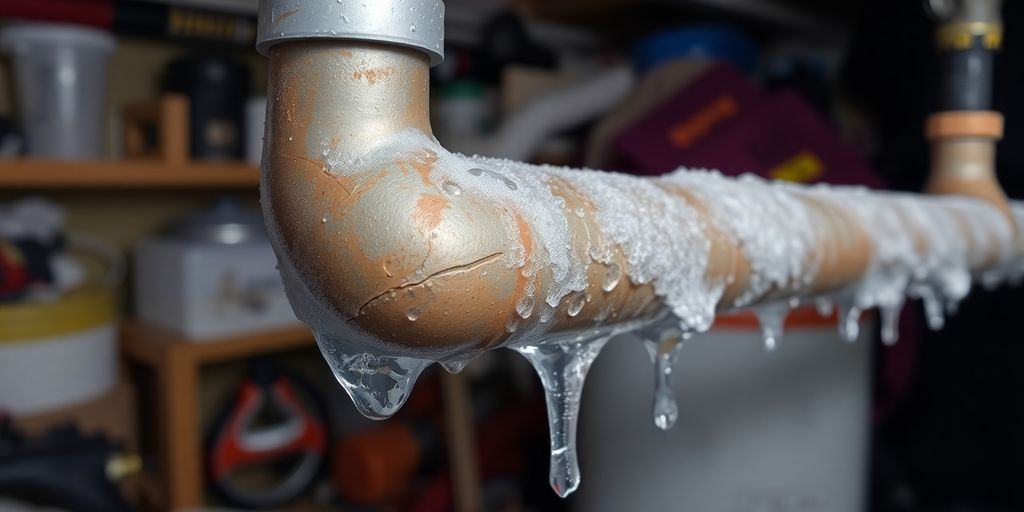
When water freezes, it expands. This is a simple fact, but it has huge implications for your pipes. The expansion creates immense pressure inside the pipe. Think of it like this: the water has nowhere to go, so it pushes outward with incredible force. This pressure doesn’t always cause a burst right at the point where the ice forms. More often, the weakest point in the piping system gives way, which could be some distance from the frozen section.
If a pipe bursts, the immediate problem is the water. And it’s not just a little bit of water. It can be a LOT. Consider these points:
The cost of repairing water damage can quickly escalate, involving not just plumbing repairs but also drywall replacement, flooring work, and mold remediation. It’s a headache you definitely want to avoid.
Your homeowner’s insurance policy likely covers burst pipes, but there are a few things to keep in mind. First, understand your deductible. You’ll need to pay this amount before your insurance kicks in. Second, insurance companies expect you to take reasonable steps to prevent damage. This means:
If you haven’t taken these steps, your claim could be denied. Also, keep in mind that repeated claims can affect your insurance rates. It’s always a good idea to review your policy and understand what’s covered and what’s not.
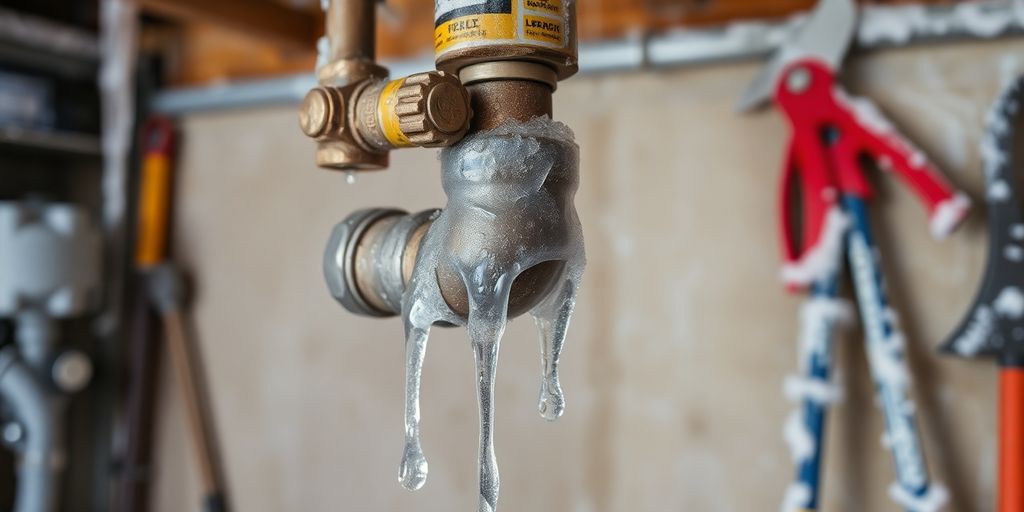
Knowing when to DIY and when to call in a professional can save you a lot of headaches, and potentially, a lot of money. If you’ve tried the simpler solutions, like thawing the pipe yourself, and it’s still not flowing, it’s time to get a plumber involved. Ignoring the problem can lead to bigger issues like extensive water damage or mold growth.
Here are some situations where calling My Calgary Plumber is the best course of action:
Understanding your insurance policy is important before disaster strikes. Most homeowner’s insurance policies cover damage from burst pipes, but there are often stipulations. For example, some policies may not cover damage if you haven’t taken reasonable steps to prevent the pipes from freezing, like insulating them.
It’s a good idea to review your policy annually and ask your insurance provider about coverage for water damage due to frozen pipes. Knowing what’s covered and what’s not can save you from unexpected financial burdens.
Preventative maintenance is key to avoiding frozen pipe issues. Regular inspections and upkeep can catch small problems before they turn into big, expensive ones. My Calgary Plumber can provide a maintenance plan tailored to your home’s specific needs. This might include:
Don’t wait until your pipes are frozen to think about maintenance. Give us a call today, and let’s get your plumbing system ready for whatever winter throws at it!
So, there you have it. If your garage pipes keep freezing and bursting, it’s time to take action. Start by checking for drafts and making sure those garage doors stay shut. Insulating your pipes can make a big difference, too. And don’t forget to let your faucets drip a bit when it gets really cold. It might seem like a hassle, but trust me, it’s way better than dealing with a burst pipe and the mess that comes with it. Stay warm, stay dry, and keep those pipes flowing!
Garage pipes often freeze because they are in unheated spaces and can be exposed to very cold air, especially if the garage door is left open.
You might see frost on the pipes, notice no water coming from the faucet, or smell unusual odors from drains.
You can insulate your pipes, keep garage doors closed, and let faucets drip slightly to keep water flowing.
First, turn off the main water supply, then try to thaw the pipes gently with a space heater or hairdryer.
If a frozen pipe bursts, it can cause a lot of water damage in your home, so it’s important to act quickly.
You should call a plumber if you can’t thaw the pipes yourself or if you notice water leaking from a burst pipe.