.png)




If you’ve ever wondered, “Why did my sump pump stop working after a power outage?” you’re not alone. Many homeowners face this frustrating issue, especially during heavy rains when they’re counting on their sump pump the most. Understanding the reasons behind a sump pump failure can help you fix the problem quickly and prevent future mishaps. Let’s break down the common causes and what you can do to keep your basement dry.
Sump pumps are your home’s first line of defense against basement flooding. They sit in a pit, usually at the lowest point of your basement. The primary function is to collect water that seeps in through the foundation and pump it away from your home. This prevents water from accumulating and causing damage.
Think of it this way:
Like any mechanical device, your sump pump needs regular attention to function properly. Neglecting maintenance can lead to unexpected failures, especially when you need it most – during a heavy rainstorm. Here’s why maintenance is important:
Regular maintenance is not just about preventing problems; it’s about ensuring your sump pump is ready to protect your home when disaster strikes. A little bit of upkeep can save you from costly repairs and water damage down the road.
Understanding the parts of your sump pump can help you troubleshoot minor issues and communicate effectively with a plumber if repairs are needed. Here are the key components:
Knowing these components will help you understand how your sump pump works and what might be causing it to fail.
When your sump pump suddenly stops working after a power outage, the first thing to consider is whether the issue stems from a lack of power. It’s more common than you might think, and often the fix is straightforward. Let’s explore some of the power-related problems that could be at play.
This might seem obvious, but it’s the most basic and often overlooked cause. After a power outage, it’s crucial to confirm that your home has electricity again. Sometimes, only certain circuits are affected, or the power company might still be working on restoring full service to your area. Check other appliances and lights to ensure you have a stable power supply. If you don’t, contact your local electricity provider for updates.
Sump pumps require a dedicated circuit to handle their power demands. A power surge during an outage can easily trip the circuit breaker or the Ground Fault Circuit Interrupter (GFCI) outlet that the pump is connected to.
Here’s what to do:
If the breaker trips again immediately, it indicates a more serious electrical problem that requires professional attention. Don’t keep resetting it, as this could pose a safety hazard.
Beyond tripped breakers, there could be issues with the electrical connections themselves. Over time, connections can corrode or loosen, especially in damp environments like basements.
Inspect the power cord of your sump pump for any signs of damage, such as cuts or fraying. Also, check the outlet for any visible corrosion or signs of burning. If you spot any of these issues, do not attempt to fix them yourself. Call a qualified electrician to assess and repair the connections safely.
Ignoring these problems can lead to electrical shocks or even fires, so it’s always best to err on the side of caution.
Even with a steady power supply, your sump pump can still run into problems. Mechanical failures are surprisingly common, and understanding them can save you from a flooded basement.
The float switch is what tells your sump pump when to turn on and off. It’s a pretty simple mechanism, but if it gets stuck, your pump might run constantly or not at all. Debris, sediment, or even just the switch rubbing against the side of the sump pit can cause it to stick. This is one of the most frequent mechanical issues.
To prevent this:
Your sump pump needs to move water efficiently, and clogs can seriously hinder that. The intake pipe can get clogged with dirt and debris from the sump pit, while the discharge pipe can freeze in winter or become blocked with sediment over time. A clogged pipe forces your pump to work harder, which can lead to premature failure.
A clogged discharge pipe can also cause water to flow back into the sump pit, essentially making your pump work in circles. This is not only inefficient but can also burn out the motor.
Here’s how to keep those pipes clear:
The motor is the heart of your sump pump, and like any motor, it can burn out. This often happens when the pump is overworked, either due to constant use, a clogged pipe, or an undersized pump trying to handle too much water. Once the motor is gone, the pump is essentially useless.
Signs of a motor problem include:
To extend the life of your sump pump motor:
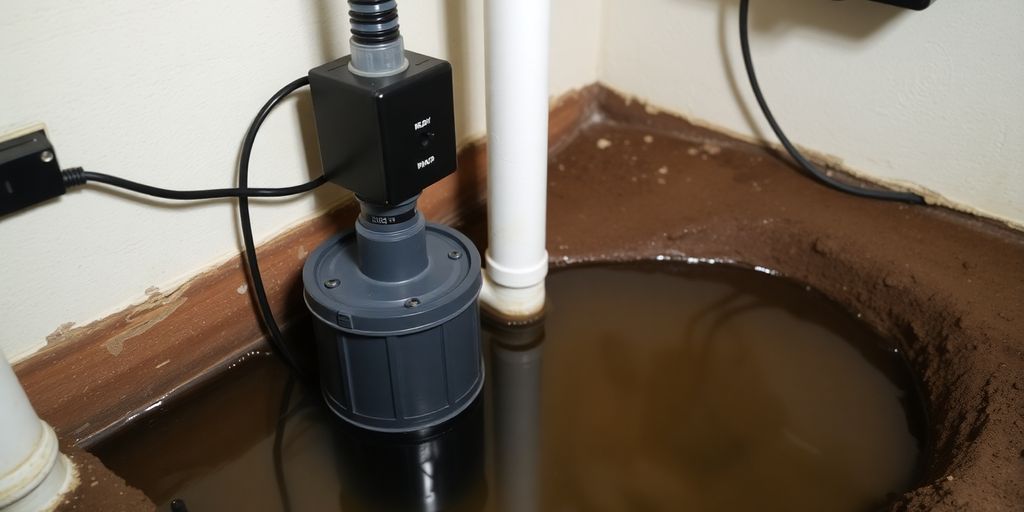
Let’s face it, relying solely on your primary sump pump is like betting everything on a single horse – risky. Power outages, mechanical failures, or even just an overworked pump can leave you vulnerable to a flooded basement. A backup sump pump provides a critical safety net, ensuring that water is continuously removed from your basement, even when your primary pump fails. Think of it as insurance against water damage, offering peace of mind, especially during heavy storms or when you’re away from home. It’s not just about convenience; it’s about protecting your property and belongings from costly water damage.
When it comes to backup sump pumps, you have a few options to consider, each with its own set of pros and cons:
Choosing the right type depends on your specific needs, budget, and risk tolerance. Consider factors like your area’s power outage frequency, the amount of water your basement typically handles, and your budget for installation and maintenance.
While battery backups are common, water-powered systems offer some distinct advantages. Here’s why you might consider one:
Water-powered backup sump pumps are a great choice for homeowners who want a reliable, long-lasting solution that doesn’t depend on electricity. They offer peace of mind during storms and power outages, ensuring your basement stays dry.
Of course, they do use municipal water, which can increase your water bill. However, for many homeowners, the added cost is a worthwhile trade-off for the reliability and peace of mind they provide.
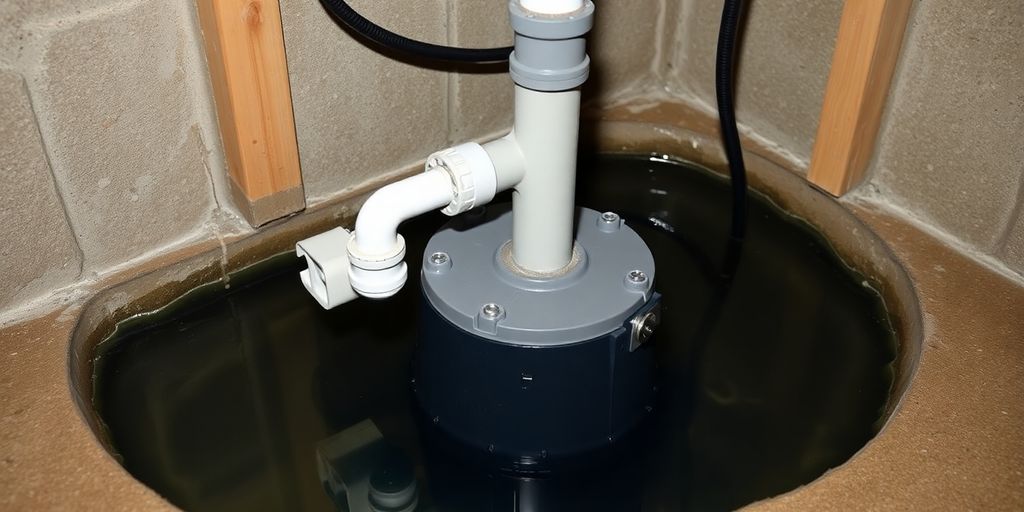
Okay, so the power’s back on, but don’t just assume your sump pump is magically working again. Time to get proactive! First things first, if you notice any standing water in your basement, act fast. The longer it sits, the more damage it can cause. Grab a mop, buckets, whatever you have, and start removing the water. This buys you some time while you troubleshoot the pump.
Remember, safety first. Never wade into standing water if you suspect electrical hazards. Turn off the main power switch if necessary, but only if it’s safe to do so.
Sometimes, a sump pump just needs a little nudge to get going again. The easiest way to reset it is to unplug it from the outlet, wait a few seconds, and then plug it back in. This can often clear minor glitches. If that doesn’t work, check these:
Alright, power’s back, and you’ve reset the pump. Now, let’s do a thorough check to make sure everything’s in good shape. Look for these common issues:
If you spot any of these problems, it’s best to call a qualified plumber to take a look. Ignoring these issues could lead to bigger, more expensive problems down the road.
It’s always better to be proactive, especially when it comes to protecting your home from water damage. Here’s how you can minimize the chances of your sump pump failing when you need it most.
Think of your sump pump like your car – it needs regular check-ups to run smoothly. A little bit of maintenance can go a long way in preventing headaches down the road. Here’s what you should do:
Sometimes, the best way to prevent future failures is to upgrade your current system. If your sump pump is old or struggling to keep up with the amount of water in your basement, consider these upgrades:
Power outages are a common cause of sump pump failure, especially during storms when you need the pump the most. A battery backup system can provide power to your sump pump when the electricity goes out, keeping your basement dry. Investing in a battery backup is a smart move for any homeowner who relies on a sump pump.
While some sump pump issues can be addressed with a bit of DIY know-how, there are definitely times when it’s best to call in the pros. Ignoring serious problems can lead to bigger headaches and costlier repairs down the road. Plus, dealing with water and electricity can be dangerous if you’re not experienced.
Okay, so how do you know when it’s time to wave the white flag and call a plumber? Here are a few telltale signs:
Finding a reliable plumber is key to getting your sump pump back in working order. Here’s what to look for:
The cost of sump pump repair can vary depending on the type of problem, the complexity of the repair, and the plumber’s rates. Here’s a general idea of what to expect:
It’s always a good idea to get a few estimates from different plumbers before making a decision. Be sure to ask about any warranties or guarantees on the repair work.
Don’t wait until your basement is flooded to deal with a sump pump problem. If you notice any of the signs mentioned above, call My Calgary Plumber today. We’ll diagnose the issue quickly and provide you with the best solution to keep your basement dry and your home protected. We’re available 7 days a week to help!
If you’re facing a plumbing issue that seems too big to handle, it’s time to call in the experts. Whether it’s a major leak, a clogged drain, or a broken water heater, professional plumbers have the skills and tools to fix these problems safely and effectively. Don’t wait until the situation gets worse—visit our website today to learn more about our plumbing services and get the help you need!
So, if your sump pump stops working after a power outage, don’t panic. First, check if the power is back on and see if the pump is plugged in. If it’s still not working, you might have a tripped breaker or a stuck switch. Sometimes, it’s just a simple fix. But if your pump is old or has been through a lot, it might be time for a replacement. To avoid this headache in the future, consider getting a backup sump pump. They can keep your basement dry even when the power goes out. Remember, a little prep can save you from a big mess later!
First, check if the power is back on. If it is, try resetting the pump by unplugging it and plugging it back in. If it still doesn’t work, you might need to check for other problems like a stuck float switch or a clogged pipe.
To avoid issues during storms, consider getting a backup sump pump that runs on battery or water pressure. Regular maintenance is also key to keeping your sump pump in good shape.
If you notice water pooling in your basement, strange noises from the pump, or if the pump runs continuously without stopping, it may need repair.
A backup sump pump is crucial because it helps keep your basement dry when the main pump fails, especially during power outages.
You should check your sump pump at least once a year, and more often if you live in an area prone to heavy rains or flooding.
If you notice persistent issues, such as frequent breakdowns or if you’re unsure how to fix a problem, it’s best to call a professional for help.