.png)




When a pipe bursts in a rental property, it can create a chaotic situation for both landlords and tenants. Understanding who is responsible for the repair costs is crucial to avoid disputes and ensure a smooth resolution. This article will break down the responsibilities of landlords and tenants in Calgary regarding burst pipe repairs, helping you navigate this tricky situation more easily.
Before diving into the specifics of who pays for what when a pipe bursts, it’s important to understand the basic responsibilities outlined in your rental agreement. Think of it as the foundation upon which all other repair-related decisions are made. Let’s break down some key aspects.
Rental agreements, or leases, are legal contracts that define the relationship between you (the tenant) and your landlord. These documents outline each party’s obligations, including who is responsible for what when it comes to property maintenance and repairs.
It’s important to read your rental agreement carefully before signing. If something is unclear, don’t hesitate to ask your landlord for clarification. It’s better to understand your responsibilities upfront than to face unexpected costs or disputes later.
One of the biggest issues I see is that many tenants and landlords operate under assumptions rather than facts. For example, some tenants believe that landlords are responsible for all repairs, regardless of the cause. On the other hand, some landlords think tenants should cover any damage that occurs during their tenancy. Neither of these assumptions is always true. The actual responsibility often depends on the specific terms of the lease and the cause of the damage.
Always document any issues with the property, no matter how small they may seem. This includes taking photos or videos of the damage, writing down the date you noticed the problem, and keeping records of all communication with your landlord.
Here’s why documentation is so important:
By understanding your responsibilities and documenting any issues, you can help ensure a smooth and fair rental experience.
As a landlord in Calgary, understanding your repair obligations is essential for maintaining a positive relationship with your tenants and staying compliant with Alberta’s laws. It’s not always easy, but knowing where you stand can save you a lot of headaches down the road. Let’s break down what you need to know about "Landlord vs tenant plumbing responsibilities Calgary".
In Alberta, landlords have a legal duty to ensure that the rental property is safe and habitable. This means maintaining the property to meet minimum housing standards and addressing necessary repairs promptly. The specifics can sometimes feel vague, but it generally includes ensuring that essential systems like heating, plumbing, and electrical are in good working order. If something breaks down, it’s usually on you to fix it. This is especially true for plumbing issues, as they can quickly lead to property damage and health concerns. It’s important to know your "Landlord responsibilities for plumbing repairs Alberta".
When a plumbing emergency strikes – think burst pipes or major leaks – time is of the essence. As a landlord, you’re generally responsible for handling these situations quickly.
What constitutes an emergency?
Tenants should notify you immediately, and you should respond as quickly as possible. If you can’t be reached, tenants may have the right to arrange for repairs themselves and deduct the cost from their rent, but only under specific circumstances. Make sure you understand "What to do if a pipe bursts in a rental property?".
Beyond immediate emergencies, landlords also have long-term repair obligations. This includes maintaining the structural integrity of the property and addressing issues that arise from normal wear and tear. For example, if the pipes are old and corroded, leading to frequent leaks, it’s your responsibility to replace them.
It’s important to differentiate between damage caused by tenant negligence and normal wear and tear. Wear and tear is the gradual deterioration of the property over time, while negligence is damage caused by carelessness or misuse. Understanding this difference is key to determining who is responsible for the "Cost of burst pipe repair for landlords and tenants".
Here’s a simple breakdown:
| Issue | Landlord Responsibility | Landlord Responsibility | Tenant Responsibility | Example | , and the team is always ready to help. We’re here to make sure your plumbing problems are solved quickly and efficiently.
As a tenant, you have a significant role in maintaining the property you rent. While landlords are responsible for major repairs, you are generally expected to handle minor upkeep tasks. This includes things like changing light bulbs, keeping the property clean, and ensuring that drains are free from blockage. Think of it as your responsibility to keep the place in good condition through regular, basic care. This not only makes your living space more pleasant but also helps prevent bigger problems from developing down the line. Plumbing maintenance responsibilities in a Calgary rental are a shared effort, and your contribution is important.
One of the most important things you can do as a tenant is to report any issues to your landlord as soon as you notice them. This is especially important for plumbing problems, as even small leaks can quickly turn into major damage. Don’t wait until a minor issue becomes an emergency. Prompt reporting allows your landlord to address problems quickly and efficiently, potentially saving both of you time and money. Make sure to document your report in writing, keeping a copy for your records. This creates a clear record of communication and can be helpful if any disputes arise later.
While landlords are typically responsible for most repairs, there are situations where you, as the tenant, may be held liable for damages. This usually occurs if the damage was caused by your negligence or the negligence of your guests. For example, if you overflow the bathtub and cause water damage to the apartment below, you could be responsible for the repair costs. It’s important to understand your responsibilities and take reasonable care to avoid causing damage to the property. Review your rental agreement carefully to understand the extent of your potential liabilities.
It’s always a good idea to have a clear understanding of your responsibilities as a tenant. Open communication with your landlord and a proactive approach to property maintenance can help prevent disputes and ensure a positive renting experience.
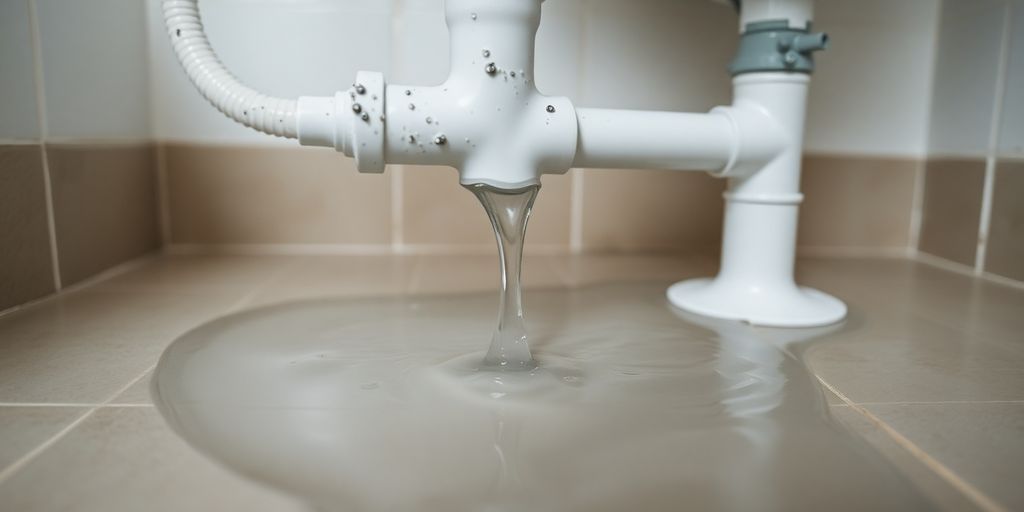
It’s a fact of life: things break. In a rental, figuring out who foots the bill can be tricky. Let’s break down how responsibility is determined when damage happens in your Calgary rental property.
First, you need to figure out what caused the damage. Was it a sudden event, like a burst pipe during a cold snap? Or did it happen slowly over time? The cause is key to figuring out who’s responsible. For example, if a pipe bursts due to freezing temperatures, the responsibility might fall on the landlord, especially if they didn’t properly maintain the property or inform you about preventative measures. However, if the damage was caused by something you or a guest did, you might be responsible.
Not all damage is created equal. There’s a big difference between wear and tear and actual damage. Wear and tear is the normal decline of things over time. Think faded paint, loose door handles, or worn carpets. Landlords usually cover wear and tear. Damage, on the other hand, is something beyond normal wear. A hole in the wall, a broken appliance due to misuse, or significant stains are examples of damage. Tenants are typically responsible for damage they cause.
Negligence plays a big role in determining responsibility. If damage occurs because someone didn’t take reasonable care, they’re likely liable.
Here’s a breakdown:
It’s important to document everything. Take photos of the damage, keep records of communication with your landlord, and get everything in writing. This will help protect you if there’s a dispute.
Ultimately, determining responsibility depends on the specific circumstances, the rental agreement, and Alberta’s landlord-tenant laws. When in doubt, communicate with your landlord and seek legal advice if needed.
Life happens, and sometimes it throws you a curveball in the form of a burst pipe or a malfunctioning furnace in the dead of winter. Knowing how to handle these emergency situations in your Calgary rental is key to minimizing damage and stress. Let’s break down what constitutes an emergency, what steps you should take, and what you can expect from your landlord.
Not every drip or crack qualifies as an emergency. An emergency is generally defined as a situation that poses an immediate risk to your health, safety, or the property itself. Here are some examples:
These situations require immediate attention to prevent further damage or harm. A dripping faucet, while annoying, is generally not considered an emergency.
When faced with an emergency, time is of the essence. Here’s a step-by-step guide:
Remember, your primary responsibility is to protect yourself and the property from further harm. Act quickly and decisively, but always prioritize safety.
Landlords have a legal obligation to address emergency repairs promptly. What constitutes a
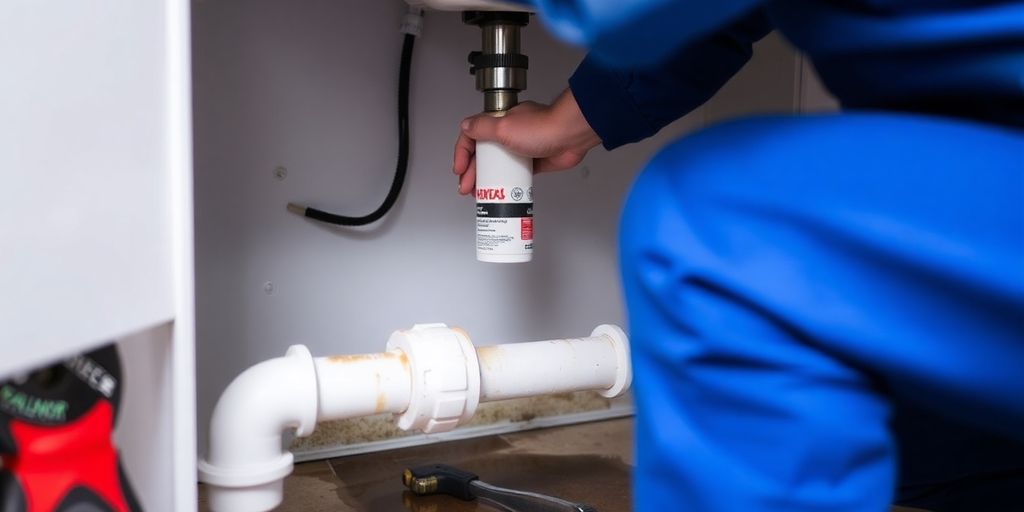
Repair issues in rental properties can sometimes lead to disagreements between landlords and tenants. Knowing how to handle these situations effectively is important for a positive renting experience. Let’s explore some strategies for resolving repair-related disputes.
Open and honest communication is the first step in resolving any dispute. Always start by clearly communicating the issue to your landlord in writing. This creates a record of your request and ensures there’s no misunderstanding about the problem.
If you’ve already communicated the issue and haven’t received a response, follow up politely but firmly. Keep a record of all communication attempts, including dates, times, and methods used (email, phone, etc.).
Sometimes, direct communication isn’t enough. If you and your landlord can’t reach an agreement, consider involving a third party. This could be a mediator, a tenant advocacy group, or even a lawyer, depending on the severity of the situation. A mediator can help facilitate a conversation and find a solution that works for both parties. Tenant advocacy groups can provide advice and support, while a lawyer can advise you on your legal rights and options.
Knowing your rights as a tenant is important. In Calgary, several resources can help you understand your legal options and navigate disputes. The Alberta Residential Tenancy Dispute Resolution Service (RTDRS) offers a way to resolve disputes outside of court. Additionally, Legal Aid Alberta provides legal assistance to those who qualify. Don’t hesitate to seek legal advice if you feel your rights are being violated. Understanding the Residential Tenancies Act is key to protecting yourself.
Remember, documenting everything is important. Keep copies of all communication, photos of the damage, and any other relevant information. This documentation can be invaluable if you need to escalate the dispute further.
Rental insurance, often overlooked, is a safety net for tenants. It protects your belongings from unexpected events like fire, theft, or water damage. It typically covers the cost of replacing or repairing your possessions, up to the policy’s limit. Beyond personal property, rental insurance can also provide liability coverage if someone is injured in your rental unit and you are found responsible. This coverage can help pay for medical expenses or legal fees. It’s a smart way to protect yourself financially from unforeseen circumstances.
Selecting the right rental insurance policy requires careful consideration. Start by assessing the value of your personal belongings to determine the appropriate coverage amount. Consider whether you want ‘replacement cost’ or ‘actual cash value’ coverage. Replacement cost will pay for new items, while actual cash value factors in depreciation. Compare quotes from multiple insurance providers to find the best rates and coverage options. Read the policy details carefully to understand what is covered and what is excluded. Don’t hesitate to ask questions and clarify any uncertainties before making a decision.
Having rental insurance offers several key benefits:
Rental insurance is not just about protecting your stuff; it’s about protecting your financial future. A burst pipe or a fire can lead to significant expenses, and insurance can help you avoid shouldering those costs alone. It’s a small price to pay for the security and peace of mind it provides.
Having rental insurance is really important for anyone who rents a home. It helps protect your belongings from things like theft, fire, or water damage. If something bad happens, your insurance can help you pay for repairs or replace lost items. Don’t wait until it’s too late! Visit our website today to learn more about how rental insurance can keep you safe and secure.
So, when it comes to who pays for a burst pipe repair in a rental property in Calgary, it really boils down to the cause of the damage. If the issue is due to normal wear and tear or something the landlord should have fixed, they’re on the hook for the costs. But if it’s caused by tenant negligence or something they did, then the tenant might have to pay up. It’s always a good idea for both parties to know their responsibilities and keep communication open. And hey, if things get tricky, don’t hesitate to reach out to a local rental authority for guidance. Being informed can save a lot of headaches down the road!
In most cases, the landlord must fix a burst pipe since it is their job to maintain the property. However, if the tenant caused the damage, they may have to pay for the repairs.
You should inform your landlord right away. It’s important to document the issue, so take photos and keep records of your communication.
No, tenants generally cannot be charged for repairs that are due to normal wear and tear or that they did not cause.
If the landlord does not address the issue in a reasonable time, you may have the right to seek help from local tenant organizations or legal resources.
Yes, tenants are usually responsible for minor repairs, such as changing light bulbs or batteries in smoke alarms, unless otherwise stated in the rental agreement.
Good communication is key. Keep records of all requests and responses, and if needed, involve a third party, like a tenant rights organization, for assistance.