.png)



When your toilet gets clogged, the first thing that comes to mind is usually a plunger. But what if you don’t have one handy? Don’t worry! There are plenty of clever ways to fix a clogged toilet in Calgary without a plunger. This guide will walk you through some effective methods using common household items. Whether it’s dish soap or a DIY drain cleaner, you’ll find a solution that works for you.
Dish soap? Yes, you read that right. It’s not just for dishes anymore. This method is surprisingly effective for minor clogs, and it’s something you probably already have under your sink. Let’s get into how this works and how to do it.
The magic of dish soap lies in its ability to lubricate. Its slippery nature helps to ease the clog down the drain. Think of it as giving the blockage a little nudge in the right direction. It works best on clogs made of grease or soft materials. The soap can help break down the clog, making it easier to flush away. It’s not a miracle cure, but it’s a great first step before resorting to more drastic measures.
This method is best suited for minor clogs. If you have a more serious blockage, you may need to try a different approach, such as a drain snake or calling a plumber. Don’t force it, or you could end up with a bigger problem.
If this doesn’t work, don’t worry! There are plenty of other methods to try. Keep reading to explore more options for unclogging your toilet without a plunger.
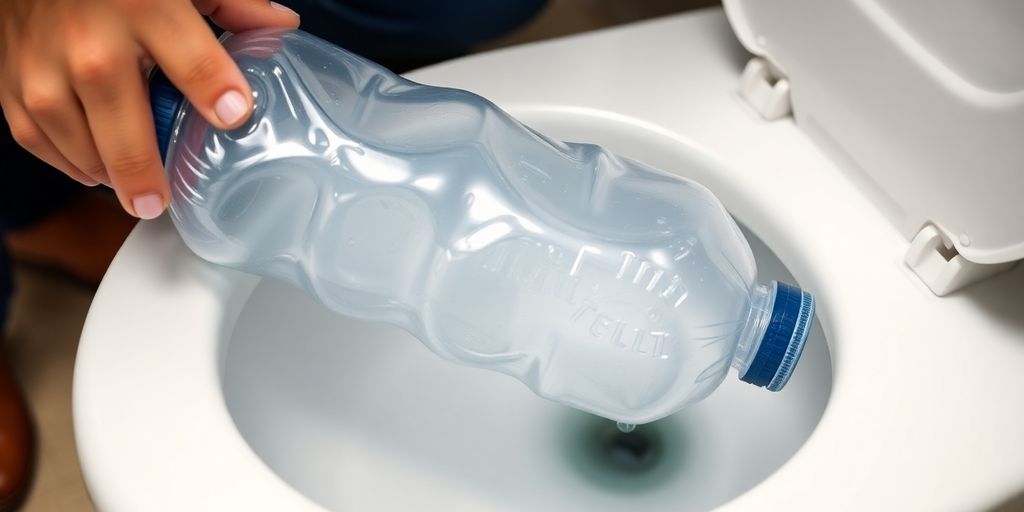
Sometimes, the simplest solutions are the most effective. If you don’t have a plunger handy, a plastic bottle can be a surprisingly useful tool for unclogging your toilet. It’s all about creating pressure to dislodge the blockage. This method is especially handy for minor clogs and can save you a trip to the store or a call to a plumber. Let’s explore how to use this technique.
First things first, you’ll need a sturdy plastic bottle. A 2-liter bottle works best, but any large, rigid bottle will do. Start by removing as much water as possible from the toilet bowl. You can use a cup or a small bucket to scoop out the excess water. This will give you more room to work and prevent overflow. Next, fill the bottle with warm water. The warm water adds a bit of extra force and can help to break down some clogs. Make sure to wear rubber gloves to keep things sanitary.
Now for the fun part. Put on those gloves! Hold the bottle by the neck and carefully insert the open end into the drain at the bottom of the toilet bowl. You want to create as tight a seal as possible. Once the bottle is in place, squeeze it forcefully. The goal is to create a jet of water that will push the clog down the drain. Repeat this process several times, refilling the bottle as needed. You might need to experiment with the angle and pressure to find what works best. Keep at it, and hopefully, you’ll feel the clog start to give way. This method essentially mimics the action of a plunger by using the water pressure from the bottle to dislodge the obstruction.
While the plastic bottle method can be effective, it’s not foolproof. One of the biggest challenges is creating a good seal between the bottle and the drain. If you can’t get a tight seal, the pressure will escape, and the method won’t work. Also, this method is best for minor clogs. If you have a severe blockage, you might need to try a different approach. Be careful not to damage the toilet bowl with the bottle. And, of course, always wear gloves to protect yourself from germs. If you’re still having trouble, it might be time to call My Calgary Plumber for professional help. Sometimes, a DIY approach just isn’t enough, and that’s okay. Don’t hesitate to reach out for assistance if you’re in over your head. Remember, we’re here to help keep your plumbing flowing smoothly!
Hot water, when combined with soap, can be surprisingly effective at breaking down toilet clogs. The heat helps to dissolve greasy substances that contribute to the blockage, while the soap acts as a lubricant, allowing the clog to slide down the drain more easily. This method is particularly useful for clogs caused by things like excessive toilet paper or organic matter. It’s a gentle approach, minimizing the risk of damage to your plumbing.
Here’s how to use the hot water and soap technique to unclog your toilet:
Safety is paramount when dealing with hot water. Here are a few things to keep in mind:
It’s important to note that this method may not work for all types of clogs. If the clog is caused by a solid object, such as a toy, hot water and soap are unlikely to be effective. In such cases, you may need to try a different approach, such as using a wire hanger or calling a professional plumber.
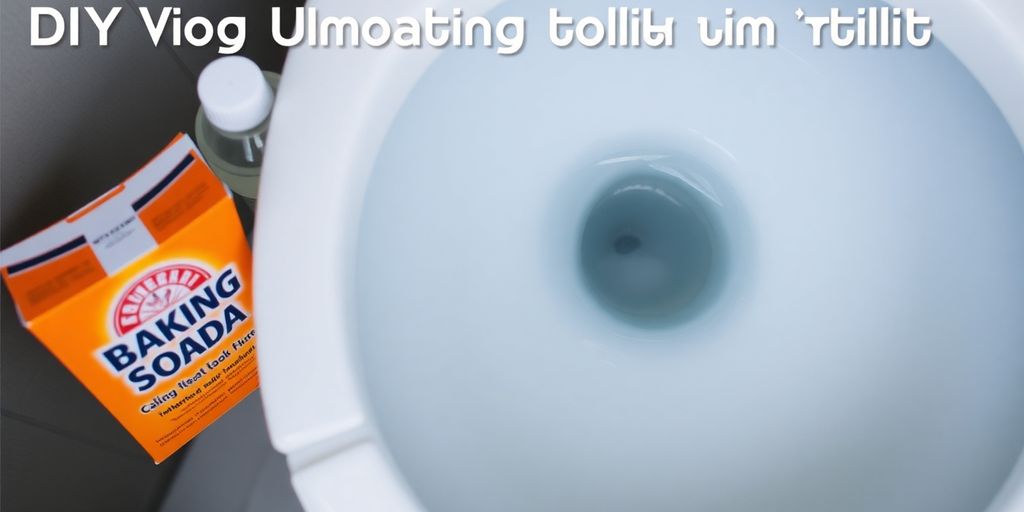
Sometimes, you just don’t have a plunger handy, or maybe you’re looking for a more natural approach to unclogging your toilet. That’s where a DIY drain cleaner comes in! It’s surprisingly easy to whip up a solution using ingredients you probably already have in your kitchen. Plus, it can be a gentler alternative to harsh chemical drain cleaners.
Okay, so what’s in this magical concoction? The beauty of a DIY drain cleaner is its simplicity. You’ll typically need just two key ingredients:
Some recipes might call for salt or dish soap, but the baking soda and vinegar combo is usually the star of the show.
Alright, let’s get mixing! Here’s a simple step-by-step guide:
This method is great because it’s relatively safe and uses ingredients you likely already have. However, it’s not a miracle worker. For stubborn clogs, you might need to repeat the process or try a different method.
Now, let’s talk about how to actually apply this DIY drain cleaner. It’s not just about dumping ingredients into the toilet; there’s a bit of finesse involved. First, make sure there isn’t too much water in the bowl. If it’s overflowing, try to remove some with a cup or small container. This allows the baking soda and vinegar to directly target the clog, rather than being diluted by excess water. After pouring in the baking soda and vinegar, resist the urge to flush immediately. Let the mixture sit and do its thing. Patience is key here! After the waiting period, carefully pour in the hot water. If the toilet starts to drain, great! If not, you might need to repeat the process or try another method, like using a wire hanger.
So, how well does this DIY drain cleaner actually work? Well, it’s generally effective for minor clogs caused by things like toilet paper or small amounts of waste. The fizzing action helps to break down these materials and dislodge them from the drain. However, for more severe clogs caused by larger objects or a buildup of mineral deposits, it might not be enough. In those cases, you might need to resort to a plunger, a wet/dry vacuum, or even call a professional plumber. Also, it’s important to note that this method is not a substitute for regular toilet maintenance. Preventing clogs in the first place is always the best approach. Consider using less toilet paper, avoiding flushing non-flushable items, and periodically flushing the toilet with hot water to keep things flowing smoothly. If you’re dealing with recurring clogs, it might be a sign of a bigger plumbing issue that requires professional attention. Don’t hesitate to call My Calgary Plumber for hot water and dish soap solutions and expert advice!
Sometimes, the simplest tools are the most effective. A wire hanger, often found in closets, can be a surprisingly useful tool for dislodging toilet clogs. It’s not the most glamorous method, but in a pinch, it can save you a call to My Calgary Plumber.
First, grab a wire coat hanger. Untwist the hooked part and straighten the hanger as much as possible. Be careful to create a relatively straight line, but leave a small hook at the end. This hook will help you break up and pull out the clog without damaging the porcelain. Consider wrapping the end with duct tape to further protect the toilet bowl from scratches. This simple preparation can make a big difference in the effectiveness and safety of this method.
Carefully insert the hooked end of the hanger into the toilet bowl drain. Gently probe and push the hanger into the drain, using a twisting motion to break up the clog. Avoid applying excessive force, as this could damage the toilet or push the clog further down the drain. Once you feel the clog break apart, try flushing the toilet to see if the water drains normally. You might need to repeat this process a few times to completely clear the blockage. If the water starts to drain, but slowly, continue probing to ensure all debris is cleared. This method requires patience, but it can be quite effective for simple clogs.
While a wire hanger can be a handy tool, it’s not always the best solution. Avoid using this method if you suspect the clog is caused by a solid object, such as a toy or a large mass of paper towels. In these cases, forcing the hanger could push the object further into the drain, making the problem worse. Additionally, if you have an older toilet with delicate plumbing, be extra cautious to avoid scratching or damaging the porcelain. If you’re unsure about the cause of the clog or uncomfortable using a wire hanger, it’s always best to call a professional plumber. Sometimes, trying to fix it yourself can lead to bigger, more expensive problems. If you’ve tried this and it’s not working, it might be time to call for toilet repair.
Using a wire hanger is a quick fix, but it’s important to be gentle and aware of the potential risks. If you’re not comfortable with this method, or if it doesn’t work, don’t hesitate to call a professional. It’s better to be safe than sorry when it comes to your plumbing.
Here’s a quick guide:
Remember those volcano science projects from school? That’s essentially what we’re doing here, but in your toilet. When baking soda (sodium bicarbonate) and vinegar (acetic acid) mix, they create a chemical reaction that produces carbon dioxide gas. This fizzing action can help to break down and dislodge the clog. It’s a gentler approach compared to harsh chemicals, making it a good first try for minor blockages. However, don’t expect miracles on tougher clogs; it’s more of a fizzle than a force.
Here’s how to put this dynamic duo to work:
While baking soda and vinegar can be a handy solution for minor clogs, it’s not a cure-all. It works best on clogs made of organic material that can be broken down by the fizzing action. It might not be effective on solid objects or more severe blockages. Think of it as a gentle nudge rather than a powerful shove. If the toilet remains clogged after a couple of attempts, it’s time to explore other methods or call in a professional. For those tougher jobs, you might need to consider unclog a toilet without a plumber.
This method is generally safe for your pipes, but avoid using it in conjunction with other chemical drain cleaners, as this could create dangerous fumes or damage your plumbing system. Always exercise caution when dealing with any type of drain cleaner.
Okay, so you’re thinking about using a wet/dry vacuum to tackle that stubborn toilet clog? Smart move! First things first, you’ve got to get the vacuum prepped. Make sure it’s a wet/dry vac, not just a regular vacuum cleaner. You don’t want to ruin your machine by sucking up water it’s not designed for. Empty the vacuum canister completely. You don’t want any old dust or debris mixing with the toilet water. Trust me on this one.
Alright, now for the fun part. Carefully insert the vacuum hose into the toilet bowl, making sure it’s submerged in the water. You want to create a good seal to maximize suction. Turn on the vacuum and let it do its thing. It might take a few tries, but be patient. The goal is to suck out as much water and debris as possible. You might need to move the hose around a bit to get at the clog directly. If you’re lucky, you’ll hear a satisfying glug as the clog breaks up and gets sucked away. If the toilet is overflowing, you may want to try other solutions for effective results.
Before you go all in, let’s talk safety. We’re dealing with toilet water here, so it’s not exactly the cleanest stuff in the world. Wear some rubber gloves to protect your hands. And maybe even some eye protection, just in case of splashes. Also, be careful not to overfill the vacuum canister. You don’t want to end up with a soggy mess on your bathroom floor. And last but not least, make sure the vacuum is plugged into a GFCI outlet to prevent electric shock. If you’re not comfortable with any of this, it’s always best to call a My Calgary Plumber.
A wet/dry vacuum is a handy tool for cleaning up messes, whether it’s wet spills or dry debris. To use it, simply switch it to the right setting, plug it in, and start vacuuming. Make sure to empty the tank when it gets full to keep it working well. If you want to learn more about how to use a wet/dry vacuum effectively, visit our website for tips and tricks!
So, there you have it! If you find yourself in a bind without a plunger, don’t panic. You’ve got options. Whether it’s using dish soap and hot water, a plastic bottle, or even a DIY drain cleaner, there are ways to tackle that stubborn clog. Just remember, if the clog is caused by something that shouldn’t have been flushed, you might need to call in the pros. But for everyday blockages, these tricks can save you a lot of hassle. Next time you’re faced with a clogged toilet, give these methods a shot before you rush out to buy a plunger!
There are several methods you can try, like using dish soap, hot water, or even a plastic bottle to create pressure.
Yes, dish soap works best, but you can also use bar soap if you cut it into small pieces.
Yes, but make sure the water is not boiling, as it could crack the porcelain.
By creating pressure with the water in the bottle, you can push the clog through the pipes.
If these methods fail, you might need to call a plumber for help.
Yes, this combination can create a reaction that helps break down clogs, but it may not work for all types of blockages.