.png)




If you’ve ever dealt with a burst pipe, you know how stressful it can be. Choosing the right replacement pipe is crucial to prevent future issues. In this article, we’ll compare three popular options: PEX, copper, and PVC. Each has its own set of pros and cons, so let’s break it down and figure out what’s the best pipe to install after a burst.
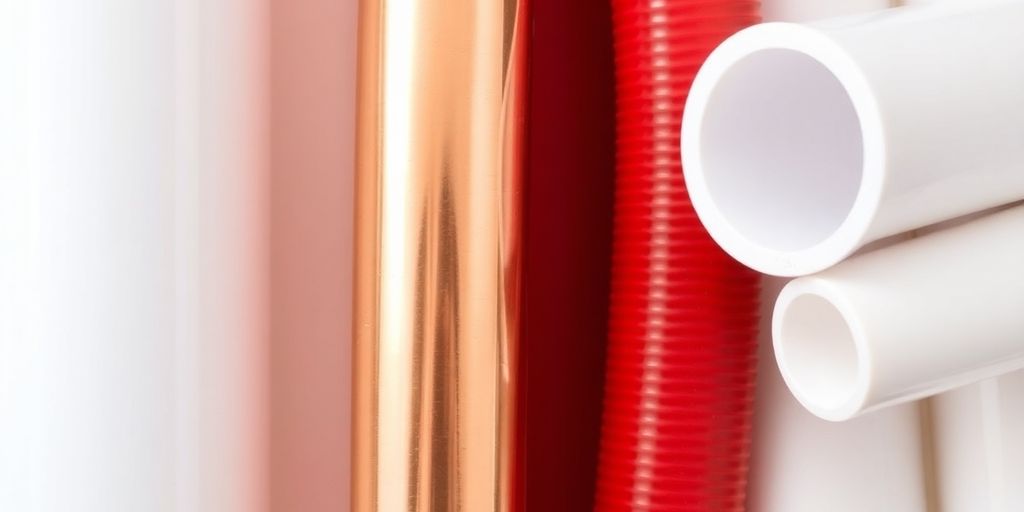
Okay, so you’ve heard about PEX, but what is it exactly? PEX stands for cross-linked polyethylene. It’s a type of plastic tubing that’s become super popular for plumbing, and for good reason. It’s flexible, durable, and generally easier to work with than some of the older materials.
PEX is a great option if you’re looking for a modern, efficient plumbing solution. It’s especially good for retrofitting existing homes because you can snake it through walls without tearing everything apart.
Copper pipes have been the go-to choice for a long time, and they’re still a solid option. They’re known for their reliability and long lifespan. Copper is naturally resistant to corrosion and can handle high water pressure and temperatures.
Here’s a quick rundown:
PVC, or polyvinyl chloride, is another type of plastic pipe commonly used in plumbing. However, it’s mostly used for drain, waste, and vent lines (DWV) rather than potable water supply. PVC is rigid and lightweight, making it easy to handle and install.
Keep these points in mind:
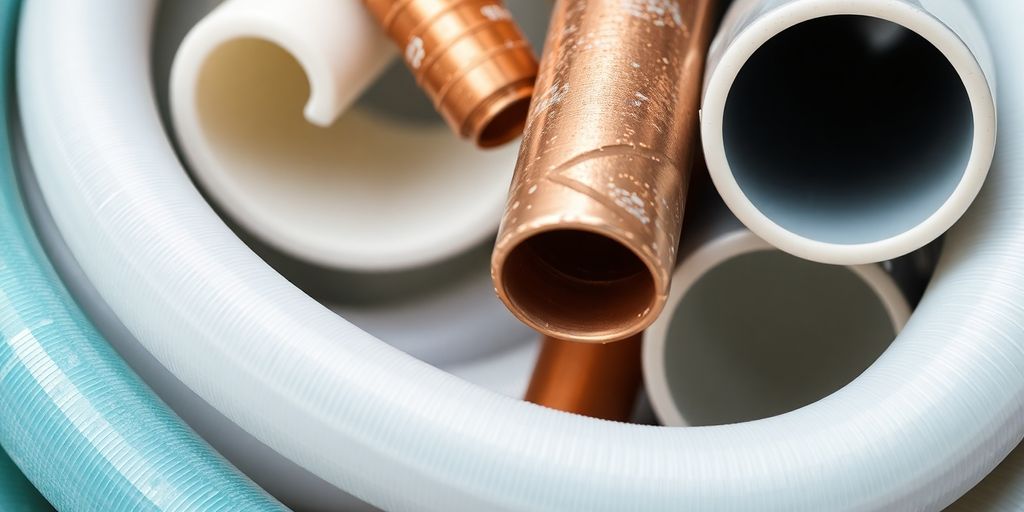
When you’re looking at re-piping your home, the price tag is a big deal. PEX really shines here. It’s significantly cheaper than copper, often cutting the material costs by more than half. Think about it: for an average-sized home, you might be looking at spending $8,000 to $10,000 for copper, while PEX could bring that down to $4,000 to $6,000. That’s a huge difference! The savings can really add up, especially if you’re on a budget. PEX is the way to go if you want to save money.
Let’s be honest, plumbing can be a pain. But PEX makes it a whole lot easier. Unlike rigid copper or PVC, PEX is flexible. This means you can bend it around corners and snake it through walls without needing a ton of extra fittings. Less fittings means less time spent installing, and less chance for leaks down the road. Plus, you don’t need to solder anything, which is a big win for DIYers.
Here’s a quick comparison:
If you’ve ever dealt with corroded pipes, you know what a headache it can be. Copper is susceptible to corrosion, especially if you have acidic water. PVC can also degrade over time. But PEX? It’s plastic, so it doesn’t corrode. This means your pipes will last longer and you won’t have to worry about replacing them anytime soon. Plus, no corrosion means cleaner water for you and your family. It’s a win-win!
Choosing PEX can save you money upfront, simplify the installation process, and provide long-term protection against corrosion. It’s a smart choice for modern plumbing needs.
When you’re dealing with plumbing, you want something that lasts. Let’s look at how PEX, copper, and PVC stack up in terms of how long they last and how tough they are.
Copper pipes have been a reliable choice for a long time, and for good reason. Under normal conditions, you can expect copper pipes to last a good 50 to 70 years. However, the lifespan can be shorter if your water is highly acidic. If you’re on a private well, it’s a good idea to test your water before installing copper pipes.
PEX pipes are becoming more popular, and they offer good durability. Generally, PEX is expected to last around 30 to 50 years.
Here’s what can affect PEX lifespan:
PVC pipes are often used for drain, waste, and vent lines, but they’re not always the best choice for water supply lines inside your home. PVC typically lasts for about 25 to 40 years.
PVC is more susceptible to becoming brittle over time, especially if exposed to temperature changes or direct sunlight. While it’s a cost-effective option, it might not be the most durable choice for long-term reliability compared to copper or PEX.
When you’re dealing with a burst pipe, getting the new one installed quickly and correctly is key. But each type of pipe – PEX, copper, and PVC – has its own set of installation needs. Let’s walk through what you’ll need to consider for each.
Working with PEX is often seen as the easiest route for DIYers, and for good reason. You don’t need to mess around with torches or solvents. Here’s a quick rundown of what you’ll need:
PEX is great because it’s flexible and can bend around corners, reducing the number of fittings needed. This can save you time and money, and also reduces the number of potential leak points.
Copper pipes have been around for ages, and while they’re reliable, installing them requires a bit more skill and some specialized equipment. Soldering is the name of the game here, and it involves using high heat to fuse the copper pipes and fittings together.
Soldering takes practice, and a bad joint can lead to leaks down the road. If you’re not comfortable with a torch, it might be best to call in a pro.
PVC is often used for drain, waste, and vent lines, but it can also be used for cold water supply lines in some areas. Joining PVC is a bit simpler than soldering copper, but it still requires careful attention to detail.
Here’s a quick guide to the costs associated with each material:
Proper ventilation is important when working with PVC cement, as the fumes can be strong. Also, make sure to allow the cement to cure fully before putting the pipes into service. Always check local codes to ensure PVC is approved for your intended use.
When you’re thinking about re-piping your home, the upfront cost is a big deal. PEX is often the winner here. It’s generally cheaper than copper, sometimes by a significant margin. You might save thousands on a whole-house project. Copper, on the other hand, has seen its price go up because it’s valuable for recycling. PVC is usually the least expensive material itself, but installation can add to the cost.
Think beyond the initial price tag. What about maintenance down the road? Copper is pretty reliable, but it can corrode, especially if your water is acidic. PEX is resistant to corrosion, which can save you money on repairs. PVC can become brittle over time, leading to cracks and leaks. So, while PVC might save you money now, you could end up paying more later.
Choosing the right material isn’t just about the initial cost; it’s about the long-term investment in your home’s plumbing system. Consider potential issues like corrosion, leaks, and the lifespan of each material to make an informed decision.
Okay, so what gives you the best bang for your buck? PEX often strikes a good balance. It’s affordable, durable, and resists corrosion. Copper lasts a long time, but the higher cost might not be worth it for everyone. PVC is cheap, but its lifespan and potential for problems can make it a risky choice. Ultimately, the best value depends on your specific situation, water quality, and how long you plan to stay in your home.
Copper is a champion when it comes to recyclability. It’s one of the most recycled metals on the planet, and for good reason. Unlike some materials that degrade when recycled, copper can be recycled repeatedly without losing its properties. This means that old copper pipes can be melted down and turned into new pipes, wiring, or other products, reducing the need to mine new copper ore. This process saves energy and reduces pollution associated with mining and refining.
PEX, or cross-linked polyethylene, presents a more complex picture regarding sustainability. While PEX itself is recyclable in some instances, the infrastructure for recycling it isn’t as widespread as it is for copper.
That being said, PEX does offer some environmental advantages. Its flexibility and fewer connections needed can reduce waste during installation. Also, its resistance to corrosion and scaling can extend its lifespan, reducing the frequency of replacements. Some manufacturers are also exploring the use of bio-based polyethylene to create more sustainable PEX options.
PVC (polyvinyl chloride) has faced scrutiny due to environmental and health concerns. The production of PVC involves chlorine, and the manufacturing process can release harmful chemicals.
However, advancements in PVC production have led to the development of more environmentally friendly PVC formulations. Recycling programs for PVC are also expanding, although they are not as common as those for copper. When considering PVC, it’s important to be aware of these environmental concerns and to choose products that meet environmental standards.
Alright, so you’ve got a burst pipe and you’re weighing your options. PEX, copper, and PVC all have their pros and cons, but how do you actually decide which one is right for your situation? It’s not always a straightforward answer, but let’s break it down.
First things first, take a good look at what you’re dealing with. Consider the age of your home, the existing plumbing materials, and the specific location of the repair. Are you replacing a small section of pipe, or are you planning a whole-house re-pipe? Is it in an area prone to freezing, or somewhere with high water pressure? These factors will heavily influence your choice.
Here’s a quick checklist to get you started:
This is non-negotiable. Always check your local building codes before making any plumbing changes. Some municipalities restrict the use of certain materials, or require specific installation techniques. Ignoring these codes can lead to fines, or even require you to redo the work.
Building codes exist for a reason: to ensure the safety and longevity of your plumbing system. Don’t try to cut corners or ignore the rules. It’s not worth the risk.
When in doubt, call a plumber. Seriously. We at My Calgary Plumber have seen it all, and we can provide expert advice tailored to your specific needs. A professional can assess your situation, recommend the best material for the job, and ensure that the installation is done correctly and up to code. Plus, we can handle all the permits and inspections, so you don’t have to worry about a thing.
Don’t hesitate to reach out for a consultation. It could save you time, money, and a whole lot of headaches in the long run. Give My Calgary Plumber a call today!
When it comes to picking the right pipe for your project, it’s important to think about what you need. Different pipes work better for different jobs, whether it’s for water, gas, or drainage. Make sure to consider the size, material, and purpose of the pipe. If you want to learn more about choosing the best pipe for your needs, visit our website for helpful tips and expert advice!
When it comes to fixing a burst pipe, the choice between PEX, copper, and PVC really depends on your specific needs and situation. PEX is great for DIYers because it’s flexible and easy to install, making it a popular choice for many homeowners. Copper, while more expensive, offers durability and longevity, which can be worth the investment if you plan to stay in your home for a long time. PVC is a budget-friendly option, but it’s not suitable for hot water. So, weigh the pros and cons of each material, consider your budget, and think about how long you want the pipes to last. Whatever you choose, just make sure to follow local codes and regulations, and don’t hesitate to call in a pro if you’re unsure!
PEX stands for cross-linked polyethylene. It is a flexible plastic pipe that is easier to install than copper and PVC. Unlike copper, PEX doesn’t corrode, and it’s lighter than both copper and PVC.
PEX is usually cheaper than copper pipes. It costs less to buy and install because you don’t need special tools for connections, making it a good choice for many plumbing projects.
Copper pipes can last 50 to 70 years, while PEX lasts about 30 to 50 years. PVC pipes usually last around 25 years, but they can become brittle over time.
To install PEX, you need basic tools like a pipe cutter and a crimp tool for fittings. Unlike copper, you don’t need a torch for soldering.
Regular PVC pipes are not safe for hot water. For hot water, you should use CPVC, which is made to handle higher temperatures.
Think about your budget, the type of water in your area, how long you want the pipes to last, and any local building codes that might affect your choice.