.png)




If you’ve ever dealt with a burst pipe, you know it can lead to a massive headache and a lot of damage. But how do you catch it early before it spirals out of control? In this article, we’ll explore the first signs of a hidden burst pipe in your home. Being aware of these signs can save you time, money, and a lot of stress down the line.
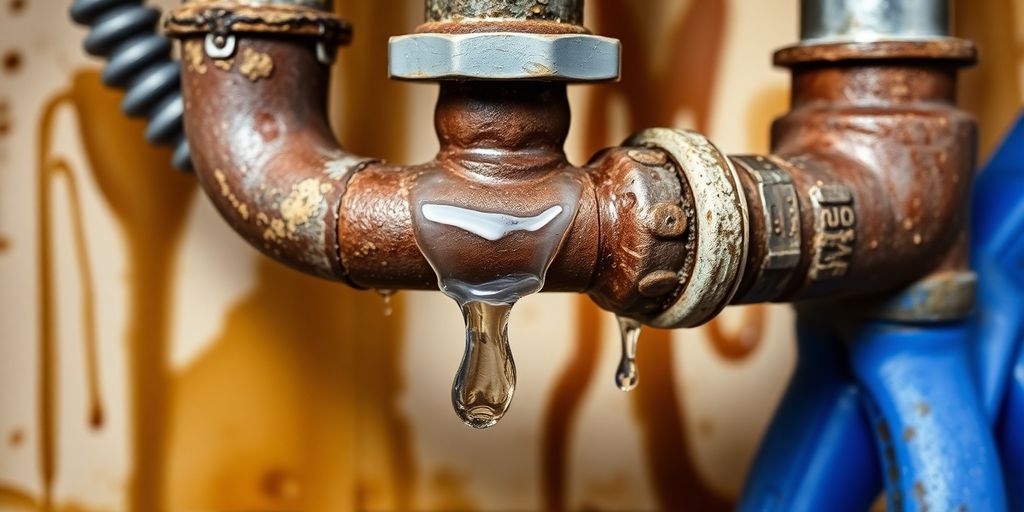
Ever walk around your house and hear something that just doesn’t sound right? When it comes to your plumbing, those odd sounds could be a warning sign of a hidden burst pipe. Ignoring them might lead to bigger problems down the road, so it’s worth paying attention. Let’s explore some of the noises you might hear and what they could mean.
Gurgling and hissing sounds coming from your pipes are definitely not normal. These noises often indicate air trapped in the plumbing system, which can happen when a pipe has cracked or burst. It’s like when you try to drink the last bit of a soda with a straw, and it makes that funny gurgling sound. The same thing happens in your pipes when air gets in where it shouldn’t. Hissing, on the other hand, might suggest water escaping under pressure. If you hear either of these, it’s time to investigate further.
Do you ever hear what sounds like water trickling behind your walls, even when all your faucets are off? That’s a major red flag. It means water is likely leaking somewhere within your walls, and it could be from a hidden burst pipe. The longer this goes on, the more damage it can cause to your drywall, insulation, and even the structure of your home. Don’t ignore trickling sounds; they’re a sign that you need to call a plumber ASAP.
Have you noticed your faucets are acting a little splashy lately? When you turn on the tap, does the water come out in an uneven, sputtering stream? This could be due to fluctuating water pressure caused by a pipe rupture somewhere in your system. It’s like when you’re trying to water your garden with a hose that has a kink in it – the water flow is all messed up. If your faucets are suddenly splashier than usual, it’s worth checking for other signs of a burst pipe and calling a professional to take a look.
Beyond the sounds and smells, sometimes your home will show you exactly where a pipe is struggling. Keep an eye out for these telltale signs of water damage; they could save you from a major headache down the road.
One of the first things you might notice is a change in the color of your walls or ceilings. Water leaks often leave behind discolored patches. These spots can appear pale beige, light yellow, or even brown. Don’t ignore these stains, especially if they seem to be growing or spreading. It’s a sign that water is seeping into the drywall or plaster, and that’s never a good thing.
If you see bubbles forming under your paint or wallpaper, or if the paint starts to peel away from the wall, that’s a pretty clear indication of moisture. This happens because water is getting trapped behind the surface, causing the adhesive to lose its grip. It’s not just unsightly; it’s a sign that the material underneath is getting wet and could be damaged. Keep an eye out for:
Ceilings are particularly vulnerable to water damage from burst pipes, especially if the pipes are located in the attic or an upstairs bathroom. When a pipe leaks, the water can soak through the insulation and into the ceiling below, creating noticeable stains or bulges. These bulges are caused by the weight of the water accumulating in the ceiling material. If you spot either of these, it’s time to act fast. Ignoring it could lead to:
Sometimes, your nose knows before your eyes do! A burst pipe can release some pretty nasty smells into your home. If you notice any of these odors, it’s time to investigate further. Don’t just mask the smell; find the source!
If you detect a metallic, rusty smell, it could indicate that water is leaking from your pipes and interacting with metal components. Iron deposits can build up and create this distinct odor. This is often a sign of corrosion within your plumbing system. It’s more than just a nuisance; it’s a warning sign.
A rotten egg smell is a major red flag. This usually means there’s a problem with your sewer line, and sewer gas is escaping. This gas contains hydrogen sulfide, which is not only unpleasant but also potentially dangerous. If you smell rotten eggs, don’t ignore it! Call a plumber immediately. It’s better to be safe than sorry.
A persistent moldy or musty smell, especially in areas that are typically dry, can indicate a hidden leak. Mold thrives in damp environments, so if you’re smelling mold but can’t see it, a burst pipe could be the culprit. Check under sinks, behind appliances, and in less-visited areas of your home.
Ignoring these smells won’t make them go away. In fact, the problem will likely get worse over time, leading to more extensive and costly repairs. Addressing the issue promptly can save you a lot of headaches down the road.
Have you noticed a change in the air inside your home? Sometimes, a hidden burst pipe can cause humidity levels to rise, even if you don’t see any obvious water. It’s like living in a rainforest, but indoors! This can be a subtle sign, but it’s one you shouldn’t ignore. Let’s explore what to look for.
If you’re experiencing a general feeling of dampness in the air, especially in certain rooms, it could be a sign of a hidden leak. It might feel like the air is heavy or sticky, even when the weather outside is dry. This persistent dampness is a red flag, especially if it’s localized to a specific area of your home. It’s more than just a stuffy room; it’s a sign that moisture is being introduced into the air from somewhere, and a burst pipe could be the culprit.
Are your windows constantly fogging up, even when it’s not particularly cold outside? Excessive condensation on windows, especially on the inside, can indicate elevated humidity levels. This happens because the warm, moist air inside your home is coming into contact with the cooler surface of the glass.
One of the most concerning signs of increased humidity is the growth of mold, especially in areas you don’t normally see. Check in closets, behind furniture, and in corners of rooms. Mold thrives in damp environments, and a hidden burst pipe can create the perfect conditions for it to flourish. If you spot mold, it’s a clear indication that you have a moisture problem that needs to be addressed immediately.
Ignoring mold growth can lead to health problems and further damage to your home. It’s important to identify the source of the moisture and take steps to remove the mold and prevent it from returning.
It’s easy to overlook your water bill, but it can be a key indicator of a hidden burst pipe. If you’re not paying attention, you might miss the early signs and end up with a much bigger problem down the road. Let’s take a closer look at what to watch for.
Have you ever opened your water bill and been shocked by the amount? A sudden, unexplained increase is a major red flag. This often indicates a leak somewhere in your plumbing system, even if you can’t see any visible signs of water damage. Think about it: you haven’t changed your water usage habits, but your bill has skyrocketed. That extra water has to be going somewhere, and a hidden burst pipe is a likely culprit.
Don’t just look at this month’s bill; compare it to previous months and even previous years. Most water companies provide you with a history of your water usage. Take advantage of this! If you see a consistent pattern of low usage, followed by a sudden jump, that’s a strong indicator of a problem. It’s also a good idea to compare your usage to the same month last year. Seasonal changes can affect water usage (like watering the lawn in the summer), so comparing similar timeframes can give you a clearer picture.
Your water meter is your best friend when it comes to detecting hidden leaks. Here’s how to use it:
Even a small change in the meter reading can indicate a significant leak over time. Don’t dismiss it just because it seems minor. Small leaks can quickly turn into big problems, leading to water damage and costly repairs.
It’s also worth checking the low-flow indicator on your water meter (if it has one). This is a small, usually triangular or star-shaped dial that spins when even a small amount of water is flowing. If you see it spinning when all your water is turned off, you definitely have a leak.
Here’s a simple table to illustrate how to interpret your water meter readings:
If you suspect a leak, don’t hesitate to call a professional plumber. The sooner you address the problem, the better. Ignoring it could lead to extensive water damage, mold growth, and a much higher water bill in the long run.
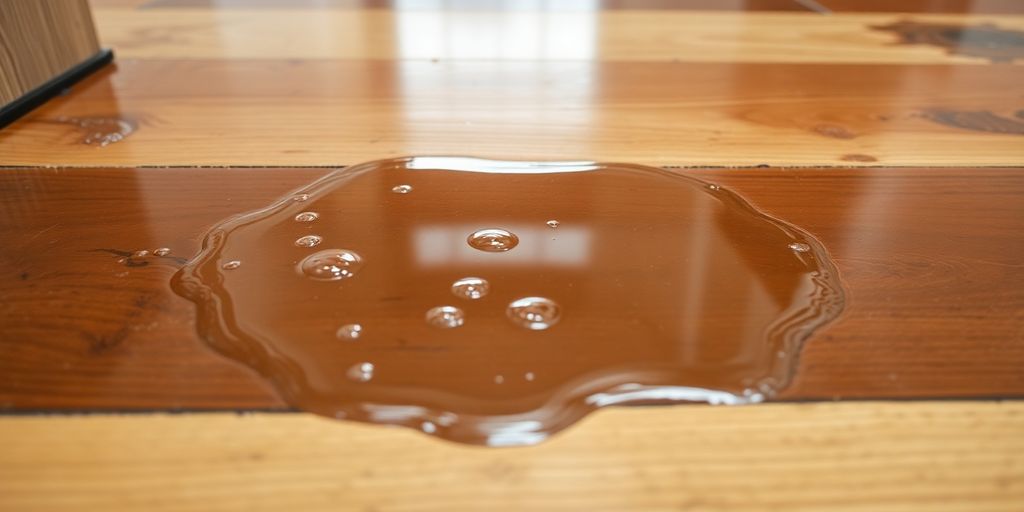
It’s never a good sign when you start noticing water where it shouldn’t be. If you’re seeing puddles or damp spots, it could be a sign of a hidden burst pipe. Don’t ignore these clues; acting fast can save you from major headaches down the road.
Finding puddles in your yard when it hasn’t rained recently? That’s a red flag. This could mean an underground pipe is leaking, saturating the soil and creating surface puddles. Keep an eye out for unusually wet patches, especially if they’re near your main water line. Sometimes, you might even notice certain areas of your lawn growing faster than others due to the extra water supply.
A damp basement is a common problem, but it could also point to a burst pipe. Check for moisture on the walls, floors, and around any exposed pipes. If you have a finished basement, pay attention to the carpet – dampness or a musty smell can indicate a hidden leak.
Don’t overlook wet spots near your sinks, toilets, washing machines, and water heaters. These areas are prone to leaks, and a persistent wet spot could mean a pipe has burst nearby. Check under sinks and behind appliances for any signs of moisture. If you find something, it’s time to call a plumber.
Ignoring these signs can lead to significant water damage, mold growth, and costly repairs. Regular inspections and prompt action are key to preventing further issues.
Here are some things to consider:
If you’ve noticed a persistent musty smell or discoloration, it might be more than just a cleaning issue; it could be a sign of a hidden burst pipe. Mold and mildew love damp environments, and a leaking pipe provides the perfect conditions for them to thrive. Ignoring these signs can lead to bigger problems, affecting both your home’s structure and your health. Let’s explore what to look for.
If you’re constantly battling mold in the same spots, like around your shower, under sinks, or in the basement, it’s time to investigate further. This recurring mold isn’t just a surface issue; it’s a symptom of an underlying moisture problem. Even after thorough cleaning, if the mold returns quickly, a hidden leak could be the culprit. Check for any discoloration or dampness in these areas, as they can indicate a water source fueling the mold growth.
Mold isn’t just unsightly; it can also affect your health. Exposure to mold spores can cause a range of symptoms, especially for those with allergies or asthma. These symptoms can include:
If you or your family members are experiencing these symptoms and you can’t pinpoint the cause, consider the possibility of hidden mold growth due to a burst pipe. It’s important to address both the mold and the water leak to improve your indoor air quality and protect your health.
Finding the source of mold can be tricky, especially if it’s hidden behind walls or under floors. Here are some steps you can take to locate hidden mold sources:
If you suspect a hidden burst pipe is causing mold growth, it’s best to call a professional plumber. They can locate and repair the leak, preventing further damage and mold growth. Ignoring the problem will only make it worse, leading to costly repairs and potential health issues.
If you notice dark spots on your walls, a musty smell, or water stains, these could be signs of mold and mildew. It’s important to act quickly to prevent health issues and damage to your home. For more tips on how to identify and deal with mold, visit our website today!
So, there you have it. If you notice any of those signs, like weird noises, damp spots, or even a spike in your water bill, don’t just brush it off. A hidden burst pipe can lead to some serious headaches down the road. It’s better to be safe than sorry. Turn off your main water supply, check for the leak, and if you can’t find it, call in a pro. Trust me, dealing with water damage is no fun, and it can get expensive fast. Keep an eye on your plumbing, and you’ll save yourself a lot of trouble later.
Signs of a burst pipe include strange noises from your plumbing, water stains on walls or ceilings, bad smells, high humidity, increased water bills, and wet spots around your home.
Look for damp spots on walls or floors, listen for dripping sounds, and check for mold growth. If your water bill suddenly goes up without explanation, that might also indicate a leak.
If you think there’s a burst pipe, turn off your main water supply immediately, check for visible leaks, and call a plumber to fix the problem.
Yes, a burst pipe can lead to moisture in walls and ceilings, which can create an environment for mold to grow.
To prevent burst pipes, make sure your home is properly insulated, especially in colder months, and regularly check for any signs of wear and tear in your plumbing.
It can be unsafe to stay in a house with a burst pipe due to the risk of water damage and mold growth. It’s best to address the issue quickly.