.png)



Dealing with a toilet overflow can be stressful, but knowing what to do can save you from a bigger mess. The key is to act fast and follow a few simple steps to stop the overflow and clean up effectively. In this article, we’ll guide you through immediate actions to take, cleanup tips, and how to prevent future problems. So, if your toilet is overflowing, here’s how to stop it immediately!

An overflowing toilet is never a pleasant surprise. It’s messy, potentially unhygienic, and can cause panic. But don’t worry, acting quickly and correctly can minimize the damage and stress. Here’s what you need to do immediately:
The very first thing you should do is stop the water flow. Look behind the toilet for a small valve connecting it to the wall. Turn this valve clockwise until it’s completely shut. This will prevent more water from entering the toilet bowl and adding to the overflow. It’s a simple step, but it can save you a lot of trouble. Don’t flush again, that will only make things worse!
After you’ve shut off the water supply, take the lid off the toilet tank (carefully!) and set it aside. Inside, you’ll see a rubber or silicone flapper at the bottom of the tank. This flapper seals the opening that releases water into the bowl when you flush.
Manually push the flapper down to ensure it’s tightly sealed. This will prevent any remaining water in the tank from flowing into the bowl and worsening the overflow. Sometimes the chain connecting the flush handle to the flapper can get stuck or tangled, preventing a proper seal. Make sure the chain is free and the flapper is sitting correctly.
Inside the tank, you’ll also find a float – it might be a ball or a cylinder. This float controls the water level in the tank. As the water rises, the float rises with it, eventually shutting off the water supply. If the float is stuck or malfunctioning, it can cause the tank to overfill and contribute to the overflow.
Here’s what to do:
Taking these immediate actions can significantly reduce the amount of water that spills out of your toilet, making the cleanup process much easier. Remember, quick thinking is key!
Okay, so the toilet’s stopped overflowing – that’s a win! But now you’re staring at a potentially gross mess. Don’t worry; it’s manageable. Here’s how to tackle the cleanup:
First things first, get that water off the floor. Excess water can cause damage if left unattended. Grab a mop and bucket, or some sturdy cloths, and start soaking up the spill. If you have a wet/dry vacuum, now’s its time to shine. Just be sure to clean and disinfect it afterward. Don’t forget to get into those corners and along the baseboards where water likes to hide.
Towels are your best friend here. After mopping, use old towels to soak up any remaining water. Press down firmly to absorb as much moisture as possible. Consider laying down a thick layer of towels, especially on porous surfaces like tile grout or carpet. Replace the towels as they become saturated. This helps prevent lingering dampness and potential mold growth.
Anything that came into contact with the overflowing toilet water needs to be handled carefully. This includes towels, mop heads, and any other cleaning materials. Seal these items in a plastic bag before tossing them in the trash.
Remember to wash your hands thoroughly with soap and water after handling any contaminated materials. It’s also a good idea to disinfect the area with a bleach solution or a disinfectant cleaner to kill any lingering bacteria.
Okay, so the toilet’s threatening to flood your bathroom. Don’t panic! Let’s talk about how to actually unclog the thing. It’s probably easier than you think, and you might not even need to call us at My Calgary Plumber (but we’re here if you do!).
First things first, grab your plunger. Not the little sink plunger, but the one with the flange that folds out – that’s the one made for toilets. Make sure there’s enough water in the bowl to cover the cup of the plunger. If there isn’t, add some. Now, here’s the trick: you’re not just pushing air. You want to create a seal and use suction.
Alright, the plunger didn’t work. Time to bring out the big guns: the toilet auger (also sometimes called a closet auger or toilet snake). This is a flexible tool with a corkscrew end designed to break up or retrieve clogs that are further down the drain.
If you’re not comfortable using an auger, or if you’ve tried it and still can’t clear the clog, it’s time to call a professional. You don’t want to risk damaging your toilet or plumbing.
Sometimes, the clog isn’t just a mass of toilet paper; it’s a foreign object. Kids are notorious for flushing things they shouldn’t. If you suspect something like this, and the plunger or auger aren’t working, you might have to get your hands dirty (literally). Wearing gloves, carefully reach into the toilet bowl and see if you can feel anything solid blocking the drain. If you can grab it, pull it out. But be careful – you don’t want to push it further down! If you can’t reach it, or if it’s too big to pull out, it’s definitely time to call My Calgary Plumber. We’ve seen it all, and we have the tools and expertise to handle even the most stubborn clogs without damaging your plumbing.
It’s happened to the best of us: that moment of panic when you see the toilet water rising, threatening to spill over. While knowing how to handle an overflow is important, preventing it in the first place is even better. Here’s how you can keep your toilet functioning smoothly and avoid those messy situations.
Think of your toilet like your car – it needs regular check-ups to run efficiently. A quick inspection every few months can save you from major headaches down the road.
This might seem obvious, but it’s a common culprit behind toilet clogs. Toilets are designed to handle human waste and toilet paper – nothing else.
Here’s a list of items that should never go down the toilet:
Flushing these items can cause serious clogs in your plumbing system, leading to overflows and potentially damaging your pipes. Dispose of them properly in a trash can.
For added peace of mind, consider installing a toilet backup prevention device. These devices are designed to automatically shut off the water supply to your toilet if a clog is detected, preventing overflows before they happen. It’s a small investment that can save you from a big mess and costly water damage. Talk to your plumber about the best options for your home.
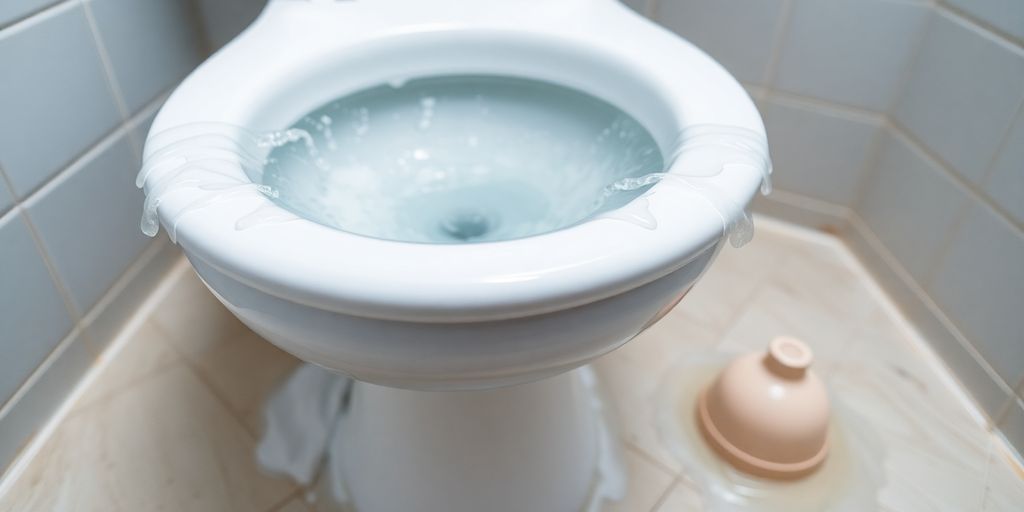
Let’s be honest, sometimes a plunger just isn’t going to cut it. Knowing when to throw in the towel and call in the pros at My Calgary Plumber can save you from bigger headaches (and potentially bigger bills) down the road. We’re here to help you figure out when it’s time to make that call.
Okay, so you’ve tried the basics, and the toilet is still acting up. Here are a few telltale signs that it’s time to bring in a professional plumber:
Sometimes, the problem isn’t just a simple clog; it’s something more complex. Here are a few plumbing issues that require professional attention:
Ignoring these signs can lead to bigger, more expensive problems down the line. It’s always better to be safe than sorry when it comes to your home’s plumbing.
We know that calling a plumber can be a bit daunting, especially when you’re worried about the cost. Here’s a quick rundown of what to expect:
Getting a professional to assess the situation can give you peace of mind and prevent further damage. Don’t hesitate to call My Calgary Plumber for an honest assessment and reliable service. We’re here to help!
Ever wonder what’s really going on when you flush? It’s more than just water swirling down a drain. The flushing mechanism is a clever system of levers, valves, and gravity all working together. When you press the handle, it lifts a chain connected to the flapper valve. This opens the valve, allowing water from the tank to rush into the bowl. The force of this water pushes the waste down the drain. Simultaneously, the float drops, signaling the fill valve to refill the tank once the flapper closes. Understanding this basic process can help you troubleshoot minor issues yourself.
Clogs are a common nuisance, and knowing what causes them can help you prevent them. Here are some frequent culprits:
Regular cleaning and mindful flushing habits can significantly reduce the risk of clogs. If you experience frequent clogs, it might be worth investigating your plumbing system for underlying issues.
The water level in your toilet tank and bowl is crucial for proper flushing. If the water level is too low, there won’t be enough force to effectively clear the bowl. If it’s too high, the toilet might overflow. The fill valve in the tank controls the water level. You can usually adjust it by tweaking the float mechanism. A properly adjusted water level ensures efficient flushing and prevents unnecessary water waste. Maintaining the correct water level is essential for optimal toilet performance.
Dealing with a toilet overflow is never fun, but your safety should always come first. It’s easy to rush through the cleanup, but taking the right precautions can protect you from potential health hazards. Let’s walk through the essential steps to ensure a safe and thorough cleanup.
Before you even think about grabbing a mop, gear up! Protective gear is non-negotiable when dealing with toilet overflows. Think of it as your first line of defense against bacteria and contaminants. Here’s what you should have:
Contaminated water from a toilet overflow poses a health risk. It’s important to handle it carefully to prevent the spread of bacteria and viruses. Here’s how:
Consider using a wet/dry vacuum to remove large amounts of water. If you do, be sure to disinfect the vacuum thoroughly afterward.
Once you’ve removed the excess water, it’s time to disinfect the affected area. Disinfecting is crucial to kill any remaining bacteria and prevent the growth of mold or mildew.
When cleaning up after a mess, it’s really important to stay safe. Always wear gloves and a mask to protect yourself from germs and dust. Make sure to keep sharp objects away from your hands and watch out for slippery floors. If you need help or want to learn more about safety tips, visit our website for more information!
So there you have it! If your toilet starts overflowing, don’t freak out. Just remember those quick steps: turn off the water, seal the flapper, and mop up the mess. It’s all about acting fast to prevent a bigger disaster. Once you’ve got things under control, you can tackle the clog or call in a pro if needed. Keeping a plunger handy is a smart move, too. With a little know-how, you can handle this situation like a champ. Stay calm, and you’ll be back to normal in no time!
The first thing you need to do is stop the water flow. You can do this by turning off the water supply valve, which is usually located near the bottom of the toilet.
To clean up, use a mop or towels to soak up the excess water. Make sure to dry the area quickly to prevent water damage.
The best way to unclog a toilet is to use a plunger. Make sure to use it correctly by placing it over the hole and pushing down firmly.
You should call a plumber if you can’t unclog the toilet after several tries or if there are multiple toilets overflowing in your home.
To prevent future overflows, regularly check your toilet for any issues, avoid flushing non-flushable items, and consider installing a backup prevention device.
When cleaning up after an overflow, wear gloves and protective gear to avoid contact with contaminated water, and disinfect the area afterward.