.png)



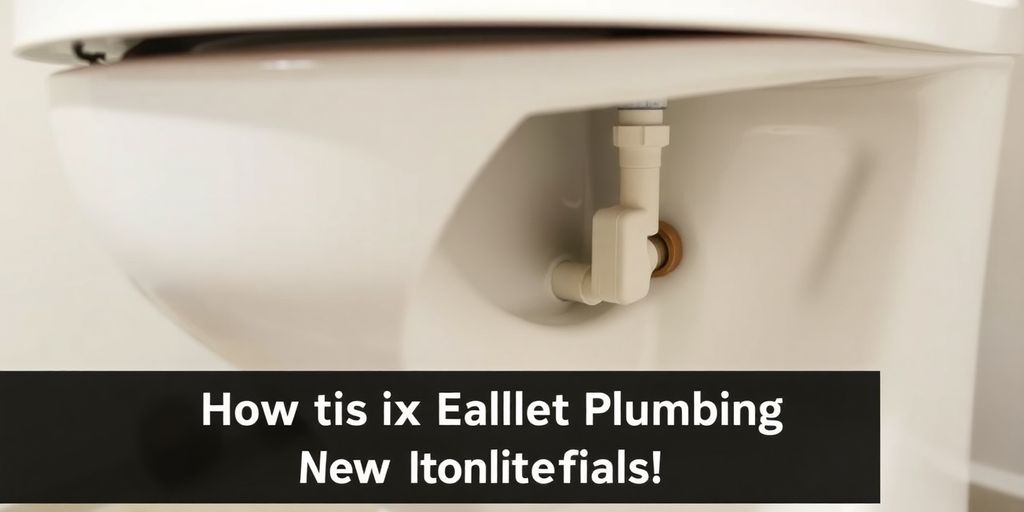
If your toilet isn’t flushing like it should, it can be a real hassle. A weak flush leaves you wondering if you need to flush again or if it’s time to call a plumber. Fortunately, there are several simple things you can check and fix yourself before reaching for the phone. Let’s dive into how to tackle this issue and get your toilet back to its full flushing power.
Before you start tearing apart your toilet, it’s important to figure out why it’s not flushing properly. A weak flush can stem from several issues, and identifying the root cause will save you time and frustration. Let’s explore some common culprits.
One of the most frequent reasons for a weak flush is a clog in the toilet’s trap. The trap is the curved section of the toilet that you can sometimes see at the back of the bowl. It’s designed to hold water, creating a seal that prevents sewer gases from entering your home. However, it’s also a prime location for clogs to form. A partial or complete blockage here will significantly reduce flushing power.
Take a close look at the small holes located under the rim of the toilet bowl. These are the rim jets, and they play a crucial role in creating the swirling action that helps to flush waste away. Over time, these jets can become clogged with mineral deposits or other debris, restricting water flow and weakening the flush.
The siphon jet is a larger opening located at the bottom of the toilet bowl. It’s responsible for initiating the siphoning action that empties the bowl during a flush. If this jet is partially blocked, it can significantly reduce the effectiveness of the flush.
Identifying the cause of your weak flush is the first step toward resolving the issue. By systematically checking for clogs in the trap, rim jets, and siphon jet, you can narrow down the problem and take appropriate action. If you’re unsure about any of these steps, don’t hesitate to call My Calgary Plumber for assistance. We’re here to help you get your toilet flushing like new again!
If your toilet’s flush is feeling a bit weak, the water level in the tank might be the culprit. It’s a pretty common issue, and thankfully, it’s usually a straightforward fix. Getting the water level just right can make a surprising difference in your toilet’s flushing power. Let’s walk through how to adjust it.
The fill valve is the tower-like component inside your toilet tank that controls when and how much water enters after a flush. It’s usually on the left side of the tank. Take a peek inside; you’ll see a float attached to it. This float is key to regulating the water level. Understanding where this valve is and how it works is the first step to fixing a weak flush.
The float tells the fill valve when to stop adding water. If it’s set too low, your tank won’t fill enough, leading to a weak flush. There are a couple of different types of floats:
Adjusting the float height is often a matter of trial and error. Make small adjustments and test the flush after each one to avoid overfilling, which can lead to water waste.
After you’ve adjusted the float, give your toilet a flush. Watch the water level in the tank as it refills. It should stop about an inch below the top of the overflow tube. If the water level looks good, and the flush is stronger, you’ve solved the problem! If not, repeat the adjustment process until you achieve the desired flush power. If you’re still having trouble, it might be time to consider other potential issues or give My Calgary Plumber a call.
Time to check the flapper! This part is super important because it controls how water goes from the tank to the bowl. If it’s not working right, you’ll definitely get a weak flush. Let’s get into it.
The flapper’s main job is to create a watertight seal at the bottom of the tank. When you flush, it lifts, water rushes into the bowl, and then it’s supposed to drop back down to seal things off so the tank can refill. If the seal isn’t tight, water leaks constantly, reducing the flushing power.
Here’s what to do:
If it looks off, try gently repositioning it. If that doesn’t work, it might be time for a new one.
Over time, the rubber on the flapper can get old and lose its flexibility. This means it won’t seal properly, and you’ll get that annoying weak flush. Replacing it is usually a pretty easy fix.
Here’s how:
Make sure you get the right size flapper for your toilet model. A mismatch can cause even more problems.
The chain connecting the flush handle to the flapper is another potential culprit. If it’s too long, it can get caught or tangled, preventing the flapper from sealing properly. If it’s too short, it might not allow the flapper to lift high enough for a good flush.
Here’s what to look for:
Adjust the chain by removing a link or two if it’s too long, or by reattaching it to a different hole on the flush lever. The goal is to find the sweet spot where the flapper lifts fully and seals properly. If you’re still having trouble, don’t hesitate to call My Calgary Plumber. We’re here to help!
If you’ve noticed your toilet isn’t flushing with the same vigor it used to, the problem might not be in the tank itself. Often, the culprit is right under your nose – or, more accurately, under the rim of your toilet bowl. Over time, mineral deposits can build up in the small holes (rim jets) that release water when you flush. This buildup restricts water flow, leading to a weak, ineffective flush. Here’s how to tackle this issue:
Start with a good quality toilet bowl cleaner designed to dissolve mineral deposits. These cleaners typically contain acids that break down calcium and lime buildup. Follow these steps:
After letting the cleaner soak, it’s time to get hands-on. You’ll need a small brush – a toilet brush or even an old toothbrush will work. Focus on scrubbing each individual rim jet to dislodge any remaining mineral deposits. For particularly stubborn blockages, try using a wire or a needle to gently poke into the jets and break up the buildup. Be careful not to damage the jets themselves.
Once you’ve scrubbed the rim jets, turn the water supply back on and let the tank refill. Flush the toilet and observe the water flow from under the rim. It should now be stronger and more even. If some jets are still blocked, repeat the cleaning and scrubbing process. You might need to do this a few times to completely clear all the deposits.
If you find that mineral deposits are a recurring problem, consider using a toilet bowl cleaner regularly as part of your cleaning routine. Also, you might want to check the hardness of your water, as hard water contains more minerals that can lead to buildup. A water softener can help reduce mineral content and prevent future problems.
If you’ve tried these steps and your toilet is still flushing weakly, it might be time to call in a professional. My Calgary Plumber is here to help with any plumbing issues, big or small. Give us a call, and we’ll get your toilet flushing like new again!
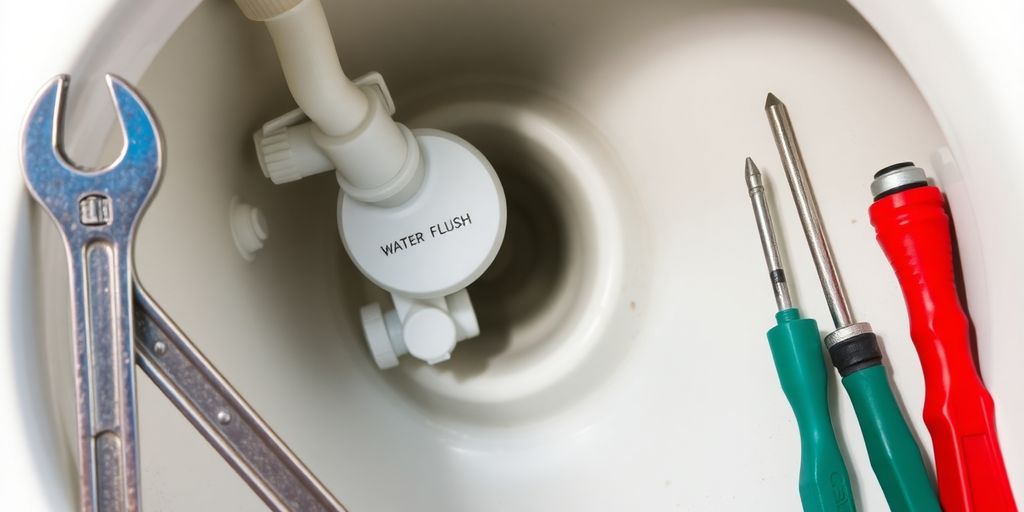
Sometimes, the simplest solution is the one staring you right in the face. Before you get too deep into toilet surgery, let’s make sure the water supply valve is fully open. It’s surprising how often this gets overlooked!
The water valve is usually located on the wall behind the toilet, near the floor. It’s the point where the water supply pipe connects to your toilet tank. It should have a handle or knob that you can turn.
The valve should be fully open to allow maximum water flow into the tank. Turn the handle counterclockwise as far as it will go. If it feels stiff, don’t force it, but do make sure it’s not partially closed. A partially closed valve restricts the amount of water that can refill the tank after a flush, leading to a weak flush.
If the valve is old or corroded, it might not be opening fully even when the handle is turned all the way. In this case, you might need to replace the valve entirely. It’s a pretty straightforward plumbing job, but if you’re not comfortable with basic plumbing, it’s best to call a professional. Restricting water flow can be a sneaky culprit, so don’t skip this step!
It’s a good idea to periodically check all the shut-off valves in your home, including the one for your toilet. This ensures they don’t become seized or corroded, which can be a real headache in an emergency.
Here’s a quick checklist:
Sometimes, despite your best efforts, a persistently weak toilet flush requires the attention of a professional. It’s not always something you can tackle on your own, and that’s perfectly okay. Knowing when to call in the experts can save you time, money, and a whole lot of frustration.
If you’ve tried all the DIY solutions – checking for clogs, adjusting the water level, examining the flapper, clearing mineral deposits, and ensuring adequate water supply – and your toilet is still flushing weakly, it’s time to consider professional help. Persistent problems often indicate deeper issues within your plumbing system that require specialized tools and knowledge to diagnose and fix. Other signs you need a plumber include:
A professional plumber brings a level of expertise that can quickly identify the root cause of your weak flushing problem. They have the tools and experience to:
Calling My Calgary Plumber means you’re getting someone who knows local plumbing systems inside and out. We can quickly assess the situation, offer a clear explanation of the problem, and provide a reliable solution that gets your toilet flushing properly again.
To avoid future toilet troubles and keep your plumbing in good shape, consider these preventive measures:
Don’t let a weak flushing toilet disrupt your day. If you’ve exhausted the DIY options, give My Calgary Plumber a call. We’re here to help you get your plumbing back in top shape!
If you’re feeling overwhelmed by plumbing issues, it might be time to reach out for professional help. Our team is ready to assist you with any plumbing problem, big or small. Don’t hesitate to visit our website for more information and to schedule a consultation today!
So there you have it! If your toilet’s flush is feeling weak, don’t just sit there and let it be a problem. You can tackle this issue with a few simple fixes. Check for clogs, adjust the float, or clean those rim jets. Most of the time, these steps will do the trick and get your toilet back to flushing like new. But if you’ve tried everything and it’s still not working, it might be time to call in a pro. Remember, keeping an eye on your toilet and doing regular maintenance can save you from bigger headaches down the road. So, roll up your sleeves and get to work—your toilet will thank you!
A weak toilet flush can happen for several reasons. It might be due to clogs in the pipes, low water levels in the tank, or issues with the flapper or rim jets.
You can check for clogs by using a plunger or a plumber’s snake. If water isn’t flowing well, there may be a blockage in the trap or waste pipe.
To adjust the water level, locate the fill valve and adjust the float height. Make sure the water level is about one inch below the overflow tube.
If the flapper is worn out, you should replace it. A damaged flapper can cause water to leak, leading to a weak flush.
You can clean the rim jets by using a toilet cleaner and a brush. Scrub around the holes to remove any mineral deposits that may be blocking water flow.
If you’ve tried fixing the problem yourself and the flush is still weak, it might be time to call a plumber. They can help identify and fix more complex issues.