.png)



Finding black mold in your toilet bowl can be unsettling. It’s not just an eyesore; it can also indicate underlying issues in your bathroom. Understanding what causes this mold and how to remove it is essential for maintaining a healthy home. In this article, we’ll explore the reasons behind mold growth, the different types of mold you might encounter, and effective methods for removal and prevention.
Discovering black mold in your toilet bowl can be unsettling. It’s important to understand what causes it, how to identify it, and the potential health risks involved. As your trusted Calgary plumber, we’re here to guide you through this issue and help you maintain a healthy home.
Toilets provide an ideal environment for mold growth due to their constant exposure to moisture and humidity. Mold spores are everywhere, but they need the right conditions to thrive. Here are some common factors that contribute to mold in your toilet:
Identifying mold early can prevent it from becoming a bigger problem. Here are some signs to look for:
While not all molds are toxic, some can pose health risks, especially for individuals with allergies or respiratory issues. It’s important to address mold growth promptly to minimize potential health problems. Here are some potential health risks associated with toilet mold:
It’s important to note that the severity of health effects can vary depending on the type of mold, the level of exposure, and individual sensitivities. If you suspect you’re experiencing health problems due to mold exposure, consult a healthcare professional.
If you’re concerned about mold in your toilet or bathroom, don’t hesitate to contact My Calgary Plumber. We can help you identify the source of the problem and provide effective solutions to eliminate mold and prevent it from returning. Your health and safety are our top priorities.
It’s easy to assume any discoloration in your toilet is black mold, but that’s not always the case. Different types of mold can appear, each with its own characteristics. Knowing what you’re dealing with is the first step in tackling the problem effectively. Let’s break down some common culprits you might find lurking in your toilet bowl.
When people talk about mold, black mold is often the first thing that comes to mind. It’s important to note that not all black-colored mold is the dangerous Stachybotrys chartarum, but it’s still something you want to address promptly.
Black mold is often associated with more serious health concerns, so it’s understandable to be worried if you spot it. However, proper identification and remediation are key to resolving the issue.
Technically, pink mold isn’t actually mold. It’s a bacterium called Serratia marcescens. However, it often gets mistaken for mold due to its appearance and the environments where it thrives. It’s pretty common in bathrooms, especially in areas that are frequently damp.
Similar to pink mold, red mold is often a bacterium rather than a true mold. It can appear as reddish or orange discoloration in your toilet bowl or tank. While it might not be as infamous as black mold, it’s still important to clean it up.
Knowing the type of mold (or bacteria) you’re dealing with helps you choose the right cleaning approach. If you’re unsure, it’s always a good idea to consult with a professional to ensure proper identification and remediation.
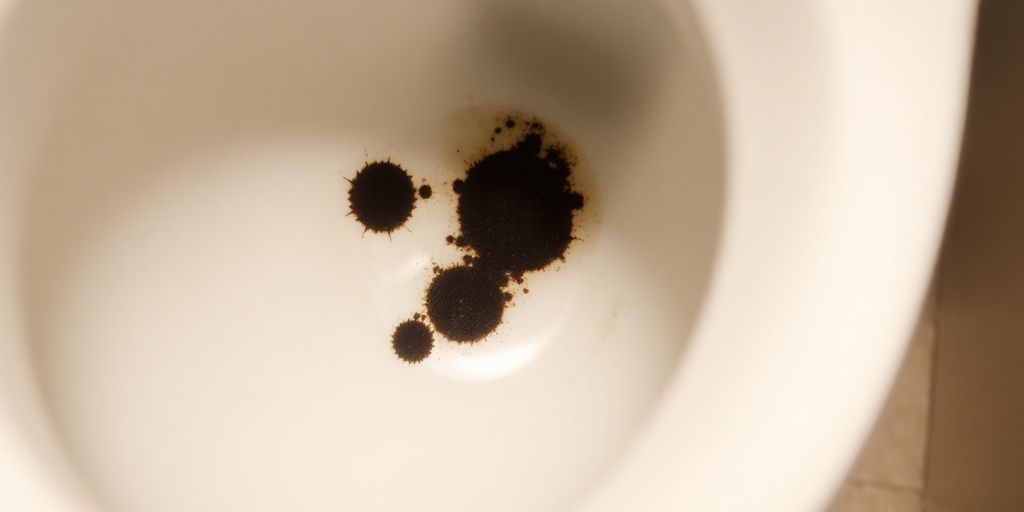
Alright, so you’ve spotted some mold in your toilet bowl. Don’t panic! It’s a common problem, and you can tackle it yourself with a bit of elbow grease and the right approach. Let’s get into how you can safely and effectively remove that unsightly mold.
Okay, let’s get down to the nitty-gritty. Here’s a straightforward process to get rid of that mold. First, safety first! Grab some gloves and maybe a mask to avoid breathing in any spores.
Prefer to keep things au naturel? You’re in luck! Several natural solutions can be surprisingly effective against toilet bowl mold.
Natural solutions might require a bit more elbow grease than commercial cleaners, but they’re gentler on the environment and your lungs. Plus, you probably already have these ingredients at home!
If you’re opting for a commercial cleaner, there are a few things to keep in mind to use them safely and effectively.
Remember, prevention is better than cure. Once you’ve removed the mold, take steps to prevent it from coming back. Regular cleaning, good ventilation, and addressing any leaks will go a long way.
To keep mold at bay, regular cleaning is essential. Aim to clean your toilet at least once a week. This prevents mold from establishing itself. Make it a part of your routine, like laundry or dishes. A quick scrub can save you from bigger problems later. Don’t forget to clean under the rim and around the jets where water flows. These are prime spots for mold to start.
Good ventilation is key to preventing mold. Mold thrives in damp environments, so reducing moisture is crucial. Always use the exhaust fan when showering or bathing. If you have a window in your bathroom, open it to let fresh air circulate.
Proper ventilation helps remove excess moisture, making it harder for mold to grow. Think of it as airing out your home to prevent mustiness.
Leaks and constant moisture are mold’s best friends. Check your toilet regularly for any signs of leaks around the base, the tank, or the supply line. Even small drips can create enough moisture for mold to take hold. If you find a leak, fix it immediately. Don’t put it off, as it will only get worse. Also, make sure there’s no condensation forming on the outside of the tank. If there is, consider insulating it to prevent moisture buildup.
Here’s a quick checklist for moisture control:
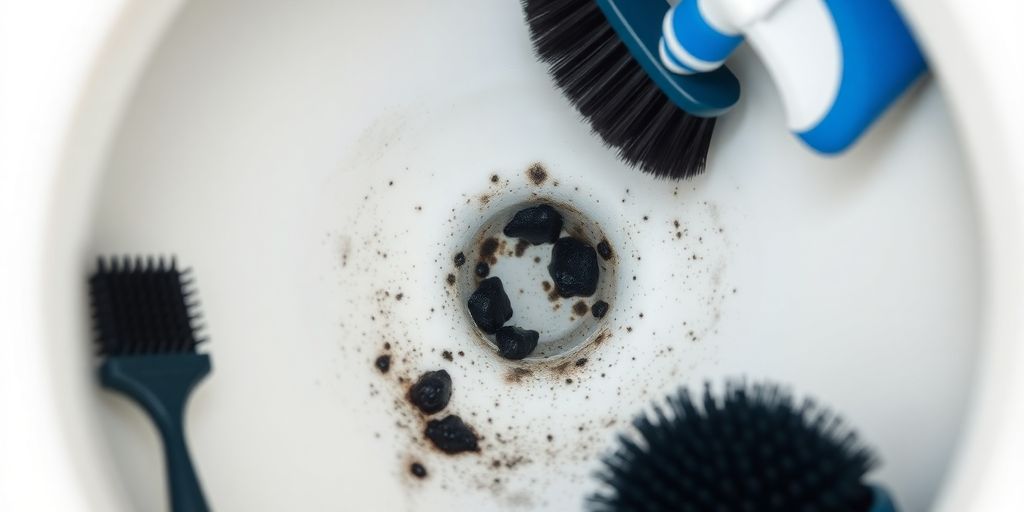
Sometimes, dealing with mold in your toilet bowl goes beyond a simple DIY job. Knowing when to call in the pros can save you time, stress, and potential health issues. If you’re unsure, it’s always best to err on the side of caution and get a professional opinion. We at My Calgary Plumber are always ready to help.
Mold problems can sometimes indicate bigger issues, like hidden leaks or poor ventilation. Ignoring these problems can lead to structural damage and health problems down the road. It’s better to address them early.
When you call a mold remediation service like My Calgary Plumber, here’s what typically happens:
The cost of mold removal can vary depending on several factors:
While DIY solutions might seem cheaper initially, they can end up costing you more in the long run if the mold problem isn’t properly addressed. Professional mold remediation ensures the mold is completely removed and the underlying moisture problem is fixed, preventing future growth. At My Calgary Plumber, we provide transparent pricing and work with you to find the best solution for your budget. Investing in professional mold removal is an investment in your health and the safety of your home.
If you’re facing plumbing issues that seem too big to handle, it’s time to call in the experts. Signs like constant leaks, strange noises, or water damage can mean you need professional help. Don’t wait until things get worse! Visit our website to learn more about how we can assist you with your plumbing needs.
Dealing with black mold in your toilet bowl can feel overwhelming, but it doesn’t have to be. Regular cleaning and proper ventilation are key to keeping mold at bay. If you find yourself facing a mold problem, don’t panic—just follow the steps we discussed. Whether you choose natural solutions like baking soda and vinegar or go for commercial cleaners, the important thing is to act quickly. Remember, if the mold keeps coming back or if it seems out of control, it might be time to call in the pros. Your health and comfort are worth it, so don’t hesitate to reach out for help. Keep your bathroom clean and dry, and you’ll be well on your way to a mold-free toilet!
Mold grows in toilet bowls mainly because of moisture and humidity. If the bathroom is damp or if the toilet isn’t cleaned often, mold can appear.
To stop mold from growing, clean your toilet regularly, flush after each use, and make sure your bathroom is well-ventilated.
Black mold can be harmful to your health. It can cause allergies and other respiratory issues, so it’s best to clean it up quickly.
You can scrub under the rim with a mixture of vinegar and baking soda or use a commercial cleaner specifically made for mold.
Flushing mold may not completely remove it and could spread spores in your plumbing. It’s better to clean it out manually.
While urine itself doesn’t directly cause mold, if there’s a lot of sugar in it, it can create an environment that might encourage mold to grow.