.png)




If you’re a homeowner, you know how crucial a sump pump is for keeping your basement dry. But when it starts acting up, you might wonder, “Should I repair or replace my sump pump?” This guide will help you weigh your options, considering the costs and lifespan of your pump. We’ll cover everything from understanding how sump pumps work to recognizing when it’s time to say goodbye to your old unit and invest in a new one.
Alright, let’s get down to basics. You might have heard the term sump pump thrown around, especially if you live in an area prone to wet basements or flooding. A sump pump is essentially your home’s defense against water damage. It’s a device installed in the lowest part of your basement or crawlspace, in a specially constructed pit (the sump). Its primary job? To pump water out and away from your foundation, preventing flooding and the headaches that come with it, like mold and mildew.
So, how does this thing actually do its job? It’s pretty straightforward. The sump pump sits in the pit, and as water accumulates from rain, melting snow, or even a high water table, the pump kicks into action. Most pumps have a float activator arm or a pressure sensor. When the water level rises to a certain point, the float rises (like in your toilet tank), triggering the pump to turn on. The pump then sucks the water out of the pit through a discharge pipe that leads outside, directing the water away from your home. Once the water level drops, the pump shuts off until the next time water accumulates. It’s a simple but effective system.
When it comes to sump pumps, you’ve mainly got two options to consider:
Choosing the right type depends on your specific needs and budget. Things to consider include the size of your sump pit, how much water you typically need to pump out, and how often the pump will be running. A professional can help you assess your situation and recommend the best option for your home.
Think of your sump pump as an insurance policy against water damage. It’s there to protect your home and belongings from the costly and stressful consequences of flooding. Regular maintenance and timely repairs or replacements are key to keeping this important safeguard in top working order.
Let’s talk money. When it comes to sump pumps, understanding the costs involved in both repair and replacement is essential for making a smart decision. You want to protect your home without breaking the bank, right? Here’s a breakdown to help you figure it all out.
So, your sump pump is acting up. Before you panic and think about a full replacement, let’s consider the repair route. Repairing a sump pump can be a more budget-friendly option, but it really depends on what’s wrong. The average cost to repair a sump pump typically ranges from $200 to $870, but this can vary.
Here are some factors that influence the final price:
Okay, so maybe repairs aren’t cutting it, or your pump is just too old. Replacing a sump pump is a bigger investment upfront, but it might save you money in the long run. A new sump pump, including installation, can range from a few hundred to over a thousand dollars.
Here’s what to keep in mind:
Think beyond the immediate cost. A cheap pump might save you money now, but it could fail sooner and cost you more in the long run. Investing in a quality sump pump with a good warranty can provide peace of mind and prevent costly water damage.
Consider these points:
Choosing between repairing and replacing your sump pump isn’t just about the initial price tag. It’s about weighing the long-term costs, the potential risks, and the overall value you’ll get from your investment. Don’t hesitate to get a professional opinion to help you make the right choice for your home and your budget.
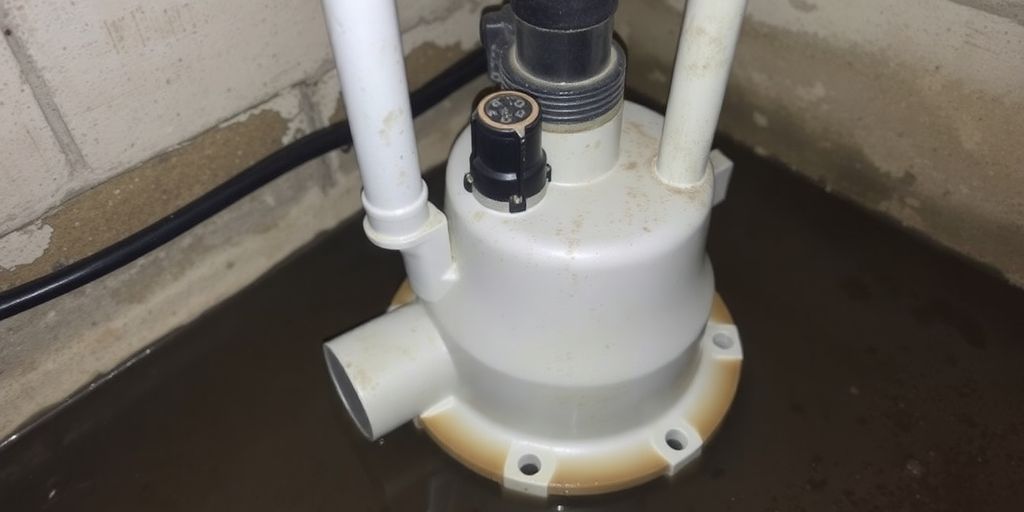
Like any hardworking appliance, your sump pump will eventually show signs that it needs some attention. Ignoring these signs can lead to bigger problems, like a flooded basement. Here’s what to watch out for:
If you notice your sump pump turning on and off more often than usual, it’s a red flag. This frequent cycling could mean the pump is struggling to keep up with the water level, or it could indicate a problem with the float switch. Several factors can cause this, such as a faulty switch or a partially clogged discharge pipe. It’s like a car that keeps stalling – something isn’t right, and it needs to be checked out.
On the flip side, if your sump pump is running constantly, that’s also a cause for concern. It might seem like it’s doing its job, but continuous operation can quickly wear out the motor and lead to premature failure. This can be due to:
A sump pump running constantly is like a car engine running at high RPMs all the time – it’s going to break down sooner rather than later.
Take a good look at your sump pump. Do you see any signs of rust? Are there cracks or damage to the pump housing? Visible wear and tear is a clear indication that the pump is nearing the end of its lifespan. Rust, in particular, can weaken the pump’s components and make it less effective. Other things to look for include:
If you spot any of these signs, it’s time to call in a professional to assess the situation. Ignoring these warning signs could leave you with a flooded basement and a much bigger headache.
If your sump pump is acting up, you might be wondering if it’s time for a full replacement. But hold on! Sometimes, a repair can get you back in business without the bigger expense of a new unit. Let’s explore when fixing your current pump is the smarter move.
Got a sump pump that’s not quite running right? Maybe it’s making weird noises or just not pumping as strongly as it used to. Often, these problems come down to simple fixes like a clogged impeller or a wonky float switch. You might be able to clear out debris yourself, but if you’re not comfortable tinkering, a plumber can usually sort these things out pretty quickly and cheaply.
Is your sump pump refusing to turn on at all? Before you panic, check the basics. Is it plugged in? Has a circuit breaker tripped? Sometimes, the issue is as simple as resetting a breaker. If the pump still won’t start, there could be a problem with the power cord or the outlet itself. An electrician can diagnose and repair these electrical issues, potentially saving you from replacing the entire pump.
Is your sump pump turning on and off way too frequently? This “short cycling” can wear out your pump quickly and is often caused by a couple of things. A common culprit is a malfunctioning check valve, which prevents water from flowing back into the sump pit after the pump shuts off. Another possibility is a clogged discharge line. Clearing the clog or replacing the check valve might be all you need to do.
Addressing short cycling promptly is important. The constant starting and stopping puts extra strain on the motor, shortening the pump’s lifespan and potentially leading to more serious problems down the road.
It’s a fact of life: sump pumps don’t last forever. Knowing when to replace yours can save you from a flooded basement and a major headache. Let’s explore some key indicators that it’s time for a new sump pump.
As a general rule, sump pumps should be replaced every 7 to 10 years. Think of it like this: even if it seems to be working fine, the internal components are wearing down. It’s better to be proactive than reactive. If you’re unsure how old your pump is, check the manufacture date on the unit itself. If that’s not possible, a professional plumber can assess its age and condition.
Replacing an older pump, even if it’s still running, is a smart preventative measure. Newer models are often more energy-efficient and offer improved performance, giving you peace of mind.
When your sump pump starts experiencing significant mechanical issues, it’s often more cost-effective to replace it rather than repair it. Here are some common failures to watch out for:
Trying to fix these problems can be expensive, and there’s no guarantee that other parts won’t fail soon after. A new pump offers a fresh start and reliable protection.
Is your sump pump struggling to keep up with the water flow in your basement? If it’s constantly running or frequently cycling on and off, it might be too small for the job. An undersized pump can lead to flooding during heavy rains or snowmelts. Consider these factors when determining if you need a larger pump:
Upgrading to a larger, more powerful sump pump can provide better protection and prevent costly water damage. Don’t wait until you have a flood to realize your pump isn’t up to the task.
It’s easy to forget about your sump pump until you really need it. But just like your car, a little regular attention can go a long way in keeping it running smoothly and preventing costly problems down the road. Think of it as an investment in peace of mind, especially with Calgary’s unpredictable weather.
Think of these as your pump’s quick physical. You don’t need to be a plumber to do them, and they can save you a lot of trouble. Here’s a simple checklist:
Doing these simple checks every few months can help you spot potential problems before they become emergencies. It’s a small time investment that can save you from a flooded basement.
Beyond the basic check-ups, a more thorough cleaning and inspection once or twice a year is a good idea. This involves getting your hands a little dirty, but it’s worth it.
Even with regular check-ups and cleaning, it’s still a good idea to have your sump pump professionally serviced at least once a year. A qualified plumber can catch problems that you might miss and perform more in-depth maintenance.
Here’s what a professional might do:
Consider a maintenance plan. Some plumbing companies, like My Calgary Plumber, offer annual maintenance plans that include regular inspections, cleaning, and testing. This can give you peace of mind knowing that your sump pump is always in good hands. The cost of sump pump maintenance is about $100 to $250 per year, but it can save you from much bigger expenses down the road.
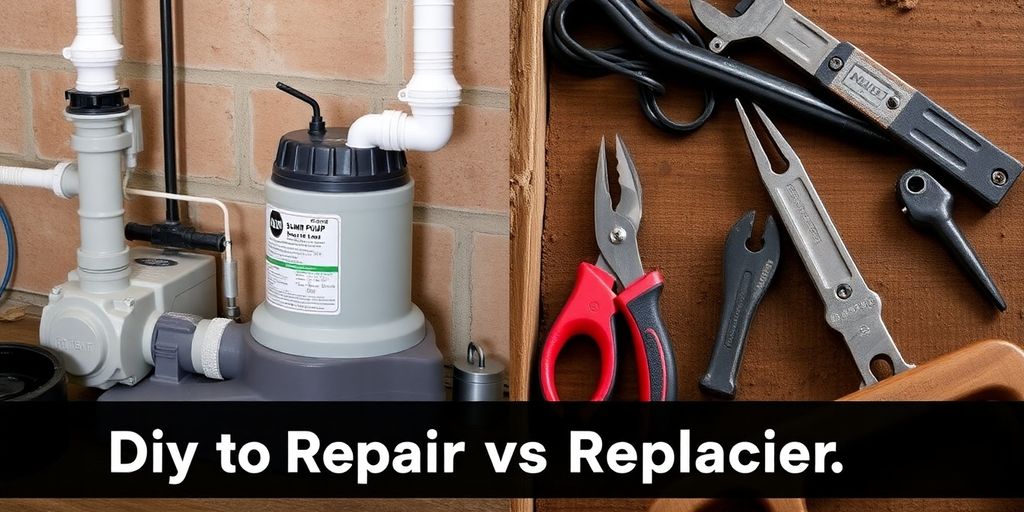
So, you’re thinking about replacing your sump pump yourself? That’s admirable! But before you grab your tools, let’s be real about your skill level. Replacing a sump pump isn’t rocket science, but it’s not exactly Lego building either. Have you done any plumbing before? Are you comfortable working with electricity? If the answer to either of those is a resounding “no,” it might be time to reconsider.
Okay, so you’re feeling confident. Great! Now, let’s talk tools. You’re going to need more than just a wrench and a can-do attitude. Here’s a basic list:
Don’t forget safety gear like gloves and eye protection. And if you’re dealing with a hard-wired pump, you’ll need electrical testing equipment and the knowledge to use it safely. If you’re missing any of these, the cost of buying them might make professional installation look more appealing.
Alright, let’s be honest with ourselves. There are times when DIY just isn’t the answer. Here are a few scenarios where calling a professional plumber, like us here at My Calgary Plumber, is the smartest move:
Ultimately, the decision to DIY or hire a pro depends on your skills, comfort level, and the complexity of the job. If you’re even slightly unsure, it’s always best to err on the side of caution and call a professional. It could save you time, money, and a whole lot of headaches in the long run. Plus, with My Calgary Plumber, you know you’re getting reliable service from experienced professionals. Give us a call today for a free consultation!
When it comes to replacing something in your home, you have two choices: do it yourself or hire a pro. DIY can save you money, but it might take more time and effort. On the other hand, a professional can get the job done quickly and correctly, which can save you from future headaches. If you’re unsure about what to do, check out our website for more tips and help!
Deciding whether to repair or replace your sump pump can feel overwhelming, but it doesn’t have to be. If your pump is nearing the ten-year mark, showing signs of wear, or struggling to keep up with water flow, it might be time to consider a replacement. Sure, repairs can seem cheaper in the short run, but if your pump is old or frequently breaking down, you could end up spending more in the long haul. Always weigh the costs and think about the potential damage a failing pump could cause. If you’re unsure, getting a professional opinion can help clarify your options. Remember, a reliable sump pump is key to keeping your home safe and dry, so don’t wait until it’s too late!
A sump pump is a device that helps keep your basement or crawl space dry by pumping out excess water.
Most sump pumps last about 7 to 10 years, depending on how often they are used and how well they are maintained.
Repair costs can vary, but on average, it might cost between $300 to $750 to fix a sump pump.
You should think about replacing your sump pump if it’s over 10 years old, has major issues, or if it’s not powerful enough for your needs.
Yes, you can install a sump pump yourself if you have the right tools and skills, but it might be easier to hire a professional.
Regular maintenance includes checking the pump, cleaning the sump pit, and ensuring the discharge pipe is clear.