.png)




If you’ve noticed a foul sewer smell coming from your toilet, you’re not alone. This unpleasant odor can be a sign of various plumbing issues that need your attention. Ignoring it could lead to bigger problems down the line, so it’s important to understand what might be causing the smell and how to address it. In this article, we’ll explore the reasons behind that pesky sewer smell and what you can do about it.
That awful sewer smell wafting through your bathroom? It’s more common than you might think, and definitely something you shouldn’t ignore. Let’s break down what’s going on and why it’s happening.
Sewer gas is a complex mixture of gases that are produced during the decomposition of organic waste. Methane and hydrogen sulfide are key components, and they’re what give sewer gas its characteristic rotten egg smell. While low concentrations might just be unpleasant, higher levels can pose health risks. It’s not something to take lightly.
Beyond the obvious bad smell, there are other clues that you might have sewer gas leaking into your bathroom:
Ignoring that sewer smell isn’t a good idea. Sewer gas can be harmful to your health in high concentrations, causing symptoms like nausea, headaches, and dizziness. Plus, it often indicates an underlying plumbing issue that could lead to bigger, more expensive problems down the road. Think of it as your plumbing system’s way of waving a red flag – it’s time to investigate!
Addressing sewer smells promptly can prevent potential health hazards and costly repairs. It’s a matter of maintaining a safe and functional home environment.
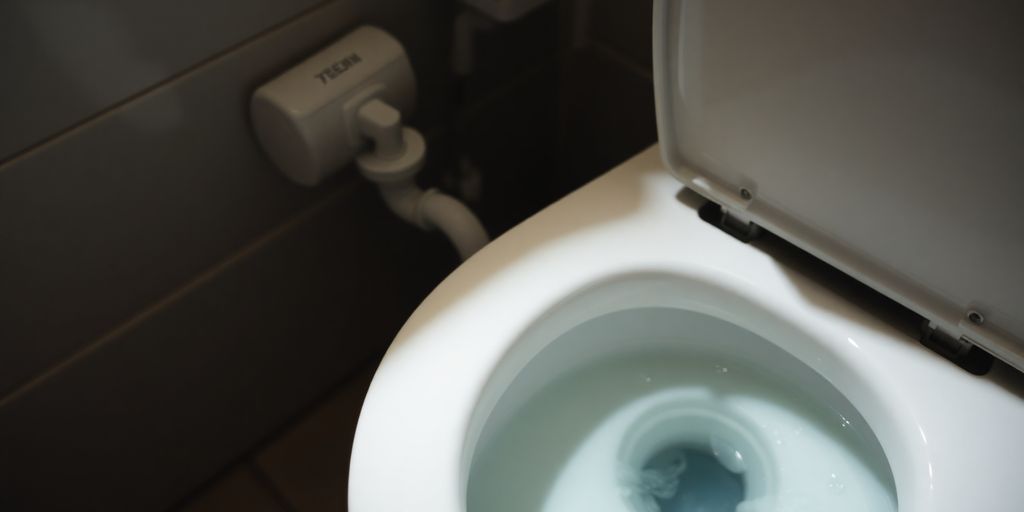
Okay, so you’ve noticed that lovely sewer aroma wafting through your bathroom. Before you panic, let’s play detective and figure out where it’s coming from. Pinpointing the source is half the battle! It might seem daunting, but with a little investigation, you can usually track down the culprit.
Ever wonder about that U-shaped pipe under your sink? That’s the P-trap, and it’s a hero. It’s designed to trap water, creating a seal that prevents sewer gases from backing up into your home. If it dries out – which can happen if a sink or shower isn’t used for a while – that seal disappears, and voila, sewer smell!
The wax ring (or rubber alternative) at the base of your toilet creates a seal between the toilet and the drainpipe. Over time, this seal can degrade, crack, or become dislodged, allowing sewer gases to escape. This is a pretty common issue, especially in older homes.
Your plumbing system has vent pipes that extend to the roof. These pipes allow air to enter the system, which helps wastewater flow properly and prevents vacuums from sucking water out of your P-traps. If these pipes become blocked by leaves, debris, or even a bird’s nest, it can disrupt the airflow and cause sewer gases to be drawn back into your home.
Identifying the source of the sewer smell is the first step toward resolving the issue. Don’t ignore it, as sewer gases can be harmful. Once you’ve pinpointed the problem, you can explore DIY solutions or call in a professional for assistance.
If you’re noticing a persistent sewer smell in your bathroom, it’s important to understand the potential causes. Ignoring the issue can lead to bigger problems down the road, so let’s explore some common culprits.
The moist environment of your bathroom can become a breeding ground for bacteria. This bacteria can thrive in drains and under the toilet bowl, leading to unpleasant odors. Regular cleaning with a bleach solution can help combat this issue, but sometimes, professional drain cleaning is necessary to fully eliminate the source.
If your home uses a septic system, a full tank can definitely cause sewer smells to back up into your house. When the tank is too full, it can’t properly process waste, leading to the release of gases through your plumbing. Regular septic tank pumping is crucial to prevent this. How often you need to pump depends on the size of your tank and the number of people in your household. Here’s a general guideline:
A sewer backup is one of the most serious causes of sewer smells. It happens when there’s a blockage in the main sewer line, causing waste to flow back into your home. This can be caused by tree roots, collapsed pipes, or even just a build-up of debris.
Dealing with a sewer backup can be messy and potentially hazardous. It’s important to address the issue quickly to minimize damage and prevent health risks. Contacting a professional plumber is usually the best course of action in these situations.
Sometimes, you can tackle that nasty sewer smell yourself without calling in a plumber. Let’s look at some common issues and how you might fix them.
That sewer gas smell might be coming from a P-trap that has dried out. This is especially common in guest bathrooms or infrequently used sinks. The P-trap is the curved pipe under your sink that’s supposed to hold water, creating a seal that prevents sewer gases from entering your home. If the water evaporates, the seal is broken, and you get that unpleasant odor.
To fix this, simply:
It’s a good idea to periodically run water down all your drains, even if you don’t use them regularly, to prevent the P-trap from drying out.
Your home’s plumbing system has vent pipes that allow air to enter and exit, maintaining proper pressure and preventing sewer gases from building up. If these pipes become blocked by leaves, debris, or even bird nests, it can cause sewer smells to enter your home.
Here’s how you can try to clear a blocked vent pipe:
If the wax ring or seal around your toilet is damaged or worn out, it can allow sewer gases to escape into your bathroom. This is a common problem, especially in older homes.
Here’s what you can do:
Replacing a toilet wax ring can be a bit tricky, so if you’re not comfortable doing it yourself, it’s best to call a plumber. A properly sealed toilet is crucial for preventing sewer smells and water damage.
Sometimes, despite your best efforts, the sewer smell persists. Knowing when to throw in the towel and call in a professional plumber is important. Ignoring the problem could lead to bigger, more expensive issues down the road. Plus, some problems are just too complex for a DIY approach. Let’s look at when it’s time to bring in the experts.
There are several telltale signs that indicate it’s time to call My Calgary Plumber. Don’t wait until the problem becomes an emergency!
Ignoring a sewer smell isn’t just about dealing with an unpleasant odor. There are potential risks to your health and home. Sewer gas contains methane, hydrogen sulfide, and ammonia, which can be harmful in high concentrations. Prolonged exposure can cause:
Beyond the health risks, sewer gas can also be flammable and explosive. A buildup of sewer gas in your home creates a dangerous situation. Additionally, the underlying plumbing issues causing the smell can lead to water damage and costly repairs if left unaddressed.
When you call My Calgary Plumber, you can expect a thorough inspection to identify the source of the sewer smell. Here’s what typically happens:
Okay, so you’ve tackled that nasty sewer smell. Great! But nobody wants a repeat performance. Let’s talk about keeping those odors away for good. It’s all about consistent care and knowing what to watch out for. A little prevention goes a long way in avoiding future plumbing headaches.
Think of your plumbing like you think of your car – it needs regular check-ups! Here’s a few things you can do:
Regular maintenance is the key to preventing most plumbing issues. A little effort now can save you a lot of trouble (and money) later.
The P-trap is your first line of defense against sewer gas. If it dries out, those smells come right up. Here’s how to keep it doing its job:
Your toilet can be a source of sewer smells if it’s not properly maintained. Here’s how to keep it fresh:
To keep bad sewer smells from coming back, make sure to regularly check your drains and clean them out. You can also use traps to block odors from rising up. If you notice any strange smells, don’t wait! Visit our website for more tips and to get help from our expert plumbers. Let’s keep your home smelling fresh!
So, if you’re dealing with that nasty sewer smell in your bathroom, don’t just ignore it. It could be a sign of something more serious, like a broken seal or a clogged vent pipe. Sure, some fixes are easy and you can handle them yourself, like running water in a dry P-trap. But if the problem seems bigger than you can tackle, it’s best to call in a pro. Trust me, you don’t want to let that smell linger. Take action now, and you’ll have your bathroom smelling fresh again in no time!
A sewer smell in your bathroom can come from various sources, like a dried-out P-trap, a broken toilet seal, or blocked vent pipes.
To fix a dried-out P-trap, simply run water through the sink or drain to refill the trap and block any sewer gases.
You should call a plumber if you notice persistent smells, signs of sewage backup, or if DIY fixes don’t work.
Yes, a full septic tank can lead to bad smells in your bathroom. If your tank is full, it needs to be pumped out.
Ignoring sewer smells can lead to health risks, property damage, or more costly repairs if the problem worsens.
To prevent sewer smells, regularly maintain your plumbing, keep P-traps filled with water, and check for leaks or blockages.