.png)




When a pipe bursts in your home, it can quickly lead to a flood, causing chaos and damage. Knowing how to stop a burst pipe from flooding your home instantly is crucial to minimize the mess and expenses. With the right steps, you can tackle the situation effectively and save your belongings from water damage.
Time is of the essence when a pipe bursts in your home. The faster you act, the less damage you’ll have to deal with. It can feel overwhelming, but staying calm and following these steps can make a big difference.
The very first thing you need to do is stop the flow of water. Locate your home’s main water shut-off valve. It’s usually in the basement, near the water meter, or outside near the foundation. Turn the valve clockwise until the water stops. If you can’t find it or it’s stuck, call a plumber immediately. Knowing where this valve is before an emergency can save you precious time and prevent extensive water damage.
Water and electricity are a dangerous combination. If there’s any chance the water is near electrical outlets or wiring, turn off the electricity to the affected area. Go to your breaker box and flip the appropriate circuit breaker to the “off” position. If you’re unsure which breaker to turn off, it’s best to turn off the main power switch. Call an electrician to inspect the wiring before turning the power back on.
Once the water and electricity are under control, start ventilating the area. Open doors and windows to allow air to circulate and help dry out the space. This will help prevent mold growth and further damage to your home’s structure. While this seems simple, it’s a crucial step in mitigating the long-term effects of a burst pipe.
Opening windows and doors promotes air circulation, which aids in drying out the affected area and reduces the risk of mold growth. This simple step can significantly minimize long-term damage to your home.
Once you’ve stopped the immediate flow of water from a burst pipe, your next priority is to remove the water that’s already flooded your home. Standing water can cause significant damage if left unattended, leading to mold growth, structural issues, and ruined belongings. Here’s how to tackle water removal effectively.
A wet/dry vacuum is your best friend in this situation. It’s designed to safely suck up large amounts of water without damaging the machine. If you don’t have one, consider borrowing from a neighbor or renting one from a local hardware store.
Get your stuff out of the water! The longer your belongings sit in water, the more damage they’ll sustain. Move furniture, rugs, electronics, and other items to a dry area.
It’s a good idea to document the damage to your belongings before moving them. Take photos or videos for insurance purposes. This will help you when filing a claim.
Removing standing water is just the first step. You also need to thoroughly dry out the affected area to prevent mold and further damage. Proper ventilation is key.
It might take several days to completely dry out the area, depending on the extent of the water damage. Be patient and continue to monitor the area for any signs of mold growth.
Okay, so you’ve got water where it shouldn’t be. Now what? Finding the source of the leak is the next big step. It’s like playing detective, but with plumbing. Here’s how to track down the culprit:
This might seem obvious, but start with your eyes. Look around pipes, especially near joints and connections. Are there any obvious cracks, bulges, or drips? Pay close attention to areas where pipes enter or exit walls and ceilings. Sometimes the damage is right there in plain sight. Don’t forget to check under sinks and behind appliances like washing machines and dishwashers. Water can travel, so the source might not be directly where you see the puddle.
Sometimes, you can hear a leak before you see it. Listen closely to walls and floors, especially when all the water-using appliances are off. Do you hear a hissing, dripping, or running water sound? If so, that’s a big clue. Try to isolate the sound to a specific area. It might be faint, but even a small leak can make a noticeable noise in a quiet house.
Have you noticed a sudden drop in your water pressure? This could indicate a significant leak somewhere in your system. If your shower suddenly turns into a trickle, or it takes forever to fill a pot, a burst pipe might be the reason. Keep an eye on your water bill, too. A sudden spike in usage, without any changes in your routine, is a red flag.
Finding the leak’s origin is half the battle. Once you know where the problem is, you can take steps to minimize the damage and call in the pros at My Calgary Plumber for a fix.
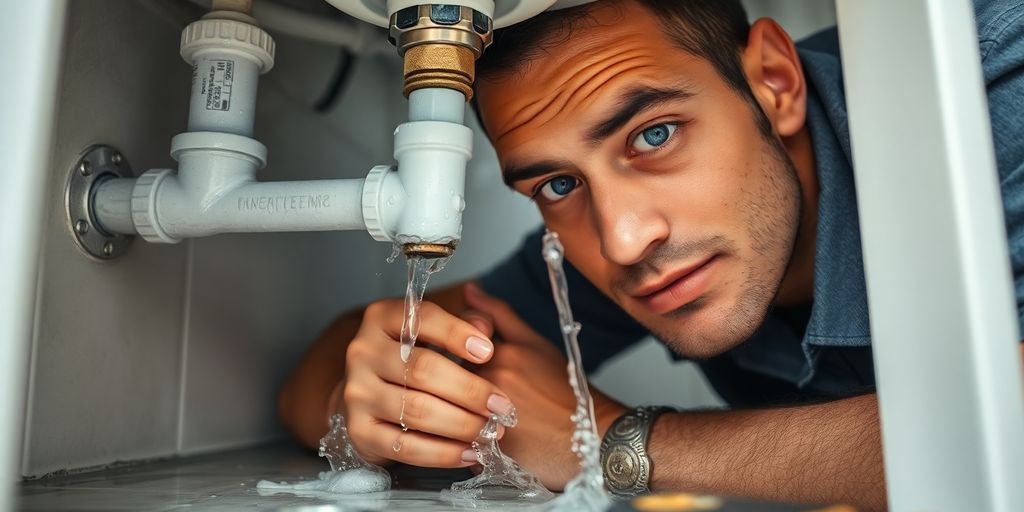
So, you’ve got a burst pipe. After taking those initial steps to minimize the damage, it’s time to think about fixing the problem. Here’s what you need to know:
First things first, take a good look at the situation. How big is the break? Is it a clean split, or is the pipe corroded and falling apart? Understanding the extent of the damage will help you decide on the best course of action. Check if the surrounding area is also damaged. Is there water damage to the walls or flooring? This assessment will inform your next steps and help you communicate the issue effectively to a plumber if you decide to call one.
Honestly, unless you’re a plumbing expert, this is usually the best move. Plumbing can be tricky, and a mistake could lead to bigger problems down the road. A qualified plumber has the tools and experience to properly repair or replace the damaged pipe, ensuring it’s done safely and up to code. Plus, they can identify any underlying issues that might have caused the burst in the first place. Don’t risk a DIY disaster; call in the pros.
If you’re waiting for a plumber to arrive, or if the damage is minor, you might consider a temporary fix to stop the leak. Here are a few options:
Remember, these are only temporary solutions. They’re meant to buy you some time until a professional can properly repair the pipe. Don’t rely on them as a long-term fix.
Also, be aware that some fixes might not be suitable for all types of pipes or damage. For example, if the pipe is severely corroded, a clamp might not hold. Always exercise caution and prioritize safety.
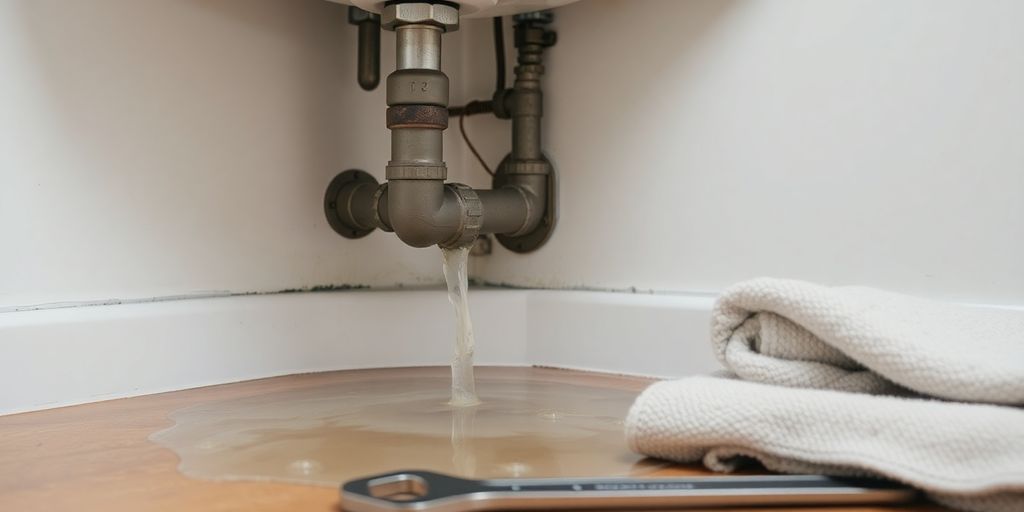
Burst pipes are a headache no one wants. After dealing with the immediate aftermath, your thoughts probably turn to prevention. What can you do to keep this from happening again? Here’s what I’ve learned about keeping your pipes safe and sound, especially during those brutal Calgary winters.
This is probably the most important thing you can do. Insulation acts like a cozy blanket for your pipes, keeping them warmer and less likely to freeze. Focus on pipes in unheated areas like:
You can use pipe sleeves, heat tape, or even just wrap them with old towels or blankets. The goal is to create a barrier against the cold air.
Moving water is much harder to freeze than still water. Even a tiny trickle can make a big difference.
It might seem wasteful to let the water drip, but the cost of a little extra water is nothing compared to the cost of repairing a burst pipe and dealing with water damage.
Give your plumbing a check-up every now and then. Look for:
If you spot anything suspicious, call a plumber right away. Catching small problems early can prevent them from turning into big, expensive disasters. It’s a good idea to have a professional plumber inspect your system annually, especially before winter hits. They can identify potential weak spots and recommend preventative measures.
It’s never fun dealing with a burst pipe. It’s messy, stressful, and can cause a lot of damage. But understanding why pipes burst in the first place can help you take steps to prevent it from happening again. Here’s a breakdown of some common culprits:
This is a big one, especially here in Calgary. When temperatures plummet below freezing, the water inside your pipes can freeze and expand. This expansion creates immense pressure, and eventually, the pipe can’t handle it and bursts. Pipes located in unheated areas like basements, crawl spaces, and exterior walls are particularly vulnerable. Make sure to take preventative measures during the cold snaps.
Just like anything else, plumbing systems age and deteriorate over time. Corrosion, mineral buildup, and general wear and tear can weaken pipes, making them more susceptible to bursting. Older homes with outdated plumbing are at higher risk. If your home is getting up there in age, it might be time to consider a plumbing inspection to assess the condition of your pipes.
While you want enough water pressure to enjoy a good shower, too much pressure can put a strain on your pipes and fixtures. Over time, this constant stress can weaken the pipes and lead to leaks or even bursts. It’s a good idea to have your water pressure checked to make sure it’s within a safe range. A plumber can install a pressure regulator to help control it if it’s too high.
Understanding the causes of burst pipes is the first step in preventing them. By taking proactive measures, you can protect your home from costly water damage and the headache of dealing with a plumbing emergency.
Once the immediate crisis of a burst pipe is under control, your attention must turn to the aftermath: the water damage. Ignoring this can lead to significant problems down the road, including structural issues and mold growth. Let’s walk through the steps to address water damage effectively.
First, carefully examine the affected areas for any signs of structural compromise. Water can weaken wood, drywall, and even concrete over time. Look for:
If you notice any of these issues, it’s crucial to consult with a structural engineer or a qualified contractor. They can assess the extent of the damage and recommend the necessary repairs to ensure your home’s safety and stability. Don’t delay this step; structural problems can worsen quickly and become more expensive to fix.
Mold is a common and potentially serious consequence of water damage. It can start growing within 24 to 48 hours in damp conditions, and it can cause health problems, especially for people with allergies or respiratory issues. When checking for mold, look for:
If you suspect mold, it’s best to call a professional mold remediation service. They have the equipment and expertise to safely remove mold and prevent it from spreading. Attempting to clean up mold yourself can be risky, as it can release spores into the air and worsen the problem.
For extensive water damage, consider contacting a professional water damage restoration service like My Calgary Plumber. These companies have the tools and experience to:
Dealing with water damage can be overwhelming, but remember that prompt action is key. By addressing the problem quickly and effectively, you can minimize the long-term impact on your home and your health. Don’t hesitate to seek professional help when needed; it can save you time, money, and stress in the long run.
Here’s a simple table to help you keep track of the damage:
If you’ve experienced water damage from a burst pipe, it’s important to act quickly. Start by turning off the water supply to prevent further flooding. Remove any wet items and dry the area as best as you can. For serious damage, don’t hesitate to call a professional. Our team is ready to help you 24/7 with any plumbing emergencies. Visit our website for more information and assistance!
So, there you have it. When a pipe bursts, it’s all about acting fast. Shut off that water supply, turn off the power, and get those windows open. Don’t forget to move your stuff to safety, too. Sure, it’s a hassle, but taking these steps can save you from a world of trouble later on. You might still need to call in the pros for repairs, but at least you won’t be dealing with a flooded home and ruined belongings. Remember, the sooner you act, the better your chances of keeping your home safe and sound.
You need to turn off the main water supply right away to stop more water from flooding your home.
Yes, if water is leaking near electrical wires, it’s important to shut off the electricity to prevent any accidents.
Using a wet/dry vacuum is the best way to get rid of standing water quickly.
Yes, it’s best to call a professional plumber to fix the pipe properly and prevent further damage.
You can insulate your pipes, keep water flowing during cold weather, and regularly check your plumbing for issues.
Burst pipes can happen due to extreme cold, aging plumbing, or high water pressure.