.png)



Have you ever walked into your bathroom and been hit with a strong, unpleasant smell, you know how frustrating it can be. A persistent toilet odor can make the space feel uninviting and uncomfortable. Luckily, there are several ways to tackle this issue head-on. In this article, we’ll explore practical steps on how to get rid of a persistent toilet odor in your bathroom, so you can enjoy a fresh and clean environment once again.
Let’s face it, a persistent bad smell in your bathroom is more than just unpleasant; it can be downright embarrassing. Before you reach for the air freshener, it’s important to play detective and figure out where that odor is actually coming from. Masking the smell won’t solve the problem; you need to tackle it head-on. This section will guide you through the process of sniffing out the culprit.
Start with the obvious: the toilet bowl itself. Even if it looks clean, there might be hidden issues.
Don’t overlook the toilet tank! This is a common source of mystery odors. Over time, mineral deposits, mold, and bacteria can accumulate inside the tank, leading to unpleasant smells.
Poor ventilation can trap moisture and odors, making them linger in your bathroom. If your bathroom lacks proper ventilation, it’s like creating a petri dish for mold and mildew.
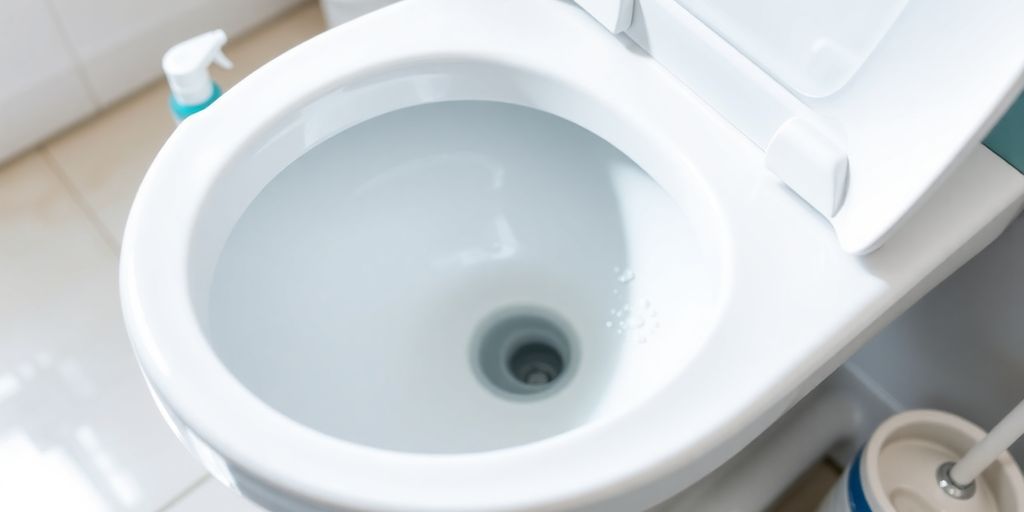
It is easy to overlook the importance of a thorough toilet cleaning. However, a regular deep clean is essential to eliminate odors and maintain a hygienic bathroom. A quick wipe-down is not enough; you need to get into every nook and cranny to truly banish those lingering smells. Let’s explore how to do it right.
Choosing the right cleaning solution can make all the difference. Harsh chemicals are not always necessary; in fact, they can sometimes damage your toilet over time. Consider using a combination of commercial cleaners and natural solutions. For example, a bleach-based cleaner can be effective for disinfecting, but be sure to ventilate the bathroom well. Alternatively, a mixture of baking soda and vinegar can work wonders for removing stains and odors without the harshness.
A thorough scrub is non-negotiable. Start by applying your chosen cleaner to the bowl, under the rim, and around the base of the toilet. Let it sit for a few minutes to loosen any grime or buildup. Then, using a sturdy toilet brush, scrub vigorously, paying special attention to areas prone to staining. Don’t forget to clean the outside of the toilet, including the tank, lid, and base. A microfiber cloth and a multi-purpose cleaner can work wonders on these surfaces.
Most people neglect the toilet tank, but it can be a breeding ground for mold and mildew, which contribute to unpleasant odors. To clean the tank, start by turning off the water supply and flushing the toilet to empty the tank. Then, use a sponge or brush to scrub the inside of the tank with a mixture of vinegar and water. Rinse thoroughly before turning the water back on. You might be surprised by the amount of gunk that accumulates in there!
Regular cleaning of the toilet tank can prevent the buildup of mold and mildew, which are common sources of bathroom odors. Aim to clean the tank at least every few months to keep it fresh and odor-free.
Sometimes, the best solutions are the simplest ones. Instead of reaching for harsh chemicals, consider using natural deodorizers to tackle that persistent toilet odor. These options are often safer, more affordable, and just as effective.
Baking soda is amazing. It’s not just for baking; it’s a fantastic odor absorber. You can place an open box or bowl of baking soda in your bathroom to help neutralize smells. It works by absorbing and neutralizing odors rather than just masking them. I usually just refill the container every month or so. It’s also great for cleaning; you can make a paste with water to scrub surfaces. Vinegar, on the other hand, is a natural disinfectant and deodorizer. You can spray it around the toilet area (but avoid mixing it directly with baking soda in a closed container, as it can create pressure). I’ve found that a combination of both works wonders. Here’s a simple way to use them:
If you want to add a pleasant scent while deodorizing, essential oils are a great choice. Eucalyptus, lavender, tea tree, and lemon oils are known for their antibacterial and refreshing properties. You can add a few drops to a diffuser, or even put a few drops on a cotton ball and hide it behind the toilet. Just be sure to use pure essential oils and not synthetic fragrances. I like to mix a few drops of essential oil with water in a spray bottle for a quick and natural air freshener. Here are some ideas:
Activated charcoal is another powerful odor absorber. It has a porous structure that traps odors and impurities. You can find activated charcoal in various forms, such as bags or filters. Place a bag of activated charcoal near the toilet or in the bathroom to help eliminate odors. It’s especially effective for absorbing strong smells. I’ve used it in my basement before, and it worked wonders. Here’s how to use it:
Natural deodorizers are a great first step in tackling toilet odors. They’re safe, effective, and environmentally friendly. Give them a try before resorting to harsh chemicals. If the problem persists, it might be time to look into other potential causes, like plumbing issues.
Bathroom odors can really linger if you don’t have good ventilation. It’s not just about masking smells; it’s about getting rid of the source of the problem. Let’s look at some ways to improve the air flow in your bathroom.
This might seem obvious, but it’s often overlooked. Simply opening a window or the bathroom door after a shower can make a big difference. Fresh air helps to dissipate moisture and odors. If the weather allows, make it a habit to air out your bathroom for at least 15-20 minutes each day. It’s a simple, free way to keep things fresh.
If opening a window isn’t always practical, an exhaust fan is your next best bet. A good exhaust fan pulls out moist, stale air and helps prevent mold and mildew growth.
Here’s a quick guide to choosing the right size fan:
For bathrooms over 100 square feet, or those with multiple fixtures, calculate the CFM as follows:
Installing an exhaust fan might seem like a big project, but it’s a worthwhile investment for the long-term health and freshness of your bathroom. If you’re not comfortable with electrical work, it’s best to call a professional.
Air purifiers aren’t just for people with allergies; they can also help eliminate bathroom odors. Look for one with a HEPA filter and activated carbon filter to trap particles and absorb smells. Place the air purifier near the toilet or shower to target the most common sources of odors. While they aren’t a replacement for good ventilation, they can certainly help maintain a fresher environment.
Sometimes, that persistent toilet odor isn’t just a surface problem. It could be a sign of something more serious lurking within your plumbing system. Ignoring these issues can lead to bigger, more expensive problems down the road. Let’s take a look at some common plumbing culprits and how to address them.
Is your toilet draining slowly, or gurgling after you flush? These are classic signs of a clog. Clogs can trap waste and bacteria, leading to unpleasant smells. You can try using a plunger to dislodge minor clogs. If that doesn’t work, a toilet auger (also known as a “snake”) can help you break up or retrieve the blockage. Be careful not to scratch the porcelain with the auger.
The P-trap is the curved pipe located under your toilet. It’s designed to hold water, creating a seal that prevents sewer gases from entering your bathroom. If the P-trap is dry (often due to infrequent use of a guest bathroom), or if it has a leak, that seal is broken, and you’ll start smelling those nasty sewer odors.
If you’ve tried the above steps and the odor persists, it’s time to call in the professionals. Some plumbing problems require specialized tools and knowledge to diagnose and fix.
Ignoring persistent plumbing issues can lead to significant damage and health hazards. It’s always best to err on the side of caution and seek professional help when needed.
Here are some situations where a plumber is essential:
To truly banish those persistent toilet odors, a consistent cleaning schedule is essential. Think of it as preventative maintenance for your nose! It’s not just about a quick wipe-down; it’s about establishing routines that keep your bathroom fresh and hygienic.
Your weekly cleaning should cover the basics. This includes:
A consistent weekly routine prevents buildup and keeps odors at bay.
Once a month, go beyond the basics. This is your chance to tackle those hard-to-reach areas and give your toilet a thorough cleaning. Consider these steps:
Monthly deep cleaning is like hitting the reset button for your bathroom. It addresses the hidden sources of odors and keeps everything fresh.
As the seasons change, so should your cleaning routine. Here are some seasonal tips to keep in mind:
Sometimes, despite your best efforts, that persistent toilet odor just won’t go away. It might be time to consider calling in the pros. Don’t feel bad about it! Plumbing can be tricky, and it’s better to be safe than sorry. Plus, a professional can often identify and fix problems you might miss.
So, how do you know when it’s time to throw in the towel and call a plumber? Here are a few signs:
It’s okay to try some DIY fixes, but don’t hesitate to call a plumber if you’re dealing with a serious issue. Your health and safety are worth it.
Hiring a professional cleaning service that specializes in plumbing issues can offer several benefits:
Regular preventative maintenance can save you money and headaches in the long run. Here are some services to consider:
Investing in preventative maintenance can help you avoid costly repairs and keep your bathroom smelling fresh.
Dealing with a stubborn toilet odor can be a real headache, but it doesn’t have to be. By following the steps we’ve laid out, you can tackle the source of the smell head-on. Remember, it’s all about identifying the problem, whether it’s a dirty tank, a clogged drain, or just a lack of ventilation. Don’t just cover up the smell with air fresheners; that’s only a temporary fix. Instead, give your bathroom a good clean and try some DIY solutions like vinegar and baking soda. If you’ve tried everything and the smell still lingers, don’t hesitate to call in a pro. A clean, fresh bathroom is just a few steps away, so roll up your sleeves and get started.
Toilet odors often come from the bowl, tank, or even the bathroom ventilation. Sometimes, it can be due to clogs or plumbing issues.
You can use a mix of baking soda and vinegar to clean your toilet. Scrub the bowl and let the mixture sit for a bit before flushing.
Air fresheners can help make the bathroom smell nicer, but they usually just cover up the odor instead of getting rid of it.
It’s best to clean your bathroom at least once a week. Doing a deep clean every month can help keep odors away.
If you’ve tried cleaning and the smell persists, it might be time to call a plumber. They can check for clogs or other plumbing problems.
Baking soda, vinegar, and essential oils are great natural options to help freshen up your toilet and bathroom.