.png)




Winter in Calgary can be brutal, with temperatures often dipping well below freezing. This drastic drop can lead to serious plumbing issues, especially when it comes to pipes freezing and bursting. Understanding the conditions that lead to these problems is essential for homeowners. In this article, we’ll explore how cold it really needs to get for pipes to burst in Calgary and what you can do to prevent it.
When the temperature drops in Calgary, your plumbing system faces a real challenge. Several factors can make your pipes more likely to freeze and potentially burst. One of the biggest culprits is inadequate insulation. Pipes located in unheated areas like basements, crawl spaces, and exterior walls are particularly at risk. These areas experience colder temperatures, increasing the chance of the water inside the pipes freezing.
Another factor is the type of pipe material. While all pipes can freeze, some materials are more susceptible to bursting than others. Copper pipes, for example, are known to be more rigid and prone to cracking when water expands inside them. Finally, improper installation or pre-existing damage to your pipes can also increase their vulnerability to cold weather.
You might be surprised to learn that all types of pipes can freeze, but some are more prone to issues than others. Here’s a quick rundown:
Knowing what type of pipes you have can help you understand your home’s specific risks and take appropriate preventive measures. If you’re unsure, a plumbing inspection can provide valuable insights.
Insulation is your first line of defense against frozen pipes. Proper insulation helps maintain a consistent temperature around your pipes, preventing them from reaching freezing point. Think of it like a warm blanket for your plumbing system. There are several types of insulation you can use, including:
Insulating your pipes is a relatively simple and cost-effective way to protect your home from costly water damage. Make sure to focus on pipes in unheated areas and those located near exterior walls. Don’t forget to seal any cracks or openings in your home’s foundation and walls to prevent cold air from entering and reaching your pipes.
As a homeowner in Calgary, you’re likely familiar with the challenges our winters present. You might be wondering, at what temperature do you really need to start worrying about your pipes freezing? Generally, pipes begin to be at risk when temperatures drop to -12°C (10°F) for a sustained period. However, several factors influence this threshold, including the level of insulation, pipe material, and exposure to the elements.
Wind chill can significantly exacerbate the risk of freezing pipes. Even if the air temperature is slightly above the critical threshold, a strong wind can rapidly draw heat away from exposed pipes, causing them to freeze much faster. It’s important to consider the wind chill factor, especially for pipes located on exterior walls or in uninsulated areas. Keep in mind that wind chill doesn’t affect pipes buried underground, but it certainly impacts those exposed to the elements.
It’s not just about how cold it gets, but also how long it stays cold. A brief dip below freezing might not be enough to cause significant problems, but extended periods of sub-zero temperatures can be very dangerous. The longer the cold spell, the deeper the frost penetrates, increasing the likelihood of pipes freezing and potentially bursting.
During prolonged cold snaps, it’s wise to take extra precautions, such as letting faucets drip and ensuring adequate insulation. Regular monitoring of your home’s temperature, especially in vulnerable areas like basements and attics, can also help you stay ahead of potential problems.
Here’s a simple table to illustrate the risk levels based on temperature and duration:
Remember, these are general guidelines. If you’re unsure about the specific risks to your home, it’s always best to consult with a qualified plumbing professional.
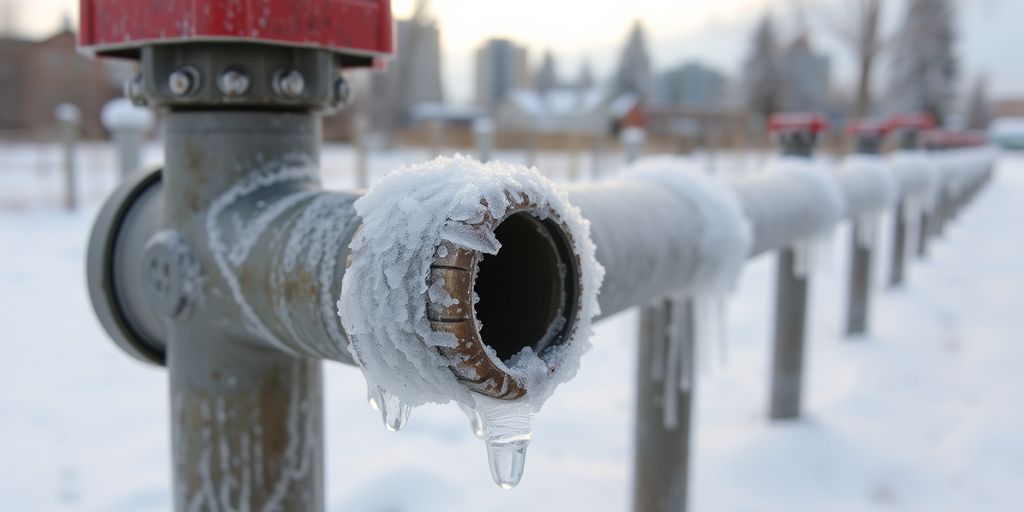
As a homeowner in Calgary, you understand the challenges our winters present. One of the most concerning is the potential for pipes to freeze and burst. Recognizing the warning signs early can save you from costly repairs and significant water damage. Here’s what to look out for:
If you notice a sudden and significant drop in water pressure, it could indicate a problem. This is often one of the first signs that ice is forming inside your pipes, restricting water flow. It might start as a slight decrease, but pay attention if it worsens quickly. Don’t ignore a trickle when you expect a stream!
Visible frost or condensation on exposed pipes is a clear red flag. This usually occurs in unheated areas like basements, crawl spaces, or exterior walls. If you see frost, it means the pipe’s temperature is below freezing, and ice is actively forming inside. Immediate action is needed to prevent a burst.
Pay close attention to any strange noises coming from your plumbing system. Gurgling, banging, or whistling sounds can indicate trapped air or ice blockages within the pipes. These sounds are often a sign that pressure is building up, increasing the risk of a rupture. It’s like your pipes are trying to tell you something is wrong!
Ignoring these warning signs can lead to a plumbing emergency. If you suspect your pipes are freezing, take immediate action to thaw them or call a professional plumber like My Calgary Plumber to assess the situation and prevent further damage.
As a homeowner in Calgary, you understand the importance of preparing your home for the harsh winter months. Taking proactive steps can save you from the headache and expense of dealing with burst pipes. Here’s what you should do:
One of the most effective ways to prevent pipes from freezing is to insulate them. Exposed pipes in unheated areas like basements, crawl spaces, and garages are particularly vulnerable.
Maintaining a consistent temperature throughout your home is crucial. Even if you’re trying to save on energy costs, it’s important to keep the heat on, especially during extended cold spells.
Cold air drafts can significantly lower the temperature around your pipes, increasing the risk of freezing. Sealing any cracks or openings in your home’s foundation and walls can make a big difference.
Taking these preventive measures can significantly reduce the risk of your pipes freezing and bursting this winter. It’s a small investment of time and effort that can save you a lot of money and stress in the long run.
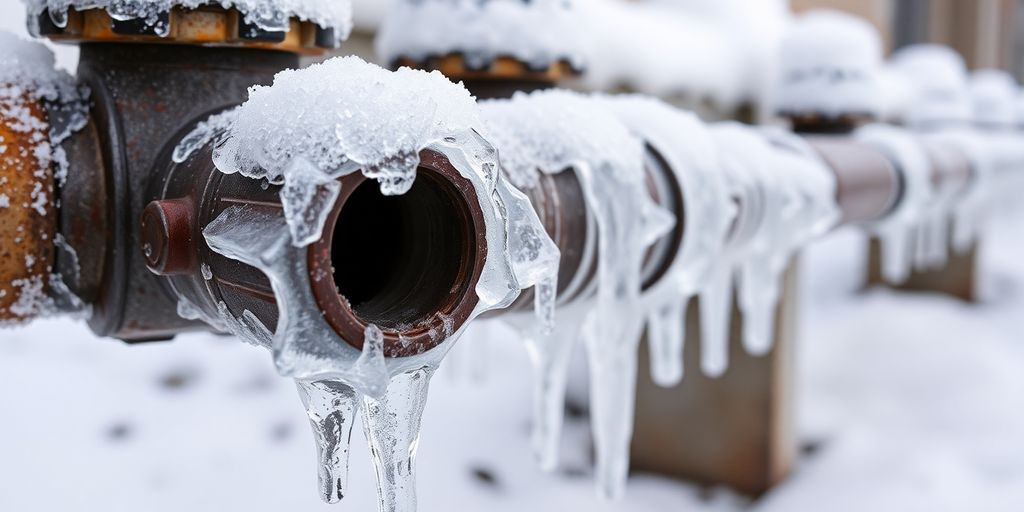
Discovering frozen pipes can be stressful, but acting quickly can minimize damage. Here’s a guide to help you navigate this chilly situation.
First, don’t panic. The most important thing is to shut off the main water supply to prevent potential flooding once the pipes thaw. This valve is usually located where the water line enters your home, often in the basement. If you live in a condo or townhome, contact your building management immediately. Then:
Remember, never use an open flame to thaw pipes. This is a fire hazard and can damage your plumbing.
While you can try to thaw frozen pipes yourself, there are situations where it’s best to call a professional plumber, like My Calgary Plumber. Consider calling if:
It’s always better to be safe than sorry when dealing with plumbing issues, especially during Calgary’s harsh winters. A professional can quickly and safely assess the situation and prevent further damage.
Once your pipes are thawed, take steps to prevent future freezing. Prevention is key to avoiding the hassle and expense of dealing with frozen pipes. Here are some long-term solutions:
Taking these steps can help protect your plumbing system and give you peace of mind during Calgary’s cold snaps.
Think of seasonal plumbing inspections as check-ups for your home’s circulatory system. Just like you visit the doctor for a physical, your plumbing needs a professional look-see to catch small issues before they become big headaches. Scheduling these inspections, ideally in the spring and fall, can save you from costly repairs down the road.
Here’s what a typical inspection might include:
Every plumbing system has its vulnerabilities. Older homes, in particular, might have outdated or deteriorating pipes that are more prone to leaks and bursts. Identifying these weak points is crucial for proactive maintenance. A qualified plumber can assess your system and pinpoint areas that need attention.
Regular inspections can reveal hidden problems, such as corrosion or faulty connections, allowing you to address them before they cause significant damage.
When it comes to plumbing, you often get what you pay for. Choosing cheaper materials might save you money upfront, but they can lead to frequent repairs and replacements in the long run. Investing in quality pipes, fixtures, and fittings can provide better performance and longevity. It’s a smart move that pays off over time.
Consider these factors when selecting plumbing materials:
Choosing quality materials is not just about avoiding repairs; it’s about ensuring the safety and efficiency of your home’s plumbing system.
When facing a plumbing emergency, finding a trustworthy plumber quickly is important. My Calgary Plumber is dedicated to providing prompt and reliable service to address your urgent plumbing needs. But how do you find other reliable plumbers in the city? Start by asking neighbors, friends, or family for recommendations. Online reviews can also offer insights into the experiences of other customers. Look for plumbers who are licensed, insured, and have a proven track record of quality work. A plumber who is upfront about pricing and offers a clear explanation of the problem and solution is also a good sign.
Plumbing emergencies don’t always happen during regular business hours. That’s why it’s good to know what emergency services are available in Calgary. Many plumbing companies, including My Calgary Plumber, offer 24/7 emergency services to handle burst pipes, severe leaks, and other urgent issues.
When evaluating emergency plumbing services, consider their response time, availability on holidays, and whether they charge extra for after-hours calls. It’s also wise to confirm if they have the necessary equipment and expertise to handle your specific plumbing problem.
Beyond individual plumbing services, Calgary offers community support and resources that can be helpful during a plumbing emergency. The City of Calgary provides information on its website about water main breaks, frozen pipes, and other plumbing-related issues. They also have a 311 helpline you can call for assistance. Additionally, some community organizations offer support to residents who may be struggling to afford plumbing repairs. Knowing these resources can provide extra help when you need it most.
Here’s a quick list of resources:
If you find yourself in a plumbing crisis, don’t panic! There are many local resources ready to help you. Whether it’s a burst pipe or a clogged drain, you can count on our expert plumbers to be there for you. Visit our website to learn more about how we can assist you during these emergencies!
So, as winter rolls in and temperatures drop, it’s crucial to keep an eye on your plumbing. Remember, pipes can freeze when it gets below 13°C, especially in those chilly spots like basements and garages. If you notice any signs of freezing, like low water pressure or strange noises, act fast! Insulating your pipes, sealing up drafts, and keeping your home warm are all simple steps that can save you from a costly mess. And if things go south, don’t hesitate to call a pro. Stay warm and keep those pipes flowing!
Pipes can start to freeze when temperatures drop below 30°F (-1°C). In Calgary, this can happen during very cold spells.
You might notice low water pressure, frost on the pipes, or hear strange sounds coming from your plumbing.
If your pipes freeze, turn off the water supply and try to warm the pipes gently with a hairdryer or heat tape.
Insulate your pipes, keep the heat on in your home, and let faucets drip slightly during extremely cold weather.
If you suspect your pipes have burst or you can’t resolve the freezing issue yourself, it’s best to call a professional plumber.
Signs include water pooling in your home, water stains on walls or ceilings, and an unexpected drop in water pressure.