.png)



Water heaters are crucial for our daily routines, providing hot water for showers, cooking, and cleaning. But when they break down, it can be a real hassle. Recognizing the signs of emergency water heater failures is essential for preventing further issues and costly repairs.
Okay, so your water heater is acting up. Before you panic, let’s talk about the usual suspects. Is your water lukewarm when it should be hot? Hear any weird banging or popping sounds coming from the unit? Maybe you’ve noticed some leaks around the base. These are all red flags. Ignoring these signs can lead to bigger, more expensive problems down the road.
Here’s a quick rundown:
Alright, so you’ve spotted some warning signs. But when does it go from “hmm, that’s odd” to “call a plumber now“? If you’re dealing with no hot water at all, a major leak, or the smell of gas near your water heater, it’s time to call for emergency service. Seriously, don’t wait. A gas leak is dangerous, and a major water leak can cause serious damage to your home.
Delaying repairs can lead to extensive property damage and potential safety hazards. It’s better to be safe than sorry when it comes to water heater issues.
Let’s be real, nobody wants to deal with a broken water heater. It’s tempting to put it off, hoping the problem will magically disappear. But trust me, it won’t. Delaying repairs can lead to a whole host of problems. Think about it: a small leak can turn into a flood, causing damage to your floors, walls, and belongings. A minor issue with the heating element can lead to complete failure, leaving you with no hot water at all. And in some cases, a faulty water heater can even pose a safety risk. Here’s a table showing potential risks:
It’s important to understand why water heaters fail so you can take steps to prevent it. Most failures are due to a few common issues. Knowing these can save you from cold showers and big repair bills.
Like any appliance, water heaters don’t last forever. Age is a major factor in water heater failure. Over time, the constant heating and cooling cycles, along with the water itself, take a toll on the tank and components. Most water heaters have a lifespan of about 8-12 years. After that, the risk of problems increases significantly.
Not taking care of your water heater is a surefire way to shorten its life. Sediment buildup is a common problem, especially in areas with hard water. This sediment acts like an insulator, making the heater work harder and less efficiently. Regular flushing can help prevent this. Also, neglecting to replace the anode rod, which protects the tank from corrosion, can lead to premature failure.
Sometimes, even with good maintenance, parts can fail. Thermostats can malfunction, heating elements can burn out, and pressure relief valves can get stuck. These issues can cause the water heater to stop working or even become dangerous. Regular inspections can catch these problems early, before they cause major damage.
Ignoring small problems can lead to bigger, more expensive ones down the road. A little preventative maintenance can save you a lot of hassle and money in the long run.
Here’s a quick rundown of common component issues:
Ignoring a faulty water heater can lead to bigger problems than just cold showers. It’s about protecting your home and your wallet. Let’s explore why addressing those issues promptly is so important.
Putting off water heater repairs can lead to significant damage. A small leak can turn into a flood, damaging floors, walls, and personal belongings. Rust and corrosion can spread, weakening the entire system and potentially causing it to fail completely. Addressing problems early can prevent these escalating issues.
Delaying repairs often results in higher costs down the road. What starts as a simple fix, like replacing a faulty valve, can turn into a full-blown replacement if left unattended. Plus, the damage caused by leaks or bursts can lead to expensive home repairs. Think of it this way:
Ignoring a minor issue in your water heater is like ignoring a small cough – it might go away on its own, but it could also turn into pneumonia. Addressing it early saves you from bigger headaches and expenses later.
A malfunctioning water heater can pose serious safety risks. Gas leaks can lead to explosions or carbon monoxide poisoning. Overheating can cause burns or scalding. Electrical issues can create fire hazards. Ensuring your water heater is functioning correctly is crucial for the safety of your household.
Here are some safety measures to consider:
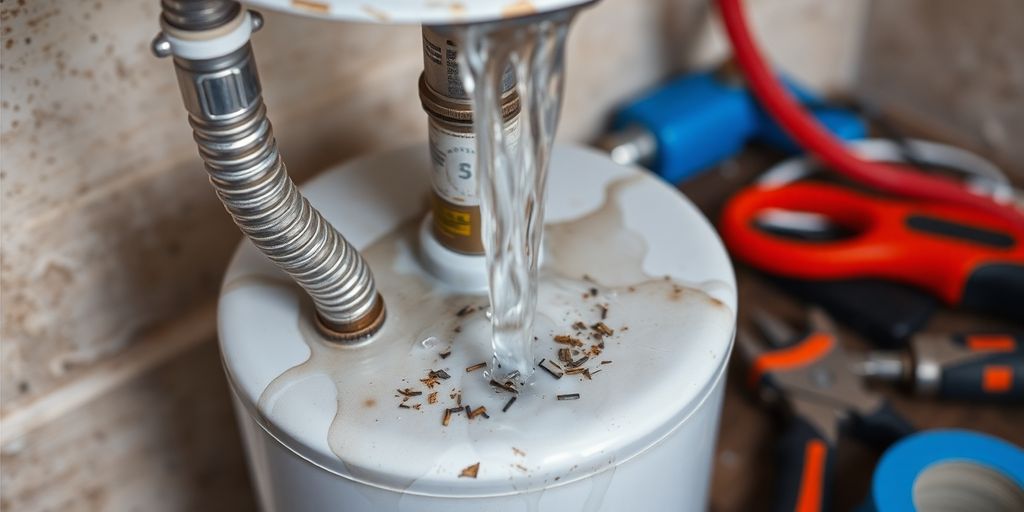
When a water heater fails, knowing your repair options is important. You have choices, and understanding them can save you time, money, and stress. Let’s explore what’s available when you need help fast.
Many plumbing companies, including My Calgary Plumber, offer 24/7 emergency services. This means you can call for help any time, day or night. These services are designed to address urgent issues that can’t wait until regular business hours. When you call, be prepared to describe the problem clearly so the technician can arrive prepared.
Deciding whether to tackle a water heater repair yourself or call a professional is a big decision. Small leaks or a pilot light issue might seem manageable, but more complex problems require expertise. Here’s a quick guide:
Attempting DIY repairs without the right knowledge can lead to further damage, void warranties, and even pose safety risks. It’s often best to leave it to the professionals.
Selecting the right technician is important for a successful repair. Here’s what to look for:
Okay, so you want your water heater to last, right? It’s not rocket science, but it does take a little effort. Think of it like your car – you wouldn’t just drive it until it breaks down, would you? Same deal here. Regular maintenance is key to extending the life of your water heater.
Ignoring these simple steps can lead to costly repairs down the road. Trust me, a little prevention goes a long way.
Keep an eye out for anything weird. Is your water heater making strange noises? Is the water not getting as hot as it used to? Are you seeing any leaks? These are all red flags that something might be wrong. Don’t ignore them! Catching problems early can save you a ton of money and hassle. Here’s a quick rundown:
Alright, let’s talk upgrades. If your water heater is getting up there in age (10+ years), it might be time to think about replacing it. Newer models are way more efficient, which means you’ll save money on your energy bill. Plus, you’ll avoid the risk of a sudden, catastrophic failure. Consider these options:
Upgrading your water heater is an investment that can pay off in the long run. Plus, you’ll have the peace of mind knowing that you’re not going to wake up to a cold shower one morning.
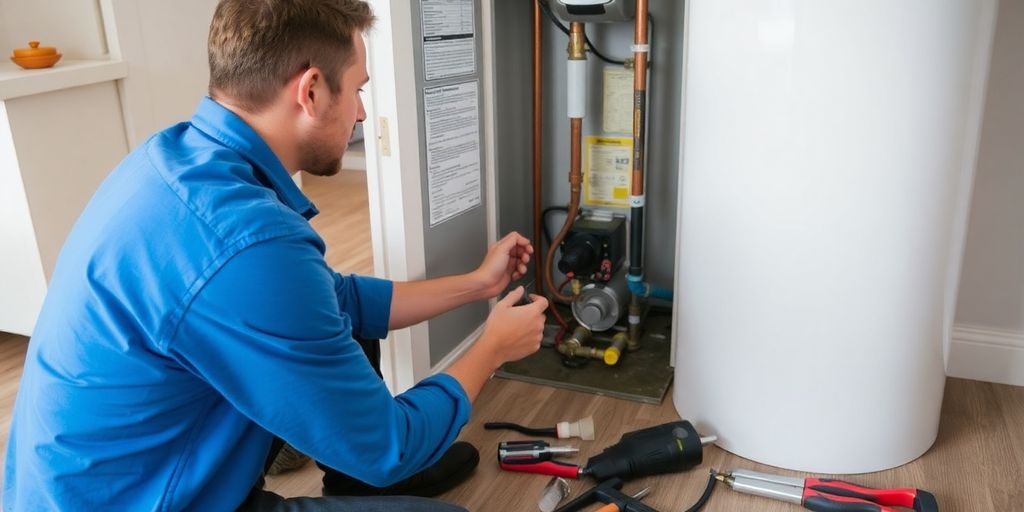
Hearing about how others have dealt with emergency water heater situations can be really helpful. Let’s consider a few examples. First, there’s the story of the Johnson family, who woke up one Saturday morning to find their basement flooded due to a burst water heater. Their quick action in shutting off the main water supply and calling a 24/7 repair service prevented significant damage to their home. They learned the hard way about the importance of regular inspections. Then there’s Mr. Thompson, who ignored the early signs of a failing water heater – strange noises and rusty water – until it completely gave out during a cold snap. This resulted in a much costlier repair and several days without hot water. These stories highlight the importance of being proactive and responsive when it comes to your water heater.
Lessons Learned
So, what can we learn from these experiences? Here are a few key takeaways:
Okay, so you’ve realized you’ve got a water heater emergency. Before you even call My Calgary Plumber, there are a few things you should do to minimize damage and ensure your safety. First, turn off the water supply to the water heater. This can usually be done at the valve located on the cold water inlet pipe, typically found on top of the unit. If you can’t find it or it’s stuck, don’t force it – move on to the next step. Next, turn off the power to the water heater at the breaker box. This is crucial, especially if there’s any water leaking near the unit. Finally, clear the area around the water heater so the technician has easy access. This will help them assess the situation quickly and safely.
While you don’t need to be a plumber to handle a water heater emergency, having a few basic tools on hand can be helpful. A flashlight is a must for inspecting the unit and surrounding area. A bucket and towels can help contain any leaks and prevent further water damage. A pipe wrench might be useful if you need to shut off the water supply, but again, don’t force anything if you’re not comfortable. And of course, have your phone handy to call My Calgary Plumber and take pictures of any damage for insurance purposes. Don’t go overboard trying to fix things yourself; leave that to the professionals.
When the My Calgary Plumber technician arrives, be prepared to ask some important questions. First, ask them to clearly explain the problem and the proposed solution. Don’t be afraid to ask for clarification if you don’t understand something. Second, inquire about the cost of the repair, including parts and labor. Get a written estimate before any work begins. Third, ask about their experience and qualifications. You want to make sure you’re dealing with a qualified professional. Finally, ask about any warranties or guarantees on the repair work. Knowing your rights and options will help you make informed decisions and avoid any surprises down the road.
Remember, dealing with a water heater emergency can be stressful, but being prepared and informed can make the process much smoother. Don’t hesitate to call My Calgary Plumber for expert assistance and peace of mind.
If your water heater is acting up, don’t panic! Use our handy checklist to identify the problem and take quick action. For more detailed tips and professional help, visit our website today! We’re here to assist you 24/7 with all your plumbing needs.
If you notice any of the signs we talked about, don’t just sit there hoping it’ll fix itself. Ignoring these issues can lead to bigger problems down the line, and trust me, you don’t want to deal with that. Call a pro for emergency water heater repair as soon as you can.
Look for signs like no hot water, strange noises, leaks, or discolored water. If you notice any of these, it’s time to call for help.
Regular maintenance is key. Check the tank for leaks, flush it out once a year, and replace any worn-out parts.
While some minor issues can be fixed at home, it’s best to call a professional for serious problems to avoid safety risks.
Turn off the water supply and electricity to the heater immediately, then call a repair service to fix the leak.
Most water heaters last about 10 to 15 years. If yours is older, you might want to consider replacing it.
Ask about the problem, the repair process, costs, and if there are any preventative measures you can take in the future.