.png)




Dealing with a burst pipe can be one of the most stressful things a homeowner faces. Not only is there the immediate concern of water damage, but you also have to think about repairs and whether you need to replace the pipe entirely. In this article, we’ll break down what causes pipes to burst, how to recognize the signs, and what steps to take afterward. Plus, we’ll cover if you need a new pipe installed after a burst and what to expect during the repair process.
Pipe bursts are a homeowner’s nightmare, often striking when you least expect it. Understanding why they happen is the first step in preventing them. Let’s explore the common culprits behind these plumbing emergencies.
Several factors can contribute to pipes bursting. Freezing temperatures are a major offender, but they’re not the only cause. Corrosion, clogs, and even the age of your pipes can play a significant role. Here’s a quick rundown:
Corrosion is a silent killer of plumbing systems. It’s a gradual process where the pipe material degrades, often due to the water’s chemical composition. If your home has well water, it might have a higher iron concentration, accelerating corrosion. Keep an eye out for these signs:
Corrosion can significantly weaken pipes over time, making them prone to bursting. Regular inspections can help catch corrosion early and prevent costly damage.
When temperatures plummet, the water inside your pipes can freeze and expand. This expansion creates tremendous pressure, often exceeding what the pipes can handle. The result? A burst pipe and a potential flood. Even a small crack can release a significant amount of water. Here’s what you should know:
Freezing isn’t just a risk during the winter months. Unexpected cold snaps can also catch homeowners off guard. Taking preventative measures is key to avoiding frozen and burst pipes.
Discovering a burst pipe early can save you from major headaches and costly repairs. It’s not always as dramatic as a geyser erupting in your living room; sometimes, the signs are subtle. Being vigilant and knowing what to look (and listen) for is key to preventing extensive damage. Here’s what you should be aware of:
One of the first clues you might have a burst pipe is an unusual sound. Pay close attention to any hissing, gurgling, or banging noises coming from your walls or floors. These sounds often indicate water escaping from a pipe, even if you can’t see any visible leaks. It could be a slow drip or a more significant burst, but either way, it warrants investigation. Don’t dismiss these sounds as just the house settling; they could be a warning sign.
Visible signs are often the most obvious indicators of a burst pipe. Keep an eye out for:
If you spot any of these signs, act quickly. The longer the leak goes unnoticed, the more extensive the damage will be.
Have you noticed a sudden spike in your water bill, even though your water usage habits haven’t changed? This could be a sign of a hidden leak or a burst pipe somewhere in your home. Monitor your water bill closely, and if you see an unexpected increase, investigate further. Check for any of the other signs mentioned above, and consider having a plumber inspect your plumbing system to rule out any hidden problems.
To illustrate, consider this scenario:
If you see a jump like this, it’s time to take action. Don’t ignore it and hope it goes away; it’s likely a sign of a problem that needs to be addressed.
Discovering a burst pipe in your home can be alarming. Acting swiftly and decisively can minimize damage and prevent further complications. Here’s what you should do immediately:
The very first thing you should do is turn off the main water supply. This will stop the flow of water and prevent additional damage to your property. The main shut-off valve is usually located where the water line enters your home, often in the basement, utility room, or near the water meter. Make sure everyone in your household knows where this valve is and how to operate it. If you’re unsure, it’s a good idea to locate it now, before an emergency occurs.
After you’ve stopped the water flow, thoroughly document the damage. This is crucial for your insurance claim. Take photos and videos of all affected areas, including:
Be as detailed as possible. Keep a written log of the damage, noting the date and time you discovered it. This documentation will be invaluable when you file your insurance claim.
Proper ventilation is key to preventing mold growth and speeding up the drying process. Open windows and doors to allow fresh air to circulate. If you have fans, use them to help dry out wet areas. Consider renting a dehumidifier to remove excess moisture from the air. The faster you can dry out the affected areas, the less likely you are to experience mold problems down the road.
Remember, time is of the essence when dealing with a burst pipe. Taking these immediate actions can significantly reduce the extent of the damage and make the restoration process much smoother.
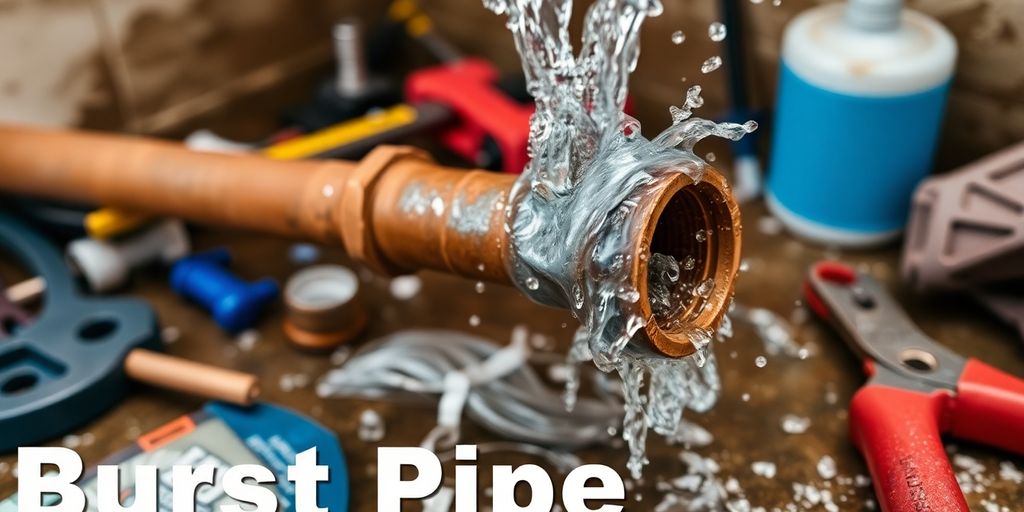
After the initial shock of a burst pipe, it’s time to take stock of the situation. Understanding the extent of the damage and knowing your repair options is essential for getting your home back to normal. Don’t rush this step; a thorough assessment will save you headaches and money in the long run.
First, you’ll want to figure out just how bad the damage is. This isn’t always as simple as looking for puddles. Water can seep into walls, under floors, and into ceilings, causing hidden problems like mold growth. Check for:
A comprehensive inspection is key. Sometimes, it’s best to call in a professional for this, especially if you suspect water has spread to hard-to-reach areas. They have the tools and expertise to find hidden moisture and assess the full scope of the damage.
In some cases, you might be able to apply a temporary fix to stop the leak and prevent further damage until a plumber arrives. This could involve using a pipe clamp or repair sleeve. However, it’s important to remember that these are not long-term solutions.
Temporary fixes can buy you some time, but they should always be followed up with a permanent repair by a qualified plumber. Ignoring this can lead to bigger problems down the road.
Sometimes, a simple repair isn’t enough. If the pipe is severely damaged, corroded, or has burst in multiple places, replacement might be the only option. Here are some signs that indicate pipe replacement is necessary:
Replacing pipes can seem like a big job, but it can actually save you money in the long run by preventing future leaks and water damage. Plus, new pipes can improve your water pressure and quality. If you’re unsure whether to repair or replace, it’s always best to get a professional opinion from My Calgary Plumber. We can assess the situation and recommend the best course of action for your specific needs.
Dealing with a burst pipe can be stressful, and it’s easy to feel overwhelmed. While some minor plumbing issues can be handled with a bit of DIY, a burst pipe often requires the attention of a professional. Knowing when to call a plumber can save you time, money, and further damage to your property. Let’s explore situations where professional help is essential.
Sometimes, the source of the problem isn’t as obvious as a gushing pipe. Hidden leaks behind walls or under floors can be tricky to locate and require specialized equipment to detect. If you notice signs like unexplained dampness, mold growth, or a sudden drop in water pressure without an obvious cause, it’s time to call in a professional. Plumbers have the tools and experience to diagnose these complex issues accurately and efficiently.
Calling a plumber isn’t just about fixing the immediate problem; it’s about ensuring the entire plumbing system is sound. A professional assessment can reveal underlying issues that might lead to future bursts or leaks. They can also advise on the best course of action for repairs or replacements, taking into account factors like pipe material, age, and local building codes.
Here’s a quick look at what a professional assessment might include:
Not all plumbing services are created equal. When selecting a plumber, it’s important to consider their experience, qualifications, and reputation. Look for a licensed and insured plumber with positive reviews and a proven track record. Don’t hesitate to ask for references or check online review sites to get a sense of their reliability and quality of work.
Remember, choosing the right plumbing service is an investment in the long-term health of your home’s plumbing system. A qualified plumber will not only fix the immediate problem but also provide valuable insights and recommendations to prevent future issues.
My Calgary Plumber is here to help. We’re available 24/7 for emergencies, and we offer free estimates for all types of plumbing work. Give us a call today!
Dealing with a burst pipe is never fun. The good news is, there are steps you can take to reduce the risk of it happening again. Let’s explore some preventative measures to keep your plumbing in good shape.
Think of regular pipe inspections as check-ups for your plumbing. Catching small problems early can prevent them from turning into big, expensive disasters. Here’s what to keep in mind:
High water pressure puts a strain on your pipes and joints, increasing the risk of bursts. Here’s how to keep it in check:
Freezing temperatures are a major cause of burst pipes. Insulating your pipes is a simple and effective way to prevent this.
Taking these preventative measures can save you a lot of headaches and money in the long run. Regular maintenance and proactive steps are key to keeping your plumbing system healthy and preventing burst pipes.
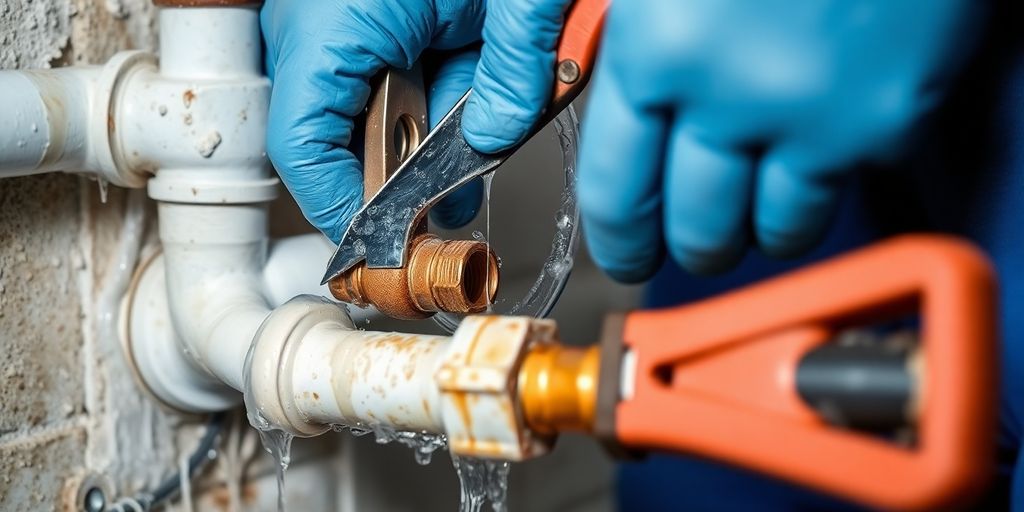
Dealing with a burst pipe is stressful enough, but understanding your insurance coverage can add another layer of complexity. Let’s break down what you need to know to navigate this process smoothly. It’s important to be prepared and know what steps to take to protect yourself financially.
Your homeowner’s insurance is there to protect you when unexpected events like a burst pipe occur. Most standard policies cover sudden and accidental water damage, but it’s important to understand the specifics of your policy. Here’s what you should consider:
Filing an insurance claim can seem daunting, but here’s a step-by-step guide to make the process easier:
Remember, honesty is the best policy. Provide accurate information and cooperate fully with your insurance company throughout the claims process.
An insurance adjuster will be assigned to your claim to assess the damage and determine the amount of coverage. Here’s how to work effectively with them:
Dealing with insurance can be tricky, but being informed and proactive can make the process much smoother. If you’re in Calgary and need help with a burst pipe, don’t hesitate to call My Calgary Plumber. We can help you assess the damage and provide the documentation you need for your insurance claim. We’re here to help you get back on your feet as quickly as possible.
Knowing what your insurance covers is really important. It helps you understand what you can get help with when things go wrong. Make sure to read your policy carefully and ask questions if you don’t understand something. For more tips on insurance and how to make the most of your coverage, visit our website today!
Dealing with a burst pipe can feel overwhelming, but remember, you’re not alone in this. First things first, don’t panic. Assess the situation, shut off your water, and call a professional to handle the repairs. Whether you need a full pipe replacement or just a quick fix, getting help fast is key to minimizing damage. And don’t forget to document everything for your insurance claim. Burst pipes happen, but with the right steps, you can get your home back to normal in no time. So, if you ever find yourself in this situation, just take a deep breath and reach out for help.
Pipes can burst due to many reasons, like freezing temperatures, corrosion, or blockages. When water freezes, it expands, which can crack the pipes. Corrosion happens when the pipes get old or if the water has a high iron content.
You might hear strange sounds, see water damage on walls or ceilings, or notice a sudden spike in your water bill. If you experience these signs, check your pipes.
First, turn off your water supply to prevent more flooding. Then, document the damage for insurance and ventilate the area to help dry it out.
Not always. If the damage is minor, a plumber might be able to fix it with a patch. However, if the pipe is old or severely damaged, a full replacement might be necessary.
Call a plumber if you’re unsure about the damage or if the situation is complex. They have the tools and expertise to assess the problem and recommend the best solution.
To prevent future bursts, regularly inspect your pipes, control water pressure, and insulate pipes during cold weather. This will help keep them safe from freezing and damage.