.png)



If you have old pipes in Calgary, you might be wondering about the safety of hydro jetting. It’s a popular method for cleaning out clogs, but can it actually cause damage? In this article, we’ll break down what hydro jetting is, how it works, and what you need to know to keep your plumbing safe while tackling those pesky blockages.
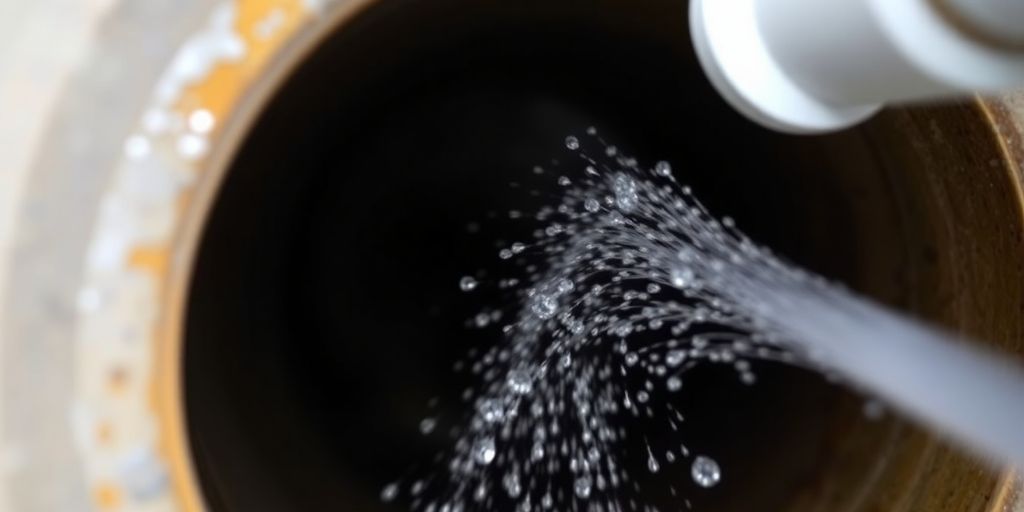
Okay, so you’ve got a stubborn clog, and the usual methods aren’t cutting it. That’s where hydro jetting comes in. Think of it as power washing for your pipes. Hydro jetting uses a high-pressure stream of water to blast away years of built-up gunk, grease, and even tree roots from the inside of your pipes. It’s not just about clearing a blockage; it’s about giving your pipes a fresh start. Regular drain snakes can poke a hole through clogs, but hydro jetting scours the entire pipe diameter, leaving it cleaner than ever. It’s a pretty impressive piece of technology, and when done right, it can save you a lot of headaches.
The process is actually pretty straightforward. First, a plumber will inspect your pipes with a camera to assess the situation and identify any potential weaknesses. This is crucial, especially in older homes. Then, a flexible hose with a special nozzle is inserted into your drain or sewer line. This nozzle shoots out a powerful stream of water, typically between 1,500 and 4,000 PSI, depending on the job. The force of the water scours the pipe walls, dislodging debris and flushing it away. The plumber will carefully control the pressure and the movement of the hose to ensure a thorough cleaning without damaging your pipes. It’s a bit like keyhole surgery, but for your plumbing!
Hydro jetting offers a bunch of advantages over traditional drain cleaning methods. Here are a few key benefits:
Hydro jetting is a powerful tool, but it’s not a one-size-fits-all solution. It’s important to have a professional plumber assess your pipes and determine if hydro jetting is the right choice for your situation. Especially if you live in an older home, you’ll want to make sure your pipes can handle the pressure.
It’s important to know what you’re dealing with before you consider any kind of pipe cleaning, especially with older plumbing. Ignoring the state of your pipes can lead to bigger problems down the road. Let’s take a closer look at how to assess the condition of your pipes.
How do you know if your pipes are getting old? There are a few telltale signs to watch out for.
Old plumbing comes with its own set of problems. Corrosion is a big one, especially in older homes with cast iron or galvanized steel pipes. These materials rust over time, which can lead to leaks and blockages. Tree roots are another common issue. They can sneak into small cracks in the pipes and cause major blockages. Mineral buildup is also a problem, especially if you have hard water. Over time, minerals can accumulate inside the pipes, reducing water flow and causing clogs.
Getting a professional inspection is the best way to really know what’s going on with your pipes. A qualified plumber can use special tools and techniques to assess the condition of your pipes without tearing everything apart. They can identify problems that you might miss, like hidden leaks or early signs of corrosion. Plus, they can give you expert advice on the best way to address any issues, whether it’s a simple repair or a full replacement. Don’t skip this step – it could save you a lot of money and headaches in the long run.
Regular inspections are key to maintaining the health of your plumbing system. They help catch small problems before they turn into big, expensive ones. Think of it like a check-up for your pipes – it’s a way to make sure everything is running smoothly and prevent future issues.
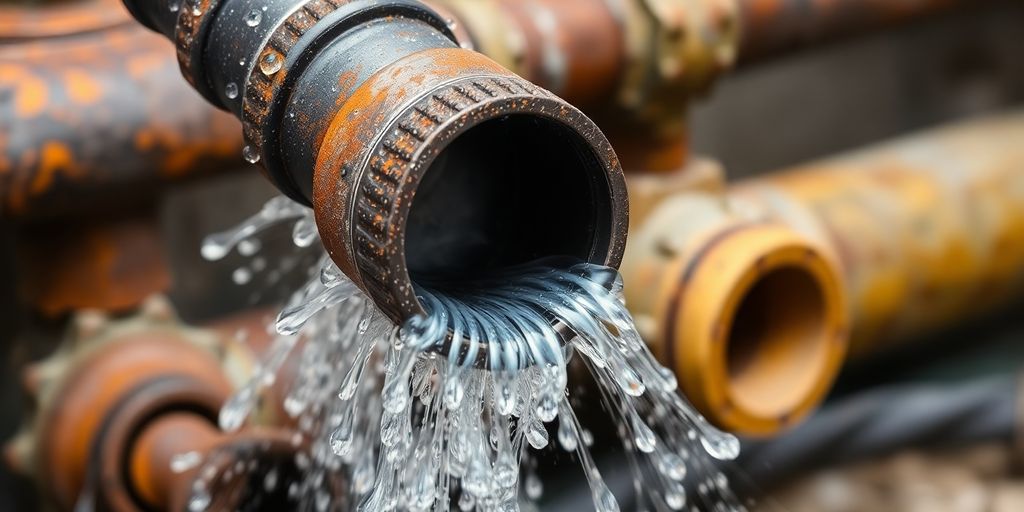
Can hydro jetting damage old pipes? The short answer is: yes, it certainly can. While hydro jetting is a powerful and effective method for cleaning drains, its high-pressure water streams can pose a risk to aging or fragile plumbing systems. The force of the water can exacerbate existing weaknesses, leading to cracks, leaks, or even complete pipe failure. It’s like using a power washer on an old fence – what seems like a good cleaning could end up causing significant damage.
Knowing when to avoid hydro jetting is just as important as understanding its benefits. Here are some situations where you should probably consider alternative methods:
If you suspect your pipes are old or fragile, it’s always best to err on the side of caution. A professional plumber can assess the situation and recommend a safer course of action.
If you’re considering hydro jetting for your Calgary home, here’s what the experts at My Calgary Plumber recommend:
Hydro jetting can be a great solution for stubborn clogs, but it’s not a one-size-fits-all solution. By taking these precautions, you can help ensure the safety and longevity of your plumbing system.
While hydro jetting offers a powerful solution for clearing stubborn blockages, it’s understandable to be cautious when dealing with older plumbing systems. Fortunately, several effective alternatives exist that may be gentler on aging pipes.
Chemical drain cleaners are readily available and seem like a quick fix, but they come with significant drawbacks. While they might dissolve some organic matter, they often fail to completely clear blockages. More importantly, the harsh chemicals can corrode older pipes, leading to leaks and further damage.
Here’s a quick look at the pros and cons:
It’s generally advisable to avoid chemical drain cleaners altogether, especially if you have an older plumbing system. The potential damage outweighs the temporary convenience.
Mechanical snaking, also known as drain cabling, involves using a flexible metal cable with an auger head to break up or retrieve clogs. It’s a more targeted approach than hydro jetting and can be a safer option for fragile pipes. Snaking is often effective for removing:
However, snaking might not be as effective as hydro jetting for removing stubborn mineral deposits or tree root intrusions. The key difference is that snaking physically breaks up the clog, while hydro jetting scours the pipe walls clean. A skilled plumber can assess your pipes and determine if snaking is a suitable alternative.
When pipes are significantly damaged but not beyond repair, pipe relining offers a less invasive alternative to full replacement. This process involves inserting a resin-saturated liner into the existing pipe, which then hardens to create a new, smooth inner wall. Pipe relining offers several benefits:
Pipe relining is a great option if you’re experiencing frequent leaks or blockages due to corrosion or cracks. It essentially creates a new pipe within the old one, restoring functionality and preventing further damage. It’s a worthwhile investment to consider if your pipes are showing their age.
Maintaining an older plumbing system in Calgary requires consistent effort. Regular inspections are key to spotting problems early. Here are some things you can do:
It’s easy to forget about plumbing until something goes wrong. But a little bit of regular maintenance can save you from big headaches and expenses down the road.
Knowing when to call a plumber can prevent small issues from turning into major disasters. Look out for these warning signs:
If you notice any of these, it’s time to call My Calgary Plumber. Ignoring these signs can lead to costly repairs later.
Upgrading parts of your plumbing system can improve its performance and lifespan. Consider these modern solutions:
SolutionBenefitPEX/PVC PipesDurability, corrosion resistanceWater SoftenerReduces mineral buildupBackflow PreventerProtects water supply from contamination
Investing in these solutions can save you money in the long run by preventing costly repairs and improving water quality.
When you’re dealing with stubborn clogs, hydro jetting can seem like a miracle solution. But before you jump in, it’s wise to understand the costs involved. The price of hydro jetting in Calgary can vary quite a bit, depending on the specifics of the job. Factors influencing the cost include the clog’s severity, the plumbing’s condition, and even the plumber’s rates.
Generally, you might expect to pay anywhere from $300 to $2000 or more for residential hydro jetting. Commercial jobs, which often involve more extensive sewer lines, could be even pricier. Why such a broad range? Well, the equipment itself is expensive and requires regular maintenance. Plus, some jobs need two technicians, adding to the labor costs.
Here’s a general idea of what you might expect:
Keep in mind that these are just estimates. Always get a detailed quote from a qualified plumber before proceeding.
Okay, so hydro jetting can be a bit of an investment. But how does it stack up against the cost of repairs? That’s a great question, and one that could save you a lot of money in the long run.
Think of it this way: hydro jetting is often a proactive measure. It can clear out blockages and buildup before they cause serious damage. Repairs, on the other hand, are usually reactive – you’re fixing something that’s already broken. And as anyone who’s dealt with plumbing emergencies knows, repairs can be expensive.
Here’s a quick comparison:
| Service | Description be sure to get a professional inspection first.
Think of preventive plumbing care as an investment in your home’s future. While hydro jetting might seem like a significant expense upfront, consider the potential costs of neglecting your plumbing system. Ignoring early warning signs can lead to major problems like burst pipes, extensive water damage, and costly repairs.
By investing in regular maintenance, you can catch minor issues before they escalate into major crises. Hydro jetting, when done correctly and at the right time, can extend the lifespan of your pipes and prevent the need for expensive replacements. It’s like getting regular check-ups for your car – you’re addressing small problems before they turn into engine failures.
Here’s the bottom line: preventive care saves you money in the long run. It reduces the risk of emergencies, minimizes the need for costly repairs, and helps maintain the value of your property. So, while the initial cost of hydro jetting might give you pause, remember to weigh it against the potential savings and peace of mind that come with a well-maintained plumbing system.
Finding a good plumber can feel like a chore, but it doesn’t have to be. You want someone reliable, experienced, and fair. Look for a plumbing service that’s licensed and insured. This protects you if something goes wrong during the job. Also, check online reviews and ask for recommendations from friends or neighbors. A company with a solid reputation is usually a safe bet.
A good plumbing service should be transparent about its pricing and willing to explain the work that needs to be done. Don’t be afraid to ask questions and get a detailed estimate before agreeing to anything.
Before you hire a plumber, it’s smart to ask a few questions. This helps you gauge their expertise and professionalism. Start by asking about their experience with similar plumbing issues. Do they offer emergency services? What are their rates, and do they charge by the hour or by the job? Also, clarify their payment terms and warranty policy. Getting these details upfront can prevent surprises later on.
When it comes to plumbing, local expertise matters. Calgary has unique climate conditions that can affect plumbing systems. A local plumber will understand these challenges and know how to address them effectively. They’ll also be familiar with local building codes and regulations. Choosing a plumber who knows Calgary well can save you time, money, and headaches in the long run. Plus, they’re more likely to be invested in the community and provide reliable, long-term service.
So, can hydro jetting hurt your old pipes? The answer is yes, but it’s not a reason to panic. If your plumbing is in rough shape, high-pressure water can make things worse. That said, a good plumber can check your pipes and help you decide if hydro jetting is the right move. Regular maintenance is key to keeping your plumbing in good shape, so don’t skip those inspections. If you’re dealing with constant clogs or slow drains, it might be time to consider hydro jetting. Just make sure you consult with a pro first. Need help? Reach out to a trusted plumbing service in Calgary to get the best advice for your situation.
Hydro jetting is a plumbing method that uses high-pressure water to clean out pipes and remove clogs.
Yes, hydro jetting can damage old or fragile pipes. It’s important to have them inspected first.
Signs include frequent clogs, slow drainage, leaks, or rust in your water.
Yes, options like pipe relining or using a drain snake can be safer for older plumbing.
It’s a good idea to have your pipes cleaned every 1-2 years to prevent buildup.
Contact a professional plumber to assess the situation and recommend the best solution.