.png)




Sump pumps are essential for keeping basements dry, especially during heavy rain. One key part of this system is the check valve, which helps prevent water from flowing back into the sump pit. But what happens when that check valve malfunctions? Can a faulty check valve cause a sump pump to shut down? In this article, we’ll explore the role of check valves, common issues they face, and how they can impact your sump pump’s performance.
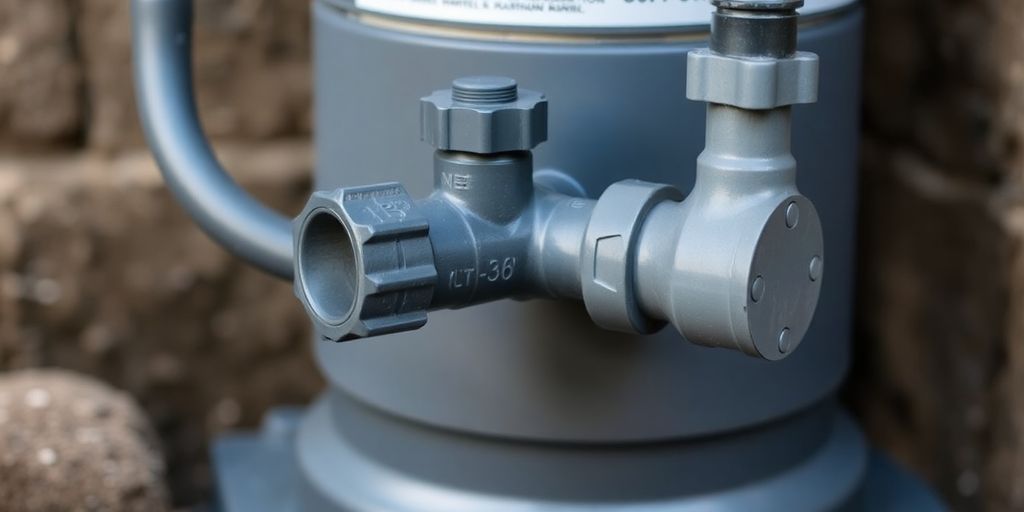
Okay, so you’ve got a sump pump, right? It sits there in that pit, waiting to kick into action and save your basement from turning into an indoor pool. But did you know there’s this unsung hero called a check valve that’s super important? It’s basically a one-way door for water.
A sump pump check valve is a one-way valve installed on the discharge pipe of your sump pump. Its main job? To stop water from flowing back into the sump pit after it’s been pumped out. Without it, the water you just got rid of would rush back, making your pump work harder and possibly fail sooner. Think of it as the bouncer at the door of your sump pump system, making sure nothing sneaks back in.
Alright, let’s break down how this thing actually works. When your sump pump starts pumping, it pushes water up and out through the discharge pipe. The check valve is designed to open with the force of the water, letting it flow away from your house. But here’s the clever part: when the pump stops, gravity wants to pull that water in the pipe right back down. That’s where the check valve steps in. It automatically closes, blocking the water from returning to the sump pit. It’s a simple but effective system. It’s all about preventing backflow and keeping your pump from overworking itself.
Why is preventing backflow such a big deal? Well, imagine your sump pump works hard to empty the pit, then all that water just flows right back in. Your pump would have to start all over again, and again, and again. This is called short cycling, and it’s terrible for your pump’s lifespan. A check valve stops this from happening, which has several benefits:
Ignoring a faulty check valve can lead to increased energy costs, a higher risk of sump pump failure, and potential long-term damage to your home. It’s a small part with a big responsibility, so it’s worth paying attention to.
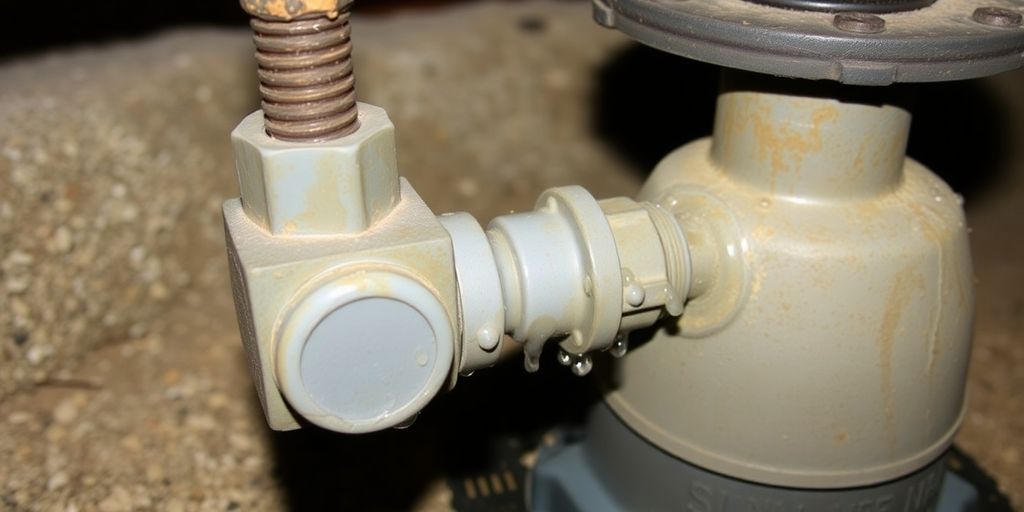
Valve sticking is a frequent problem. Debris such as sediment, small rocks, or even just accumulated grime can get lodged inside the check valve. This prevents the valve from opening or closing properly. When a valve sticks in the open position, it allows backflow, causing the pump to work harder and more often. If it sticks closed, the pump can’t discharge water, leading to potential flooding. Regular inspection and cleaning can help prevent this issue.
Installing a check valve seems simple, but mistakes happen. The most common error is installing the valve backward. Check valves have an arrow indicating the correct flow direction. If installed backward, the valve will block water flow, rendering the sump pump useless. Another issue is using the wrong size or type of valve for your system. Always ensure the valve is compatible with your pump and piping. A professional plumber can ensure correct installation.
Like any mechanical component, check valves degrade over time. Constant use, exposure to water, and the stress of opening and closing can cause wear and tear. Signs of this include:
Replacing a worn-out check valve is a straightforward job for a plumber, and it’s much cheaper than replacing a flooded basement’s worth of belongings. Don’t wait until it fails completely.
It’s a good idea to inspect your check valve at least once a year, or more often if you notice any issues with your sump pump’s performance.
When your sump pump’s check valve isn’t working right, it really messes with how well the pump does its job. Think of it like this: the pump works hard to push water out, but if the check valve is faulty, that water flows right back into the sump pit. This forces the pump to work harder and longer to remove the same amount of water. It’s like running on a treadmill that keeps slowing down – you’re putting in the effort, but not getting the results you expect. This extra work increases energy consumption and can significantly reduce the pump’s overall efficiency. You’ll notice higher electricity bills and a pump that just doesn’t seem to be keeping up, especially during heavy rains.
Short cycling is when your sump pump turns on and off too frequently. A faulty check valve is a major cause of this. Here’s why:
This constant on-off action puts a lot of strain on the motor and other components. It’s like starting and stopping your car repeatedly in a short amount of time – it wears everything out faster. Short cycling not only reduces the lifespan of your sump pump but also increases your energy bills. It’s a vicious cycle that can lead to premature pump failure.
Perhaps the most serious consequence of a faulty check valve is the increased risk of basement flooding. If the valve fails to prevent backflow, the sump pump has to work much harder to keep up with the incoming water. In heavy rain or during a rapid snow melt, the pump might not be able to handle the load, leading to water accumulating in your basement.
A malfunctioning check valve essentially negates the purpose of having a sump pump in the first place. It compromises your home’s defense against water damage, potentially leading to costly repairs and the headache of dealing with a flooded basement. Don’t ignore the signs of a failing check valve; addressing it promptly can save you a lot of trouble down the road.
It’s important to catch a failing check valve early to prevent bigger problems with your sump pump system. Here’s what to look for:
One of the most obvious signs of a bad check valve is water flowing back into the sump pit after the pump has shut off. This backflow indicates that the valve isn’t properly preventing water from returning down the discharge pipe. You might notice the water level in the pit rising and falling more than it should, even when there hasn’t been recent rain or snow melt.
Strange sounds coming from the discharge pipe can also point to check valve trouble. These noises might include:
If your sump pump is turning on and off more often than usual, it could be due to a faulty check valve. This is often referred to as “short cycling”.
When the check valve fails, the water that was pumped out flows back into the sump pit. This causes the pump to turn on again shortly after it has just finished pumping. This frequent cycling can wear out your pump faster and increase your energy bill.
To summarize, keep an eye out for these signs. Addressing a check valve issue early can save you from bigger headaches down the road. If you notice any of these problems, it’s a good idea to call a professional like My Calgary Plumber to take a look.
Alright, let’s get our hands a little dirty. Start with a good, old-fashioned visual check. Look at the check valve itself. Is it cracked? Rusty? Does it look like it’s seen better days? Check the connections. Are they tight? Any signs of leaks or mineral buildup? Sometimes, it’s the simple things that scream the loudest. Make sure the arrow indicating flow direction is pointing the right way; you’d be surprised how often this gets missed. A quick look can save you a lot of trouble.
Time to see if that valve is doing its job. Here’s a simple test: After the sump pump runs, carefully observe the discharge pipe. If you see water flowing back into the sump pit, that’s a major red flag. The check valve is supposed to prevent this. You might also hear gurgling sounds as the water flows backward. This test is best done right after a heavy rain or when you know the sump pump has recently been active. If you’re unsure, manually fill the sump pit with water and watch what happens after the pump shuts off.
Believe it or not, how the check valve is installed matters a lot. Is it easily accessible for maintenance? Is it installed vertically, as it should be? Sometimes, a poorly positioned valve can cause problems. Also, consider the distance from the pump. If it’s too far away, it might not be as effective. Here’s a quick checklist:
A properly installed check valve not only prevents backflow but also reduces strain on your sump pump, extending its lifespan. Ignoring the installation position can lead to premature wear and tear, costing you more in the long run.
If you’re not comfortable doing these checks yourself, don’t hesitate to call us at My Calgary Plumber. We’re here to help!
So, you’ve identified a problem with your sump pump’s check valve. What’s next? While some homeowners might be tempted to DIY a fix, there are definitely situations where calling in a professional is the smartest move. Let’s explore when it’s time to bring in the experts and how to choose the right solutions.
Knowing when to call a plumber can save you from bigger headaches down the road. Here’s a simple guide:
Trying to fix something yourself when you’re not sure what you’re doing can sometimes make the problem worse. A professional plumber has the experience and tools to get it right the first time.
Think of your sump pump like your car – it needs regular maintenance to keep running smoothly. Here’s why:
Regular maintenance is key to preventing costly repairs and ensuring your sump pump is always ready to protect your basement.
If your check valve needs replacing, it’s important to choose the right one. Here’s what to consider:
Ignoring a faulty check valve can really hit your wallet. When the check valve fails, water flows back into the sump pit after each pump cycle. This forces your sump pump to work harder and more often, significantly increasing your energy consumption. You’ll see it reflected in higher utility bills, month after month. It’s like paying for the same water to be pumped out multiple times.
A failing check valve puts a lot of extra stress on your sump pump. Short cycling, caused by water flowing back, makes the pump turn on and off more frequently than it should. This constant starting and stopping wears out the motor and other components much faster. Eventually, this added strain can lead to premature pump failure, leaving you with a flooded basement and a costly replacement.
The most serious consequence of ignoring a faulty check valve is the potential for significant water damage to your home. If the sump pump fails due to the check valve issue, or if the backflow becomes too much for the pump to handle, your basement could flood. This can lead to structural damage, mold growth, ruined belongings, and expensive repairs. Addressing the check valve problem early can prevent these long-term headaches and protect your investment.
Here’s a breakdown of potential costs:
It’s a domino effect that starts with a small, fixable problem and ends with major damage to your home and bank account. Don’t wait until it’s too late. Call My Calgary Plumber today!
So, can a faulty check valve cause your sump pump to shut down? Absolutely. If that little valve isn’t working right, it can lead to all sorts of headaches, like backflow and constant cycling of your pump. This not only wastes energy but can also wear out your pump faster than you’d like. If you notice signs like water returning to the sump pit or strange noises, it’s time to take a closer look at that check valve. Don’t wait until it’s too late—getting it checked out can save you from bigger problems down the road. If you’re unsure, reach out to a professional. They can help you keep your sump pump running smoothly and your basement dry.
A sump pump check valve is a one-way valve that stops water from flowing back into the sump pit after it has been pumped out. This helps keep your basement dry.
You might notice water flowing back into the sump pit, strange noises from the discharge pipe, or your sump pump running more often than usual.
A broken check valve can make your sump pump work harder, leading to higher energy bills, frequent pump failures, and possible flooding in your basement.
Replacing a check valve can be simple if you follow the instructions. However, if you’re unsure, it’s best to call a plumber for help.
It’s a good idea to inspect your sump pump and check valve at least once a year to ensure they are working properly.
If you think your check valve is faulty, you should inspect it for any visible issues or call a plumbing expert to diagnose and fix the problem.